Dar Ahlam Review: Is It Worth It?
Skoura, Morocco OZZ
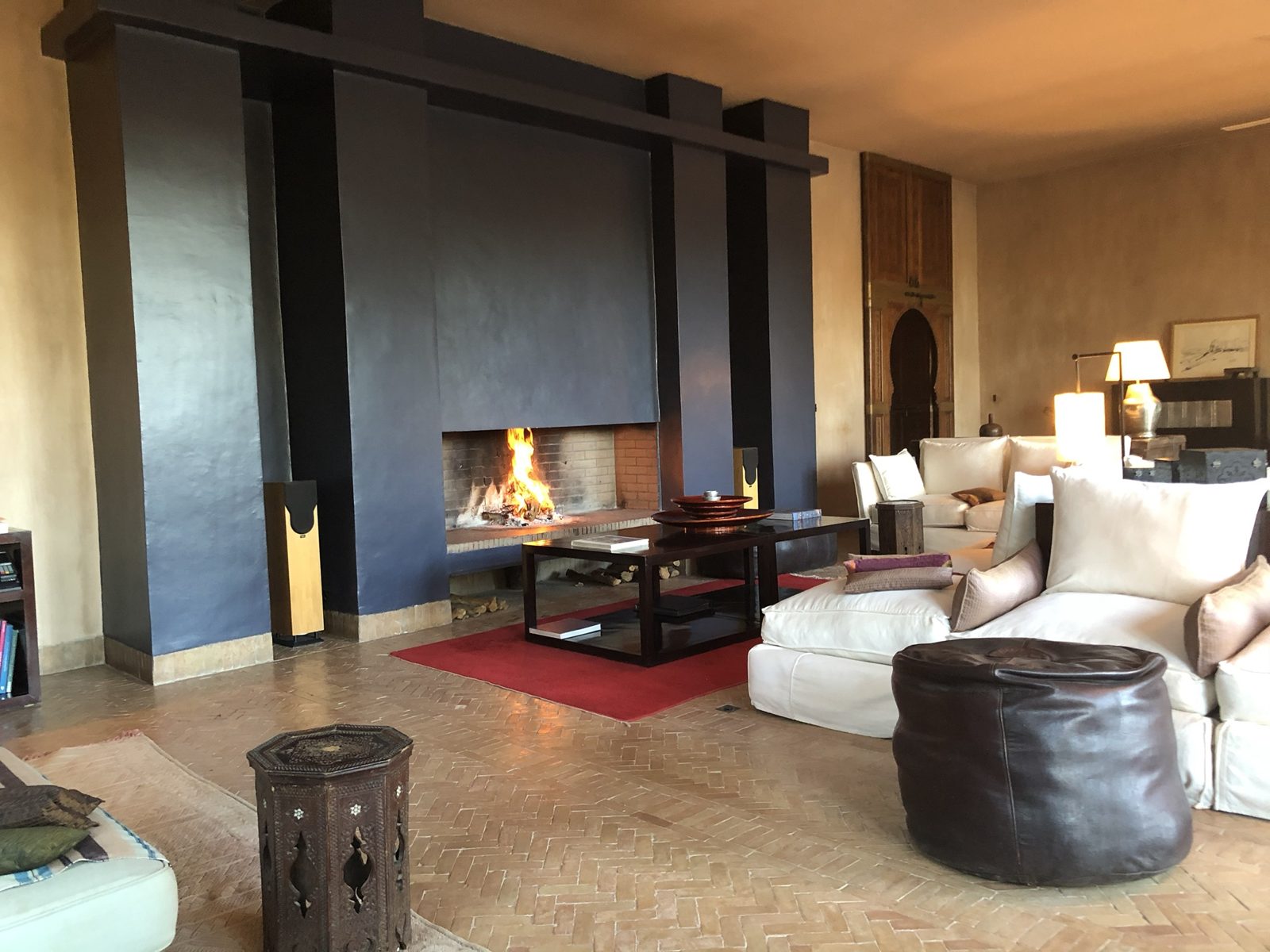
The short version: I’ve stayed in a lot of hotels, and I’ve never had one to myself before. Dar Ahlam is a 200-year-old kasbah in the Skoura palm grove, five hours from Marrakech over the Atlas Mountains. Fourteen rooms, no reception, no menus, art everywhere, and I never saw another guest. It doesn’t feel like a hotel. It feels like a true escape from daily life, in a private castle where the staff appear with the next thing and then disappear. Around $2,450 a night all-inclusive today, plus the drive, but for one night on a Morocco trip, I think it’s worth it.
I stayed at Dar Ahlam for one night, December 18 to 19, 2019, as part of La Mamounia’s Desert Experience package, which they organized from Marrakech, private car included. I paid for it myself, and nothing was comped. This was almost seven years ago, so prices have moved; I’ve used today’s rate below. One night isn’t much to score a hotel on, but this is the kind of place one night tells you a lot about.
Pros
- Feels like a private desert castle, not a hotel
- No menus. Meals just appear, in candlelit rooms, and the food is good
- The drive over the Atlas is an experience in itself
- A maze of art, balconies and little corners to explore
- Attentive service that stays out of sight
Cons
- Around $2,450 a night today, and five hours each way from Marrakech
- It’s far, and if it snows in the pass the road closes. That said, the long desert journey is part of the point
- Light on amenities, by design. No gym, and the pool could have been better kept when I went
- Quiet, dark and candlelit. For some people it might feel a touch spooky
Getting there
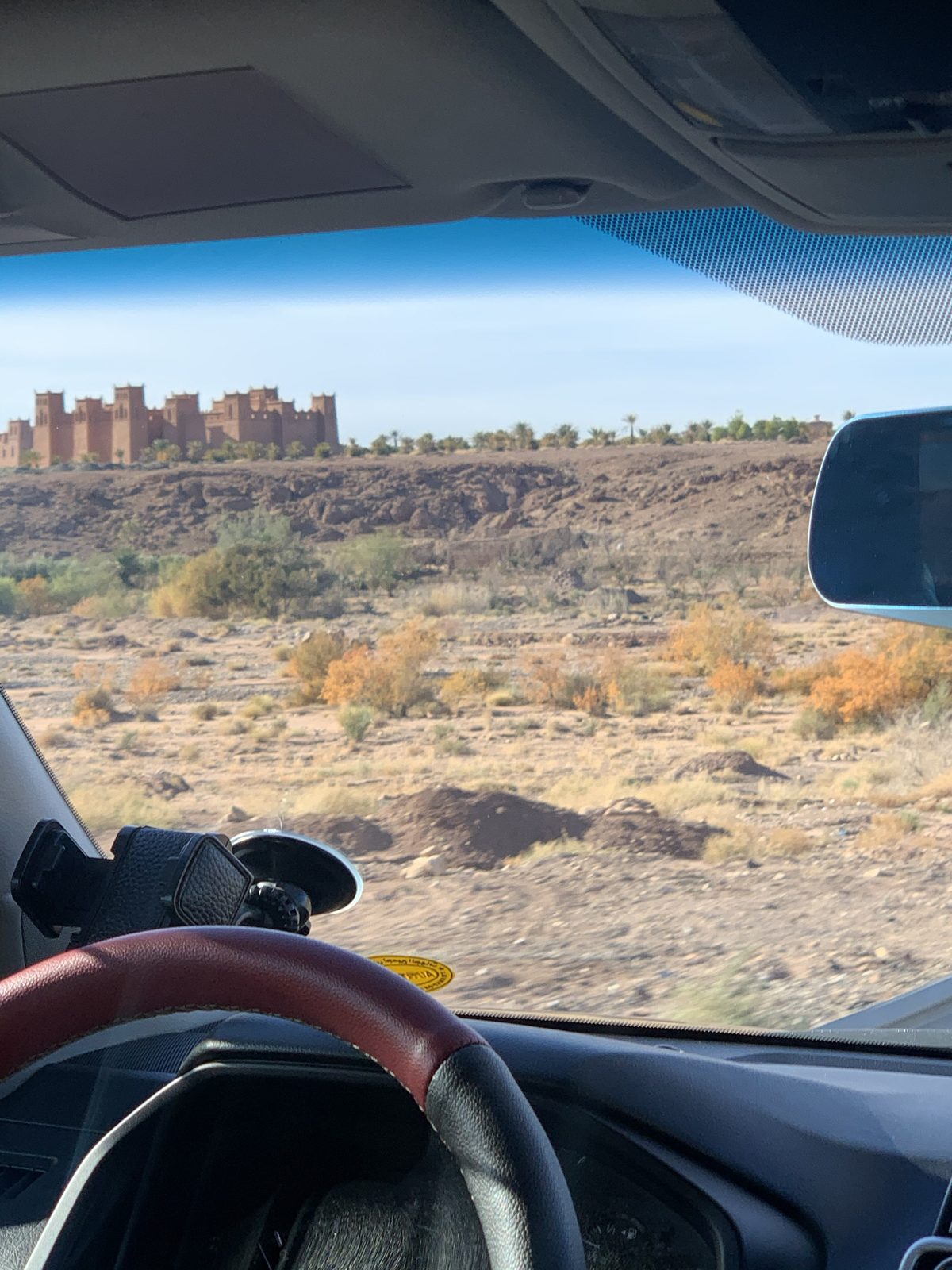
You leave Marrakech in the morning and head for the mountains. The road climbs through the Atlas, switchback after switchback, and at the top there’s snow on the peaks. Then you drop down the other side and the country changes: villages, red earth, dry riverbeds, the odd kasbah on a hill. Parts of it look like Tatooine from Star Wars. The whole day feels like a movie.
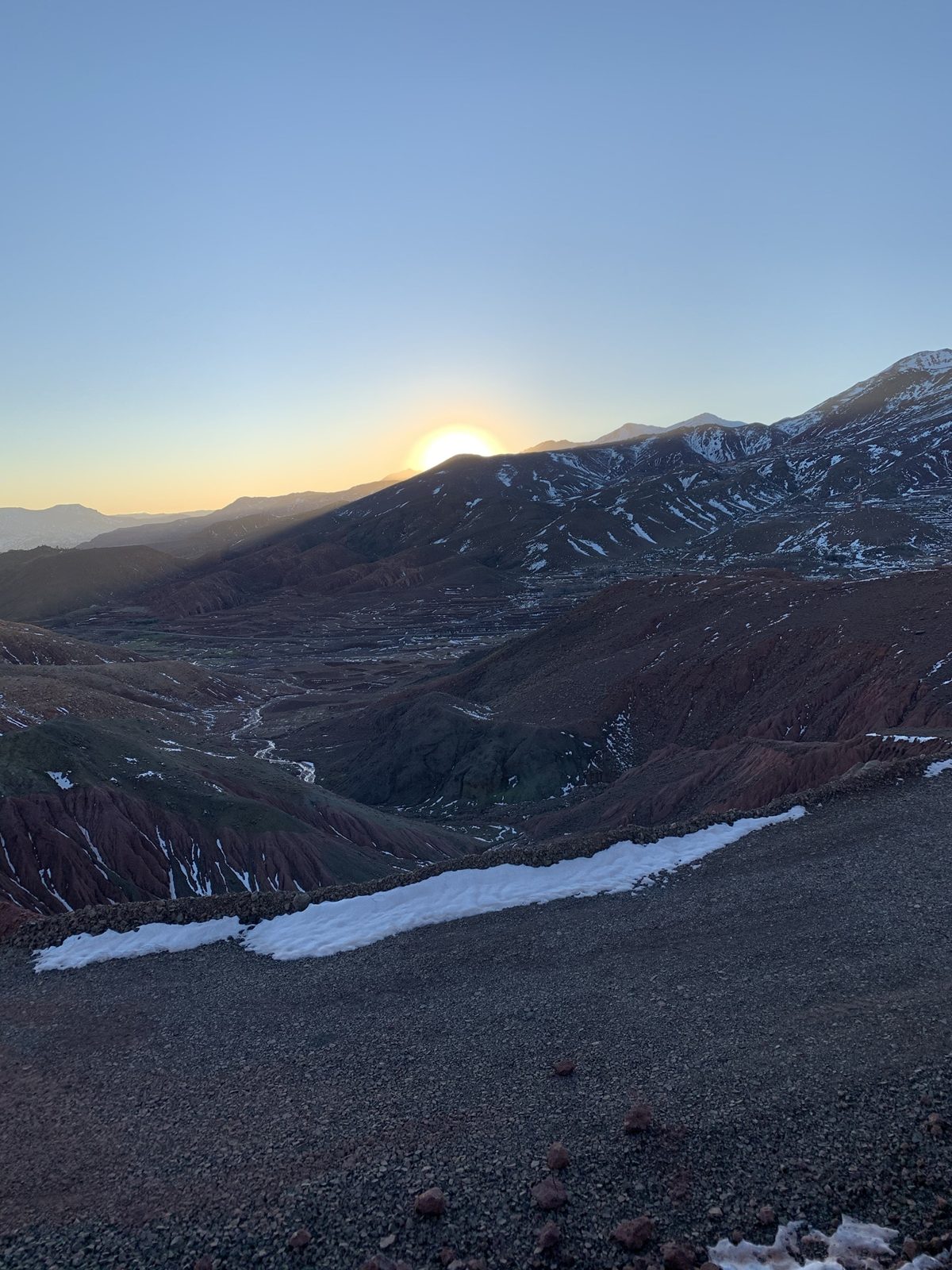
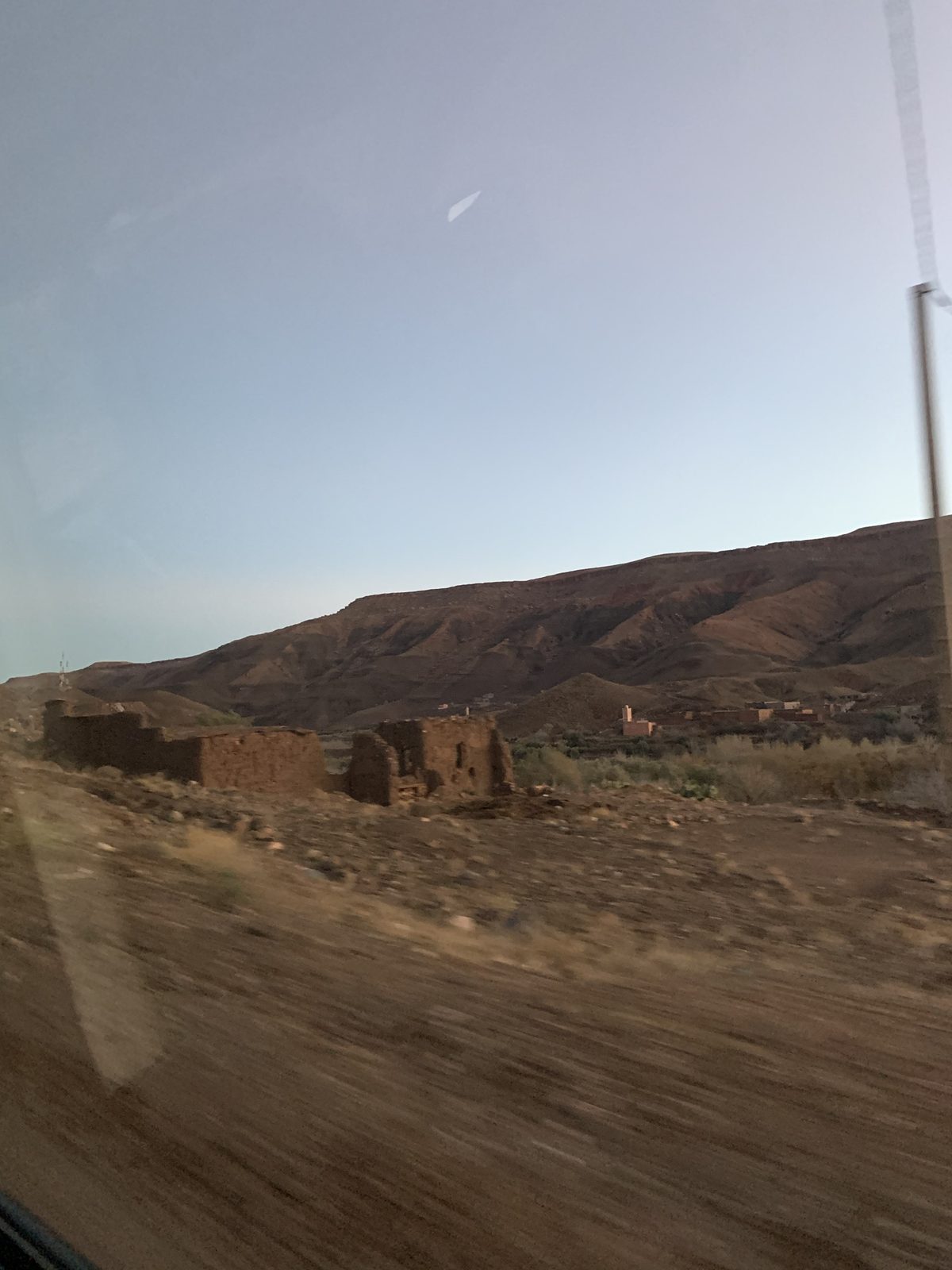
Because I booked it through La Mamounia, the car and driver were arranged, and everything was smooth. The best part is that it’s flexible. Stop as much as you want, take pictures, walk around, speed up, slow down. We pulled over at a roadside place for a quick bite and kept going. On paper it’s five hours. It doesn’t feel like it, because the day is the trip.
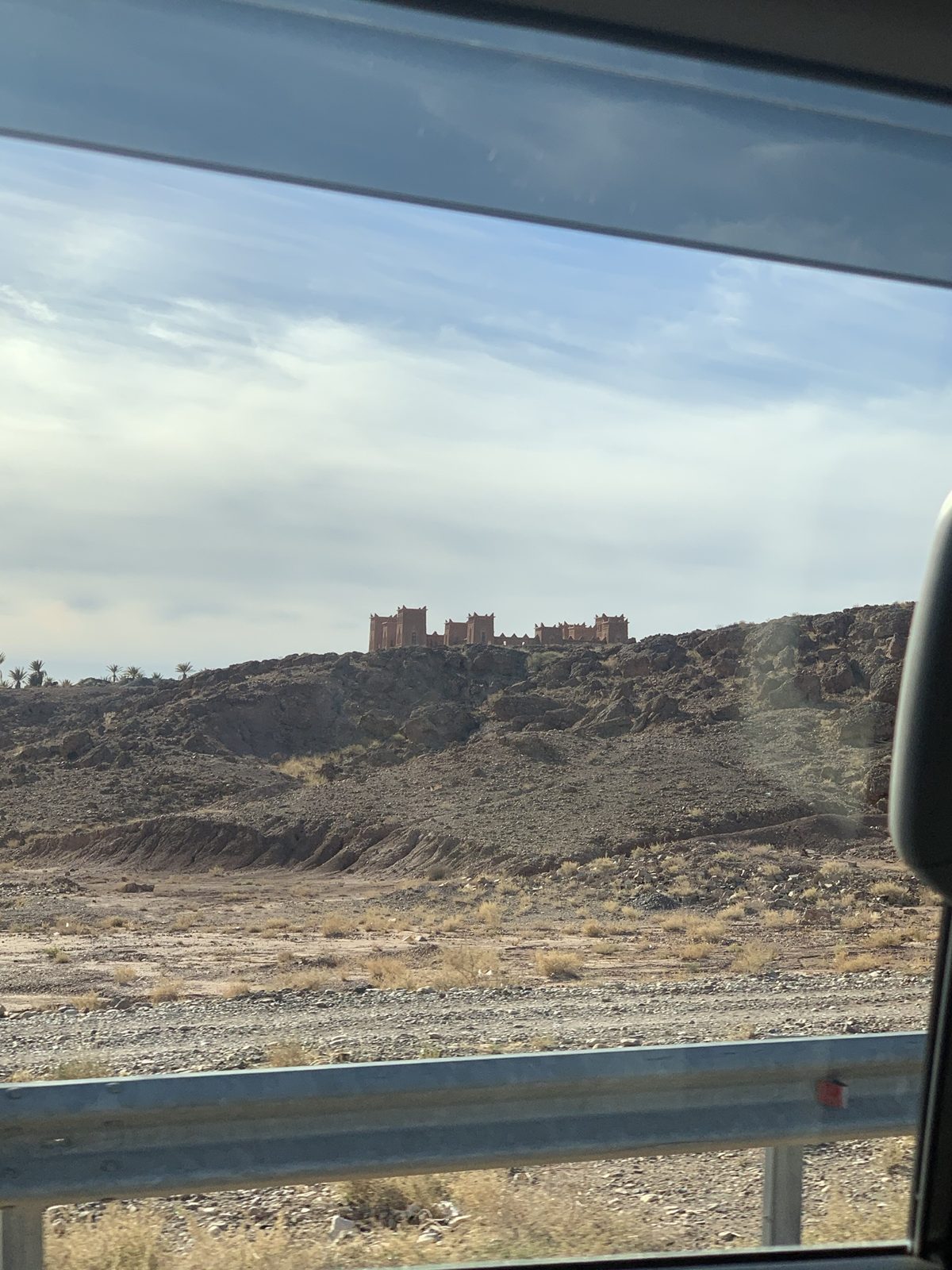
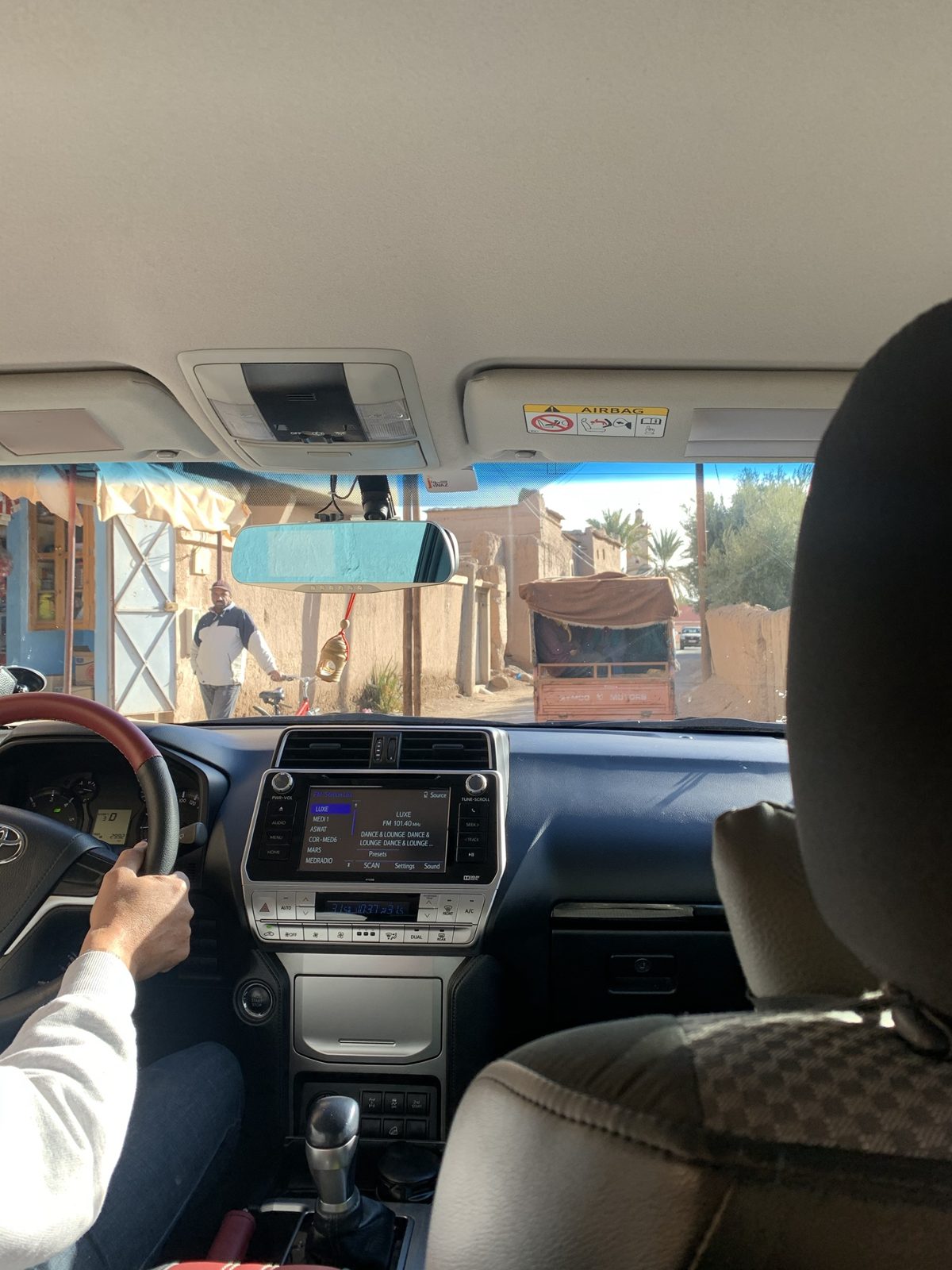
One thing to know: when it snows in the Atlas, the road closes and you can’t get in or out. The alternative is a helicopter, which was 79,500 MAD, about $8,000, when I went. I didn’t take one, and I wouldn’t. The journey is the point.
Arriving
You come in at dusk, through the gate, and the outside world stops. Dar Ahlam is a 200-year-old rammed-earth kasbah that Thierry Teyssier, a French theater producer turned hotelier, took apart and rebuilt by hand. There are only 14 rooms, no reception, no front desk. Someone just walks you in. I never saw another guest the whole time I was there, and it felt like the place was mine.
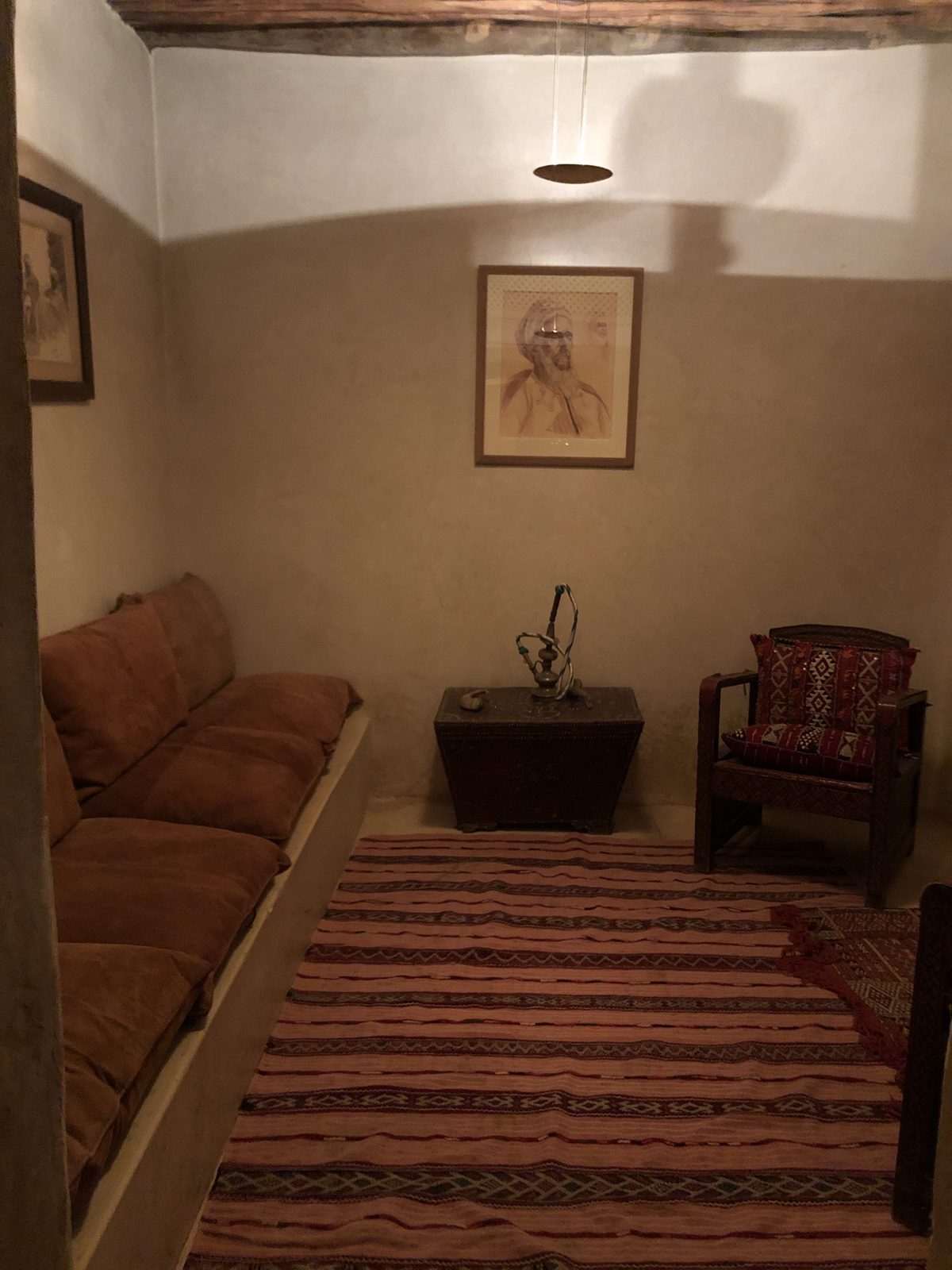
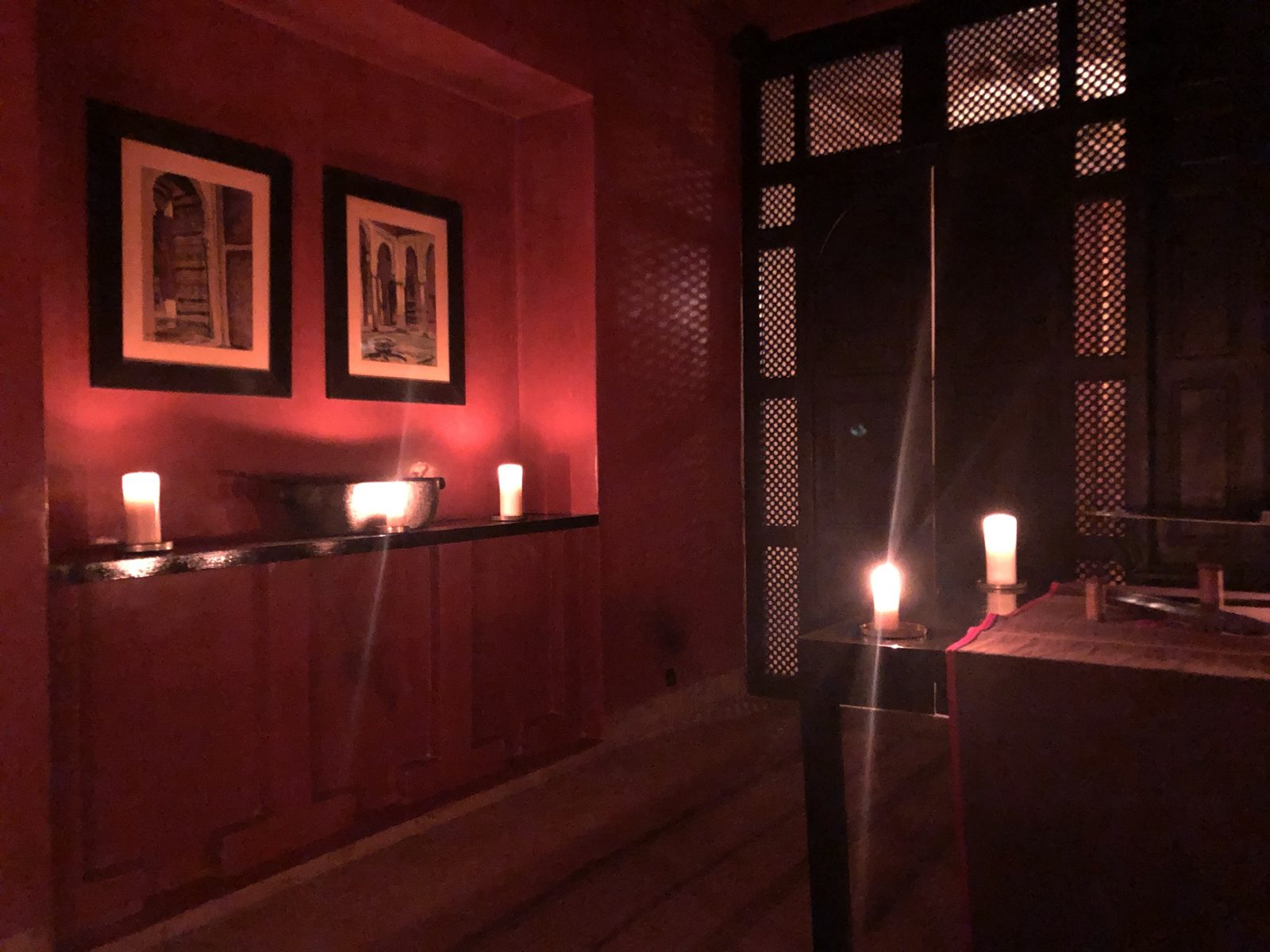
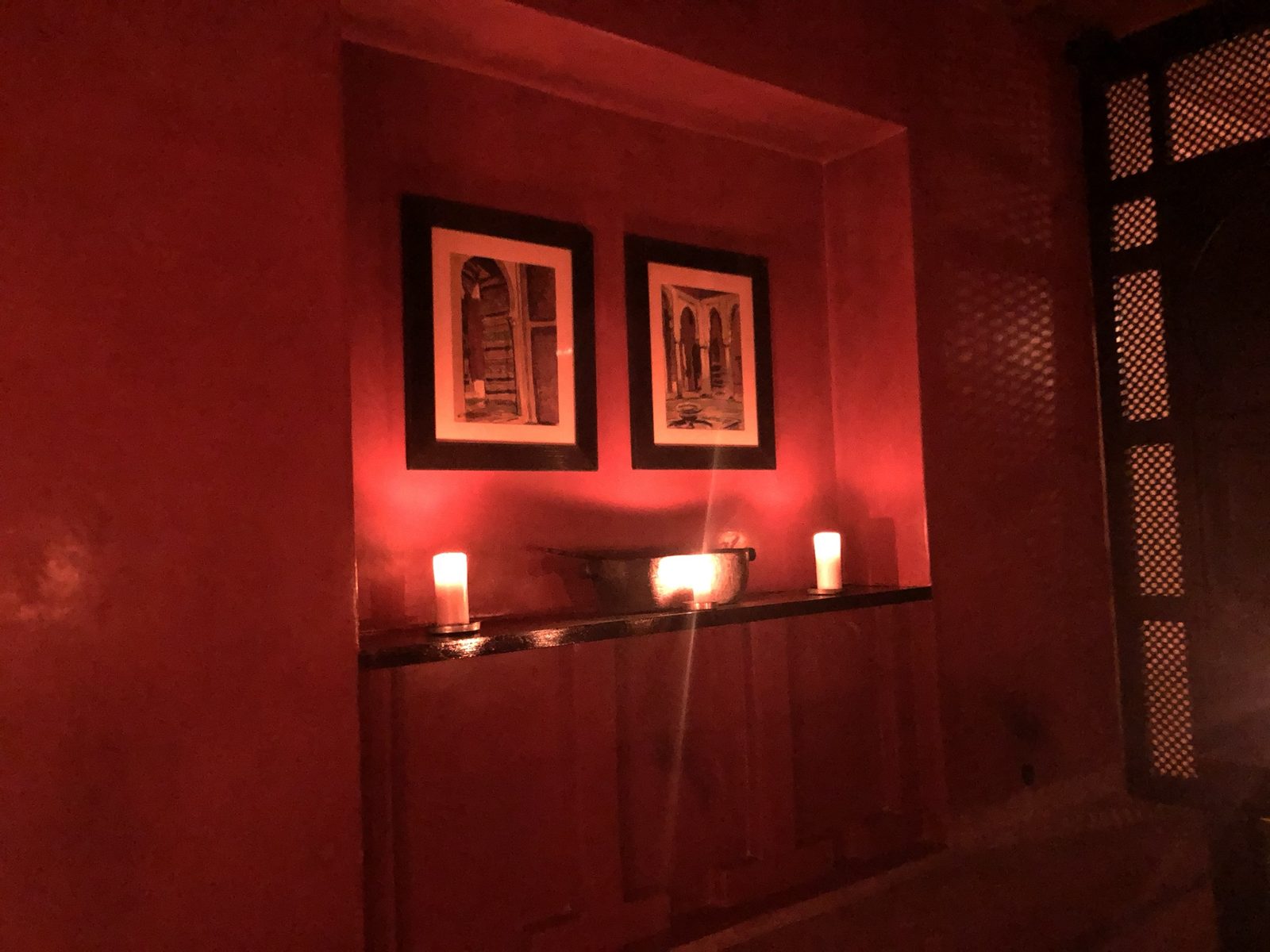
The French influence is everywhere, in the art and in the way it’s run, and once you’re inside it feels less like checking in and more like being let into someone’s private home. Then you notice the art. The hotel is a winding maze of it, and the pieces I remember are the horses: life-size wooden horses standing in the hallways, worn and painted, traditional Moroccan folk craftsmanship. In Morocco the horse means prestige, strength and freedom, which is about right for wandering a kasbah on your own. There are framed prints in the red rooms, carpets, huge studded doors, and things in corners you only notice the second time past.
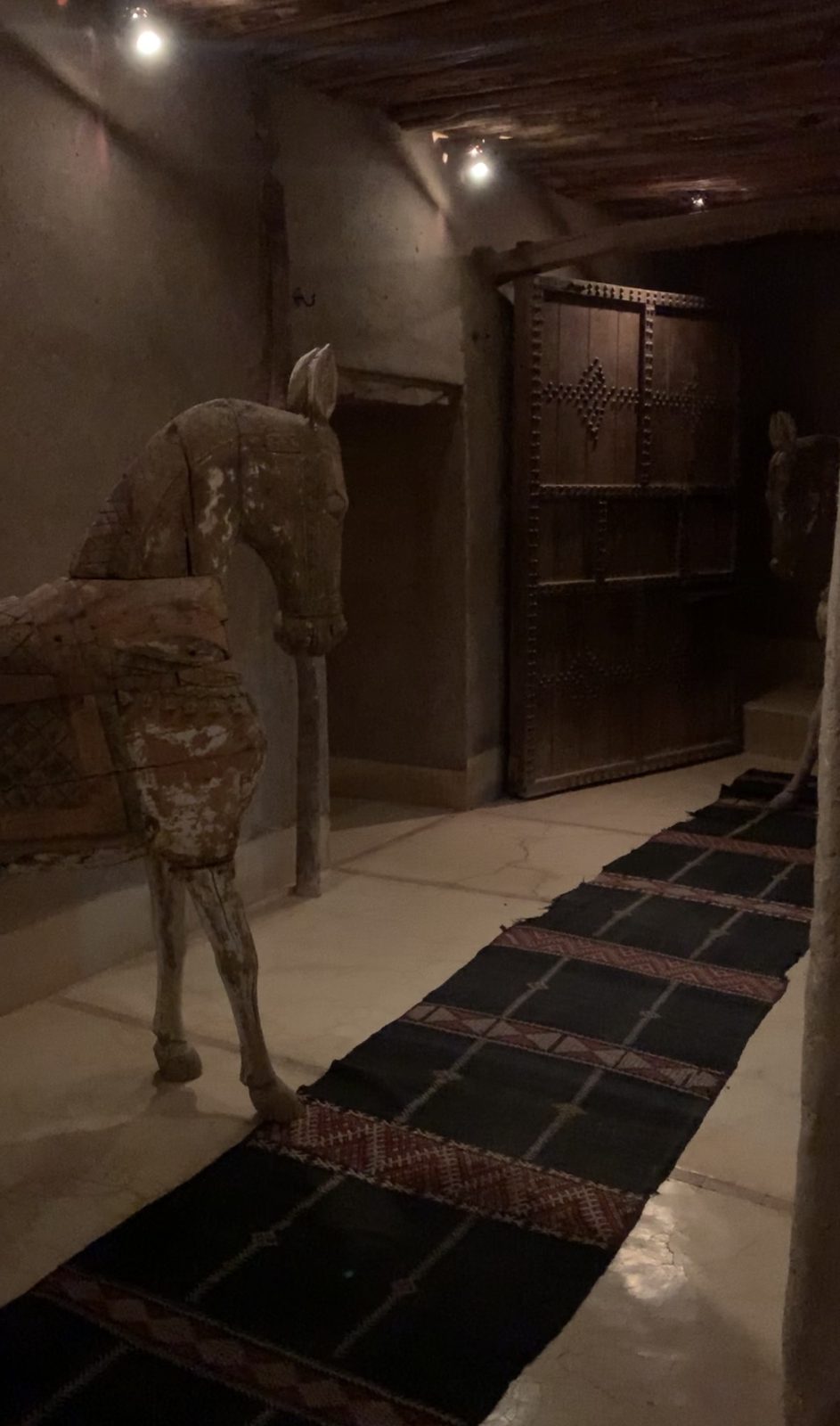
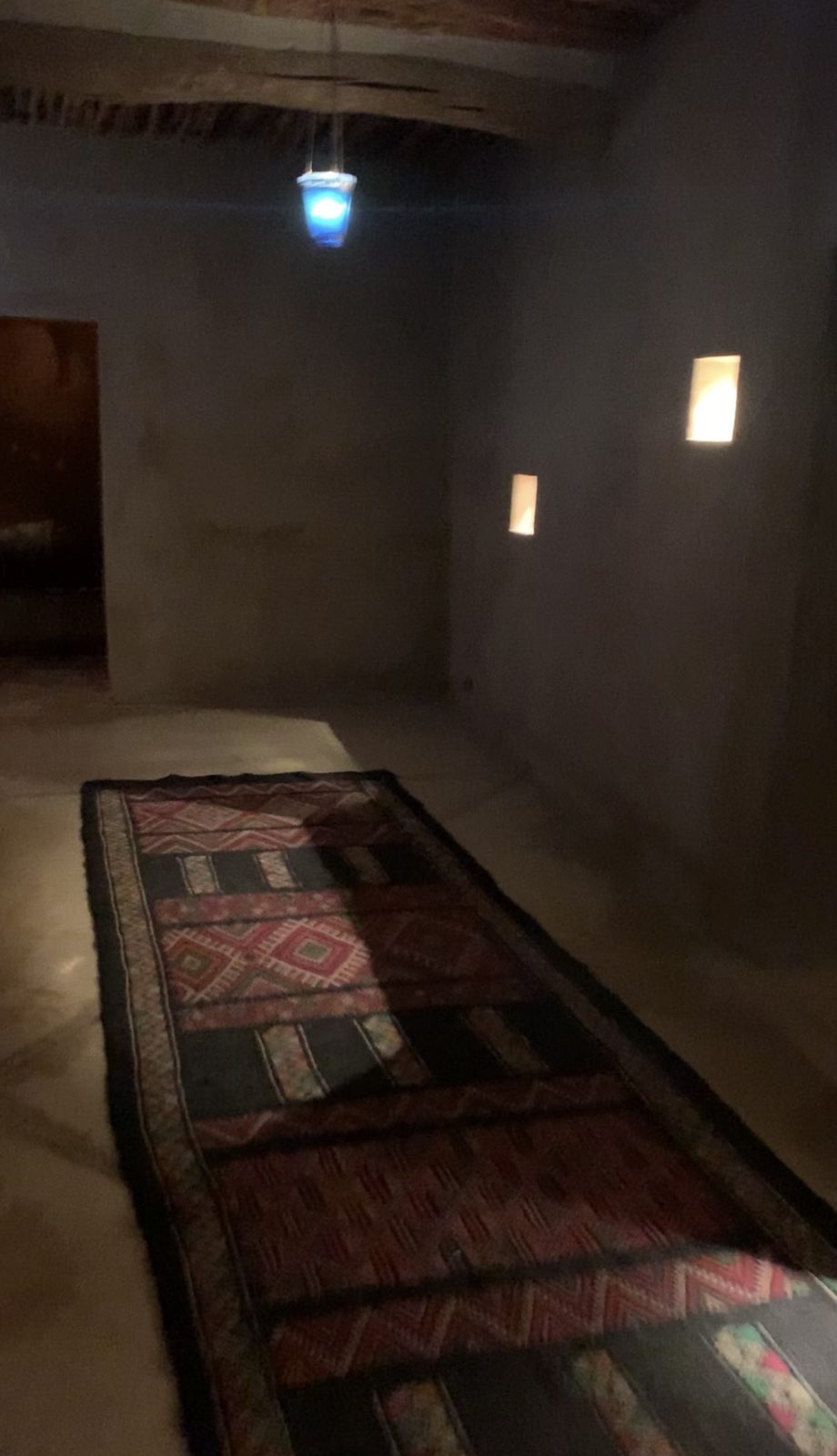
The room: 8.5 out of 10
I had a standard suite, and it’s not laid out like a hotel room. You go in, walk down a hallway, and the bedroom is at the end with the bathroom beyond. There’s a sitting area with a sofa in reddish tones, and the bed is lit with candles, so the whole thing is dim. It feels like a French noir film.
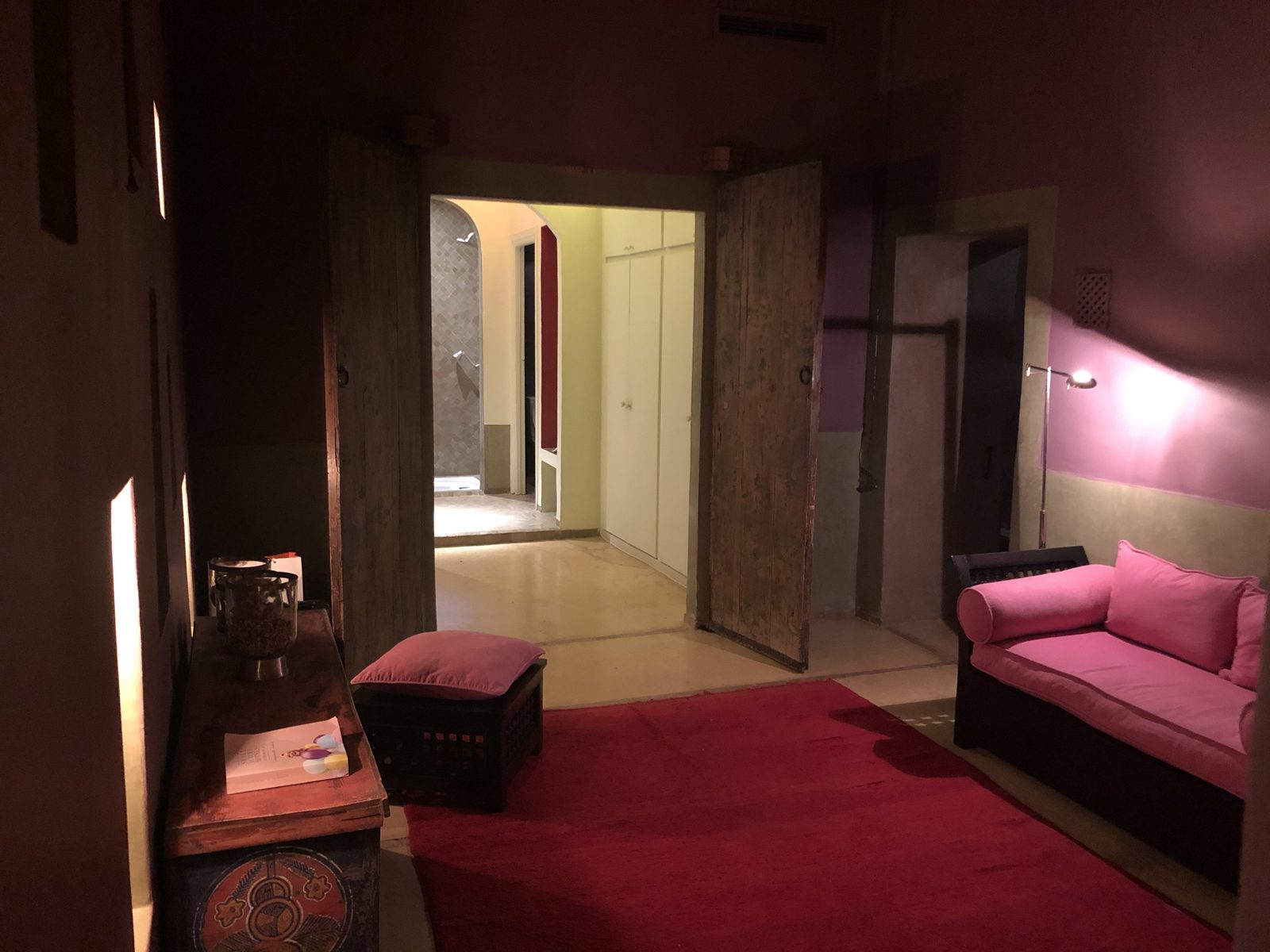
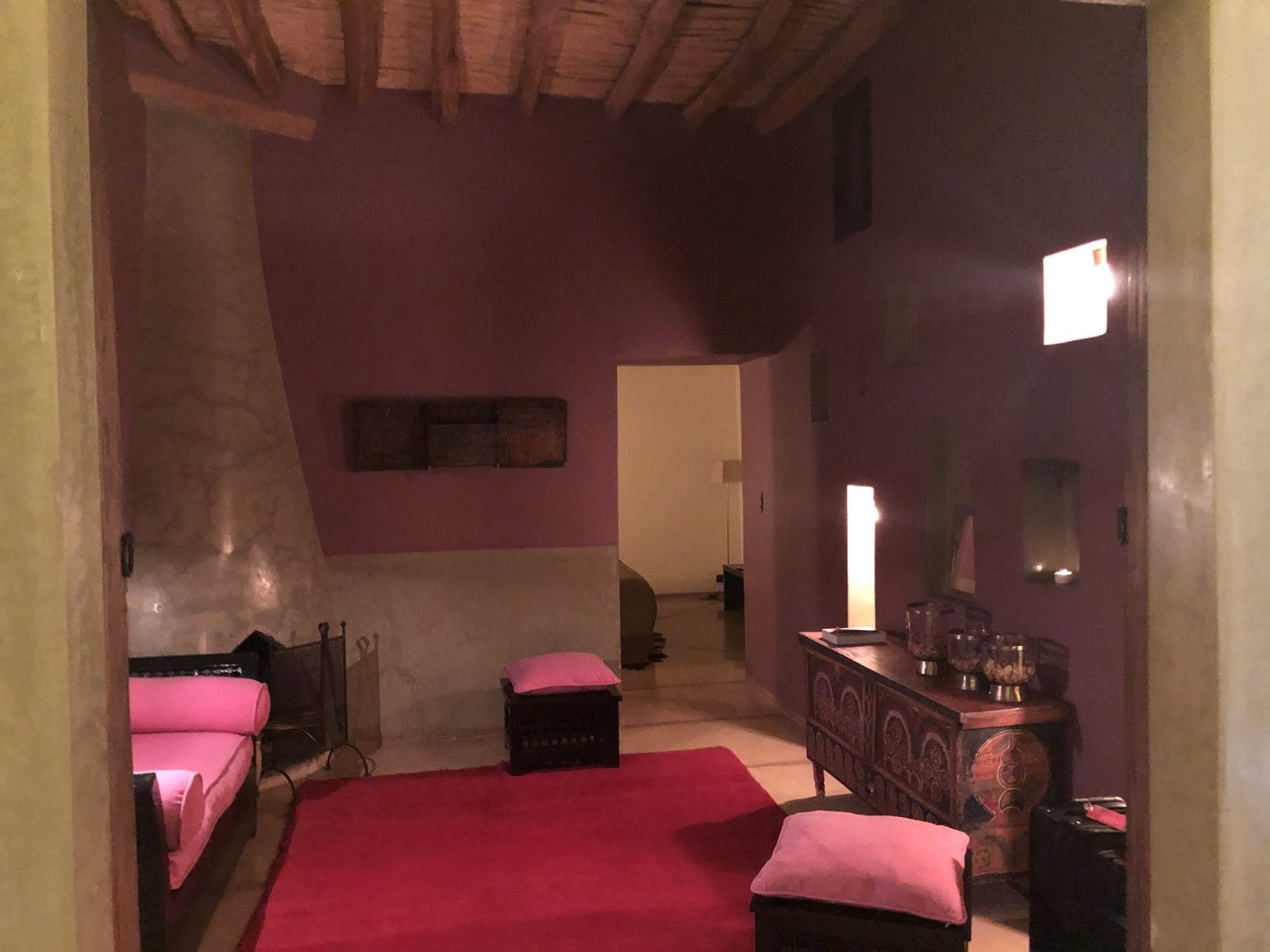
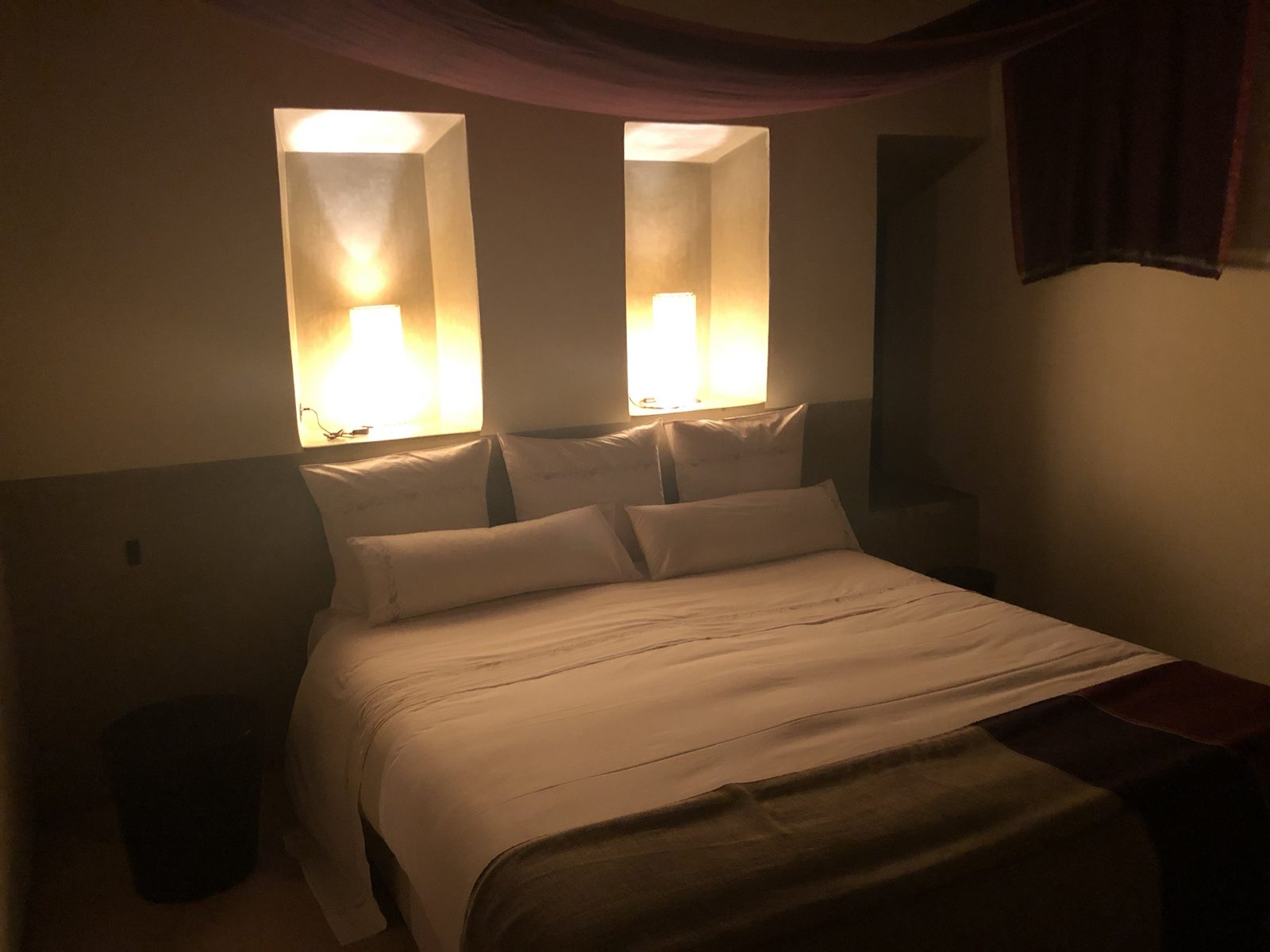
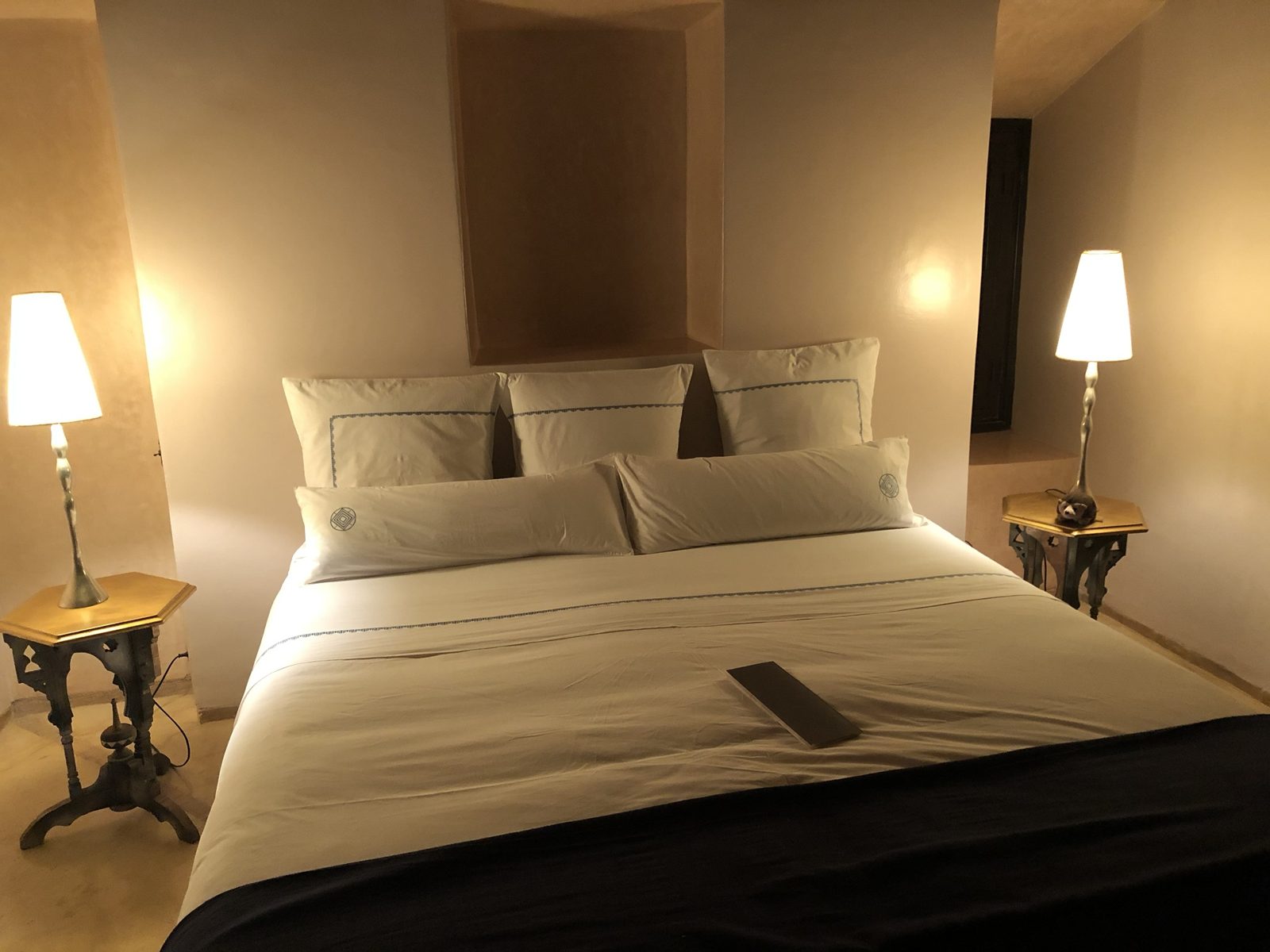
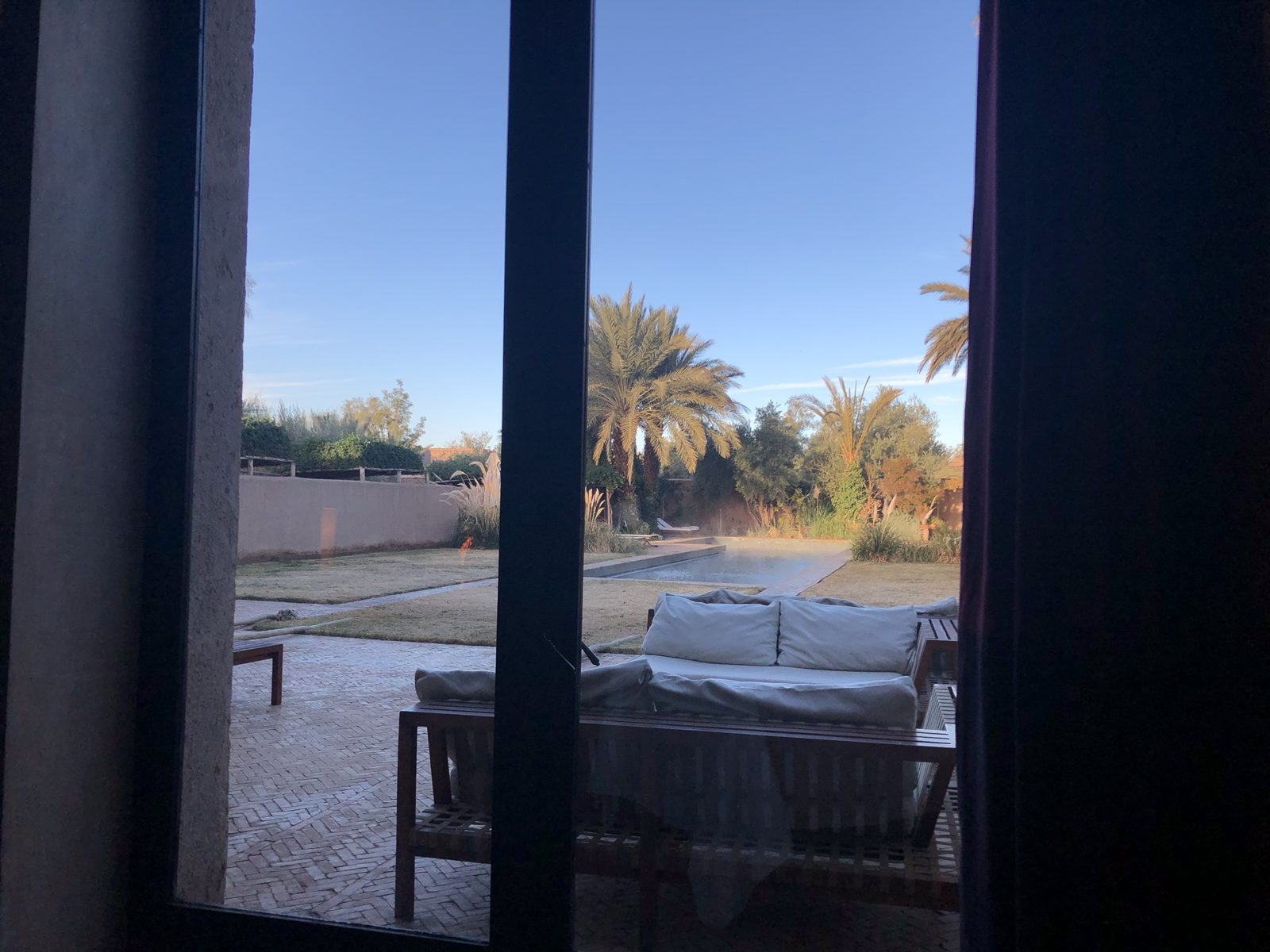
Tall, dark-framed glass French doors open onto a terrace with palm trees and outdoor seating, which gives it an indoor-outdoor feel. The room is big, incredibly quiet, and the walls, the carpets and the Moroccan art make you feel like you’re in the desert, not in a hotel chain. It wasn’t cold, even in December.
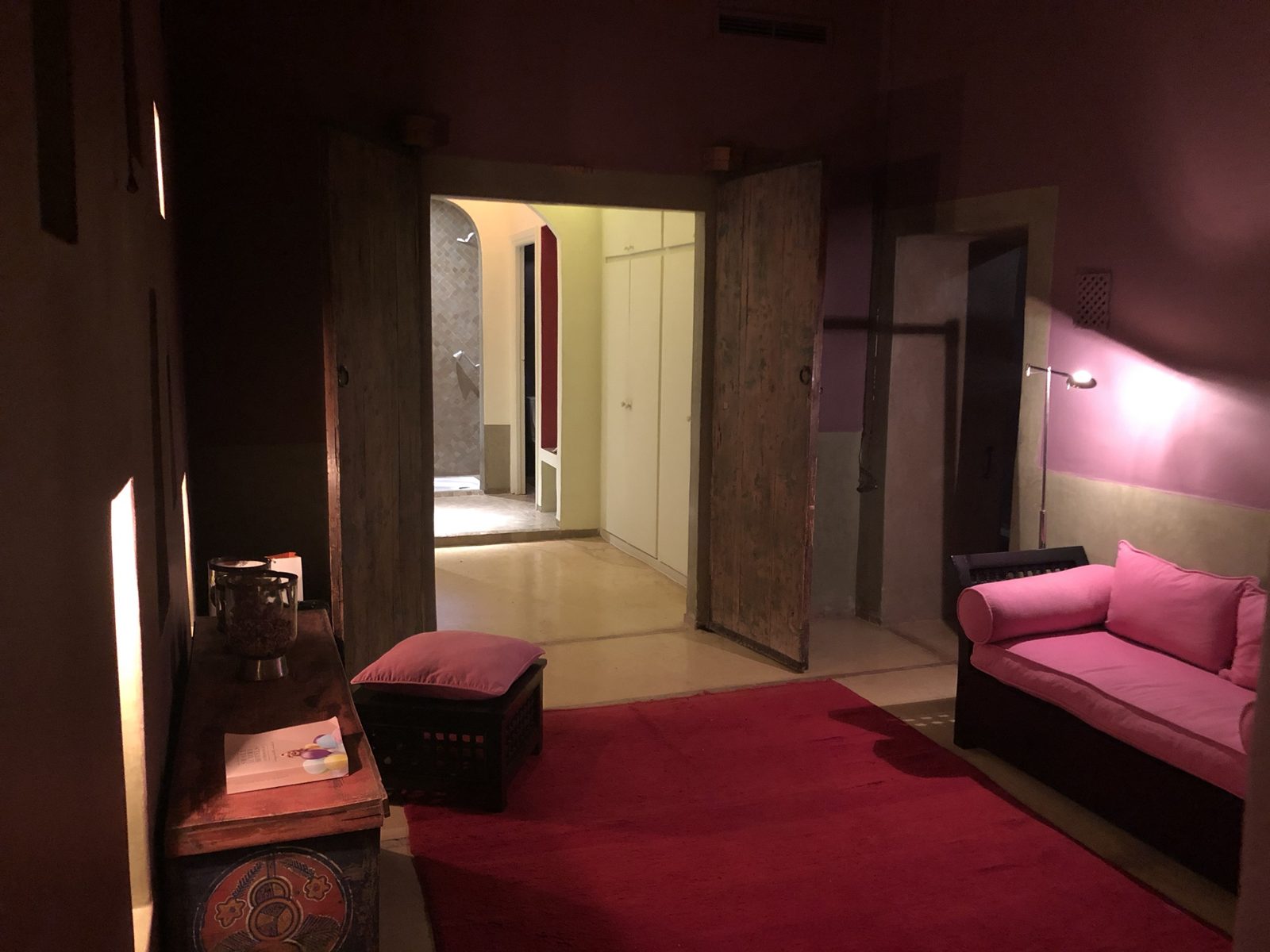
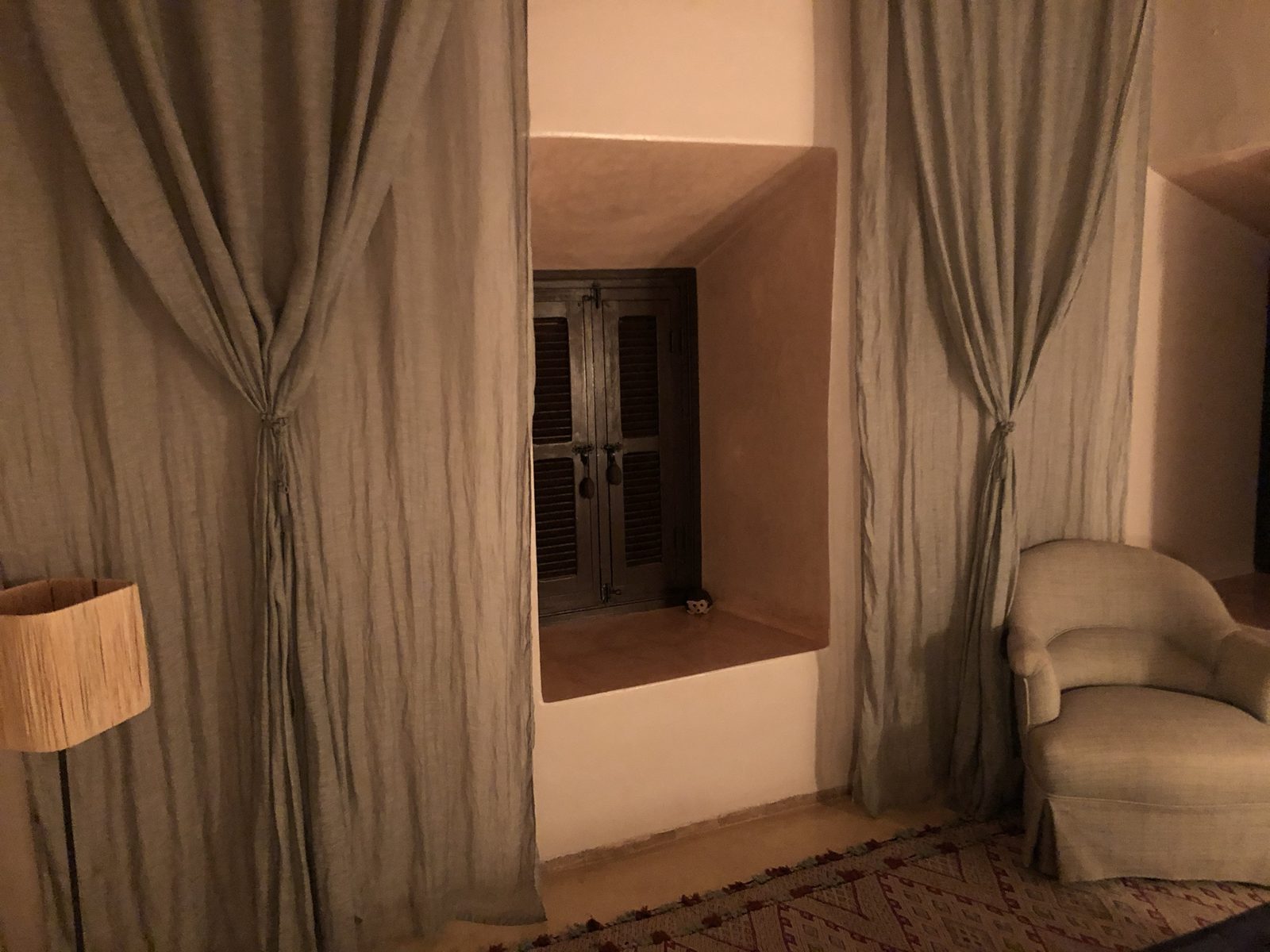
It’s not modern, and that’s the point. It feels like a traditional kasbah room, dark and candlelit by design. I loved it. If you want a bright, modern room with a big TV, this isn’t that.
The setting: 9.5 out of 10
Incredible, and very memorable. The kasbah is 200 years old but doesn’t feel its age, because everything is kept so well. There are little balconies with a cushion underneath so you can sit and look out, and corners you only find by wandering.
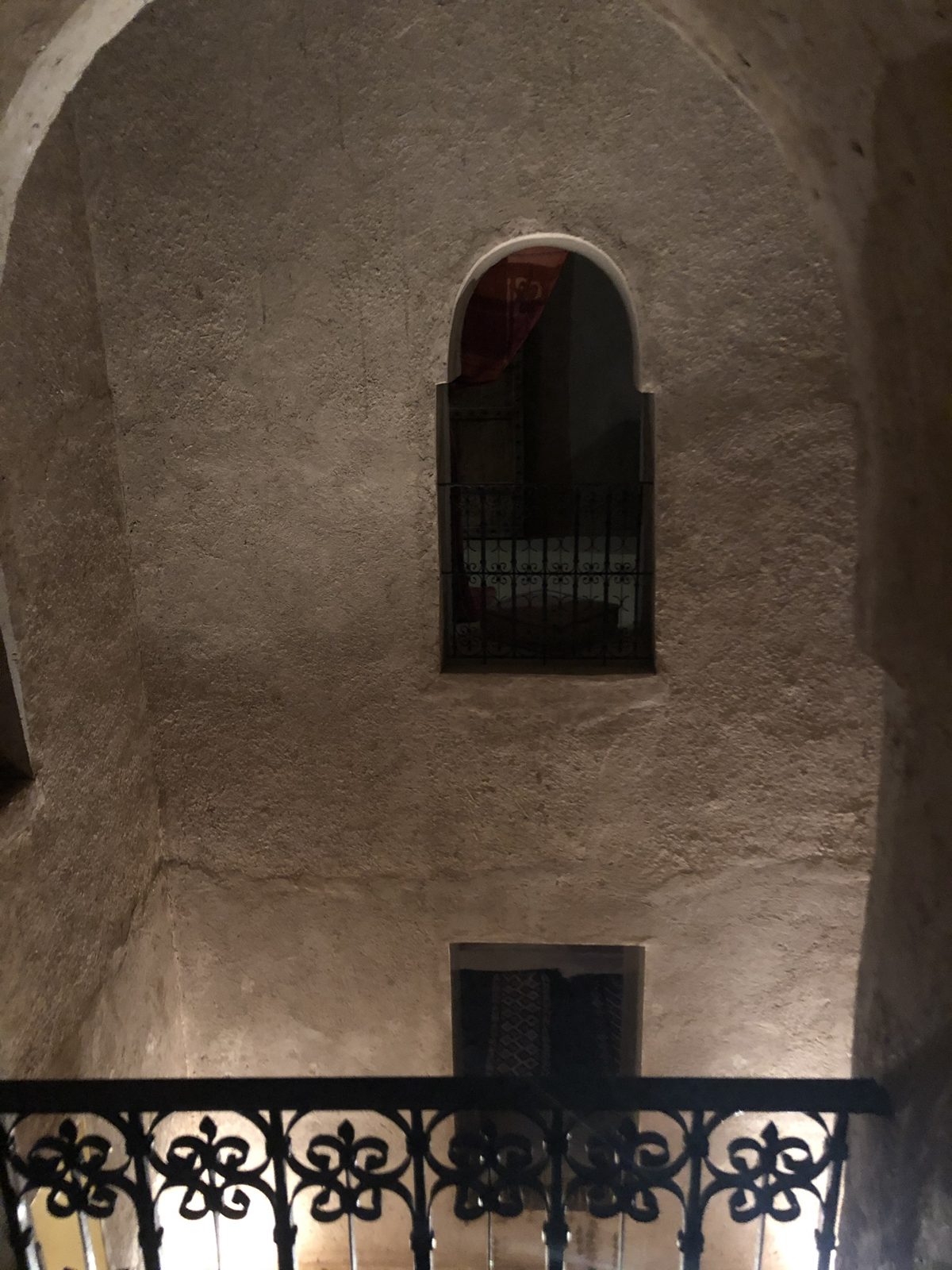
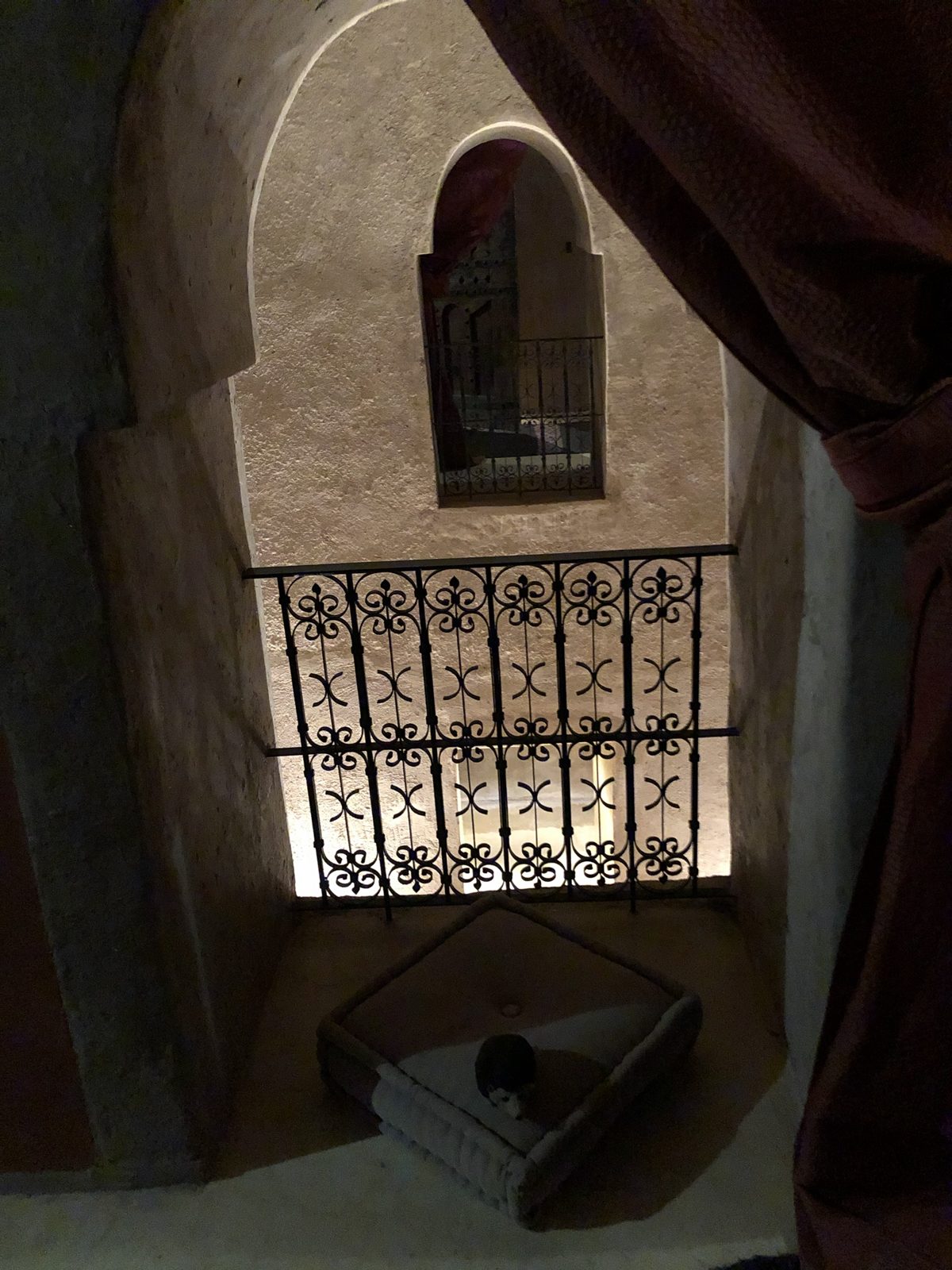
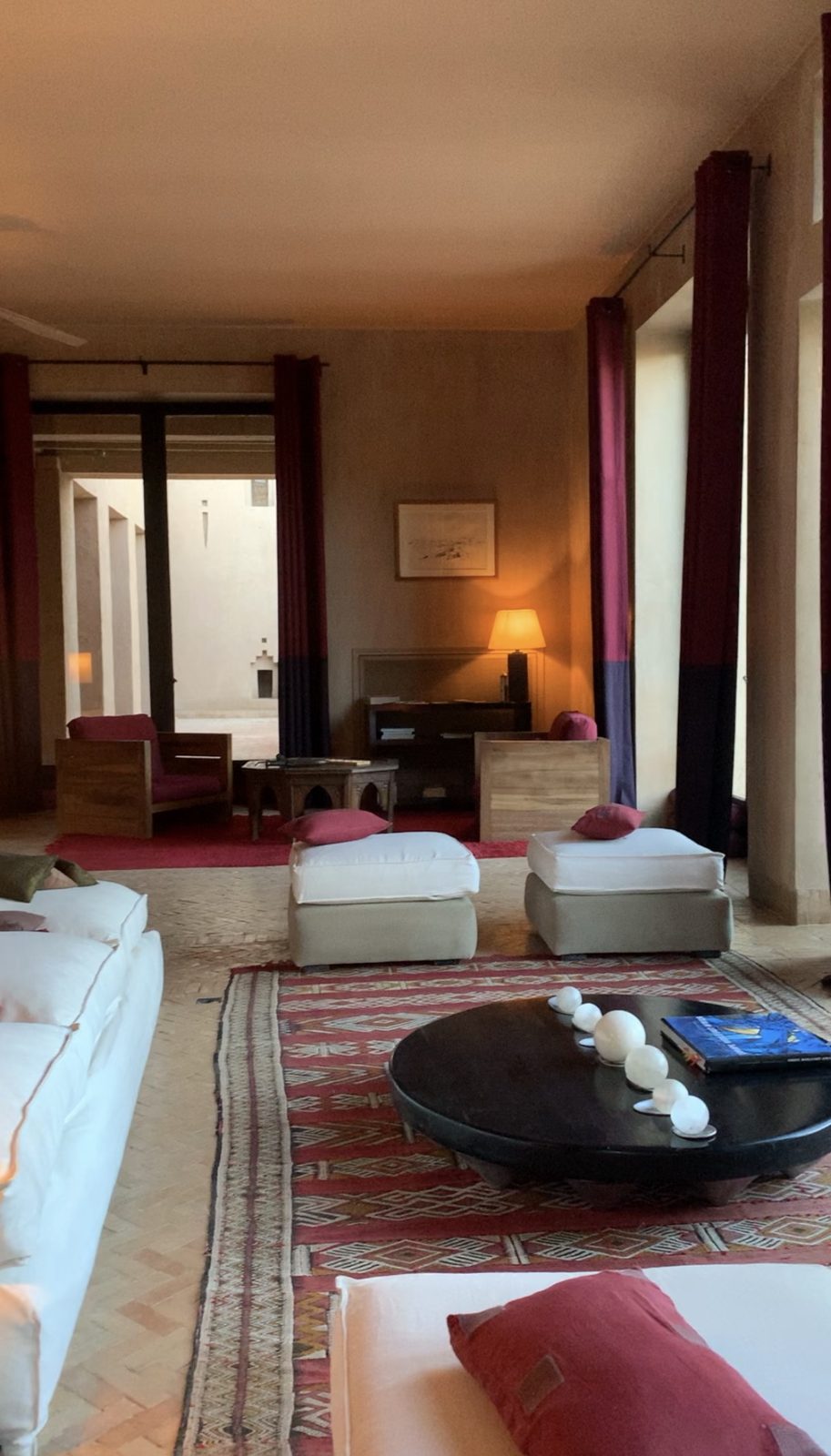
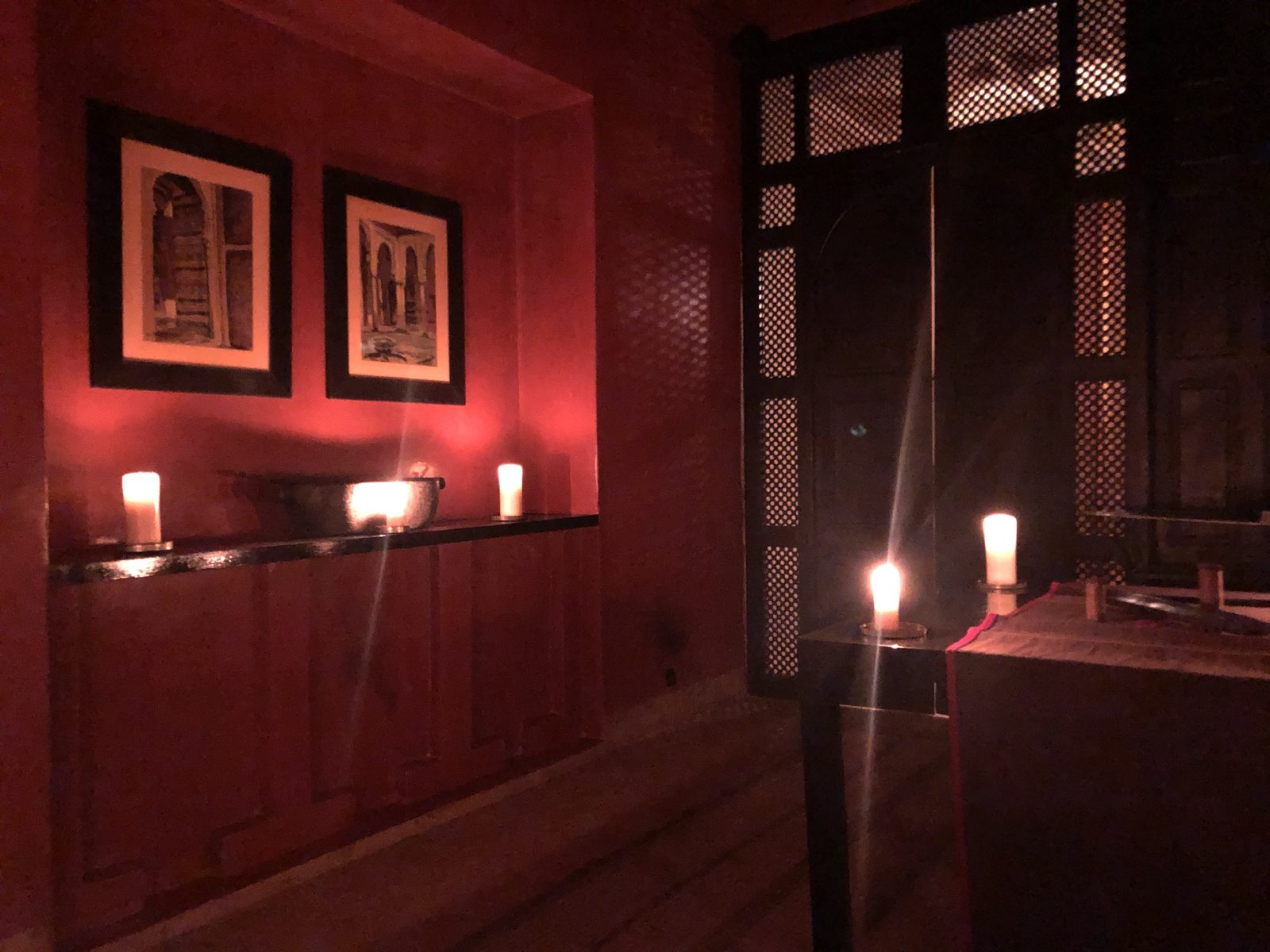
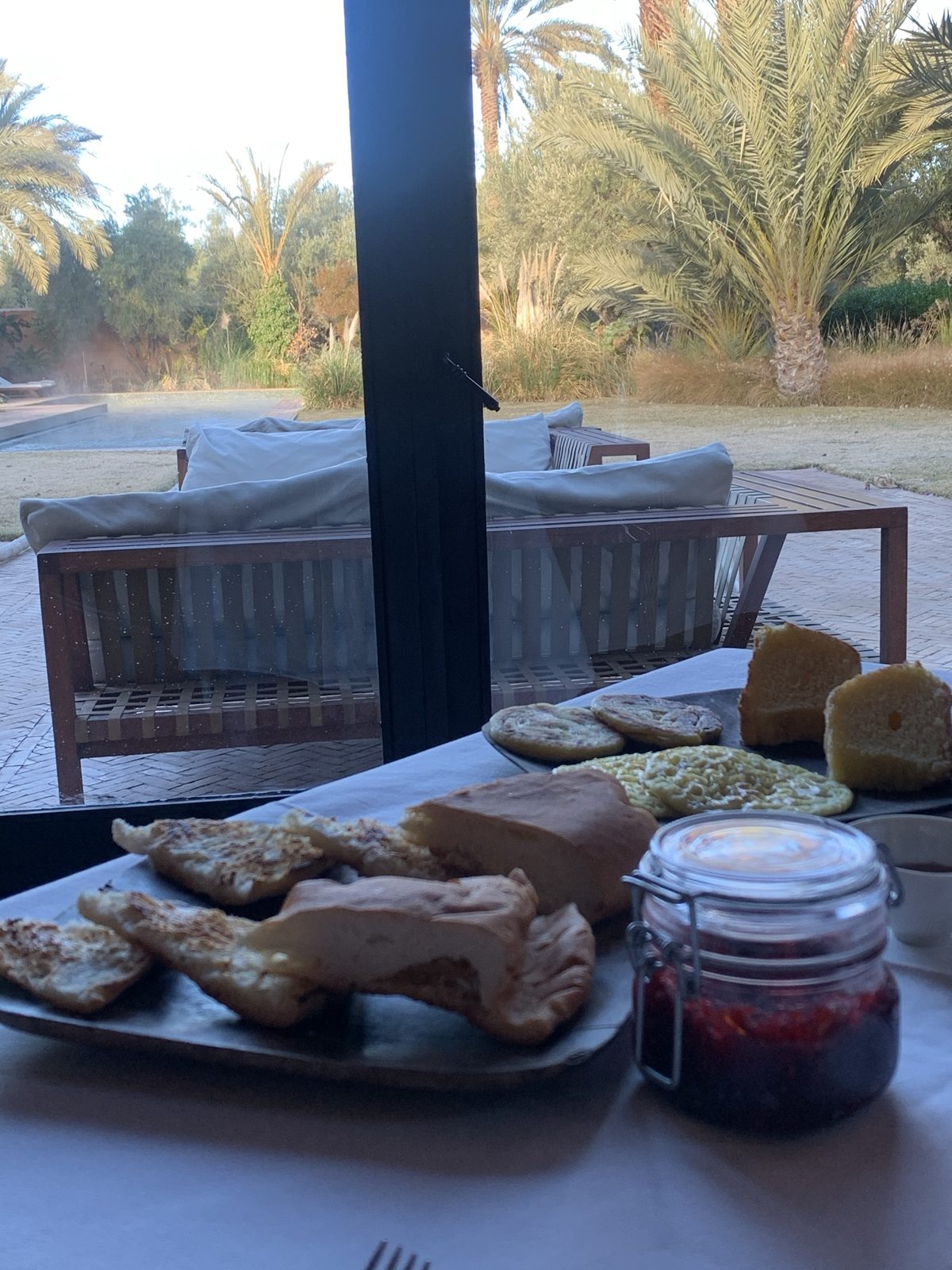
In the morning, after breakfast, I honestly just explored. It’s a maze with no signs, and there are so many nooks with little surprises in them. I found the cushion in front of one of the balconies and sat there reading for a while. Outside there’s a pool and a courtyard with palm trees, with mist coming off the water, and it feels like your pool, because no one else is there. One minor thing: the pool itself didn’t look super well kept when I went.
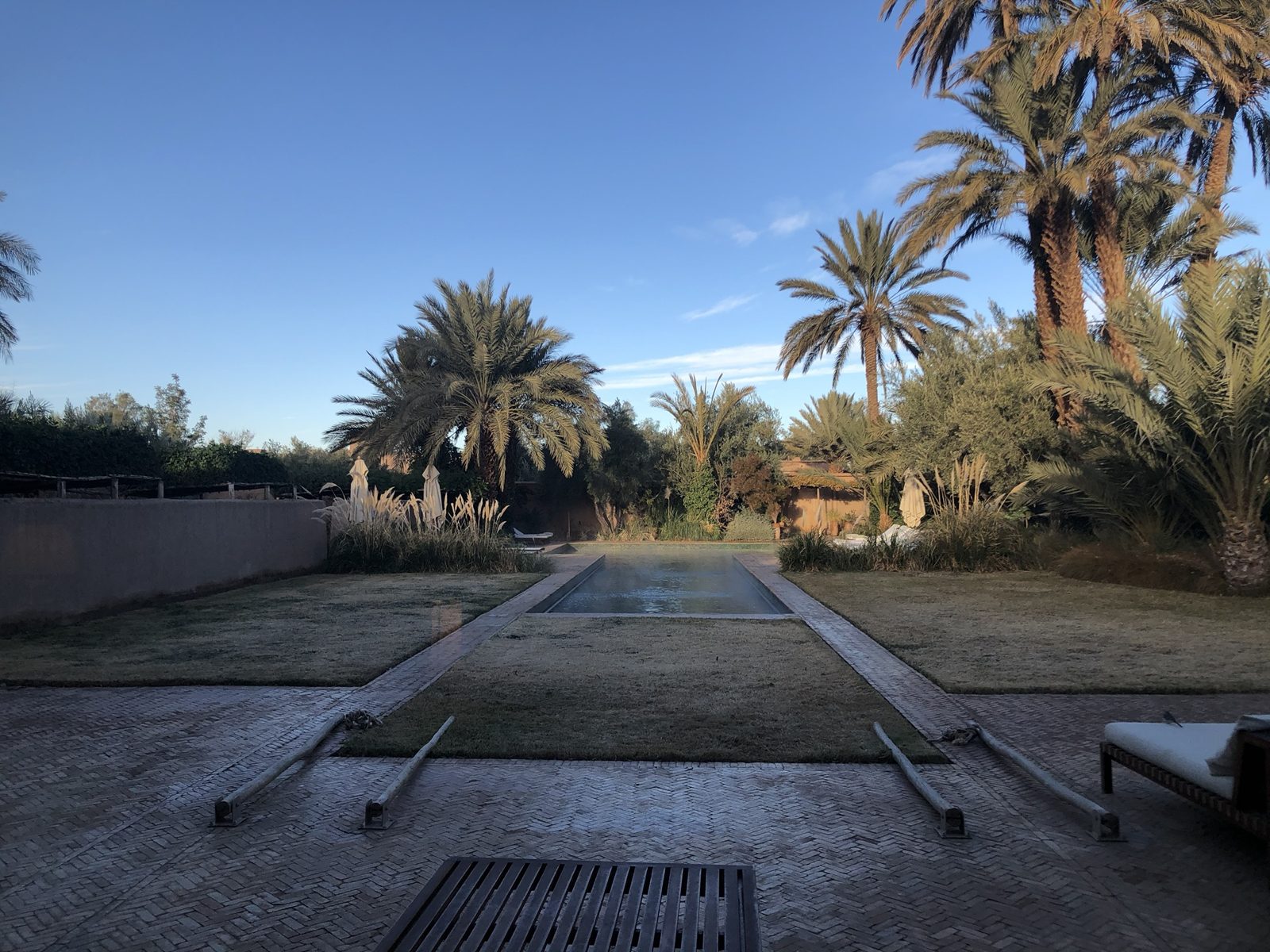
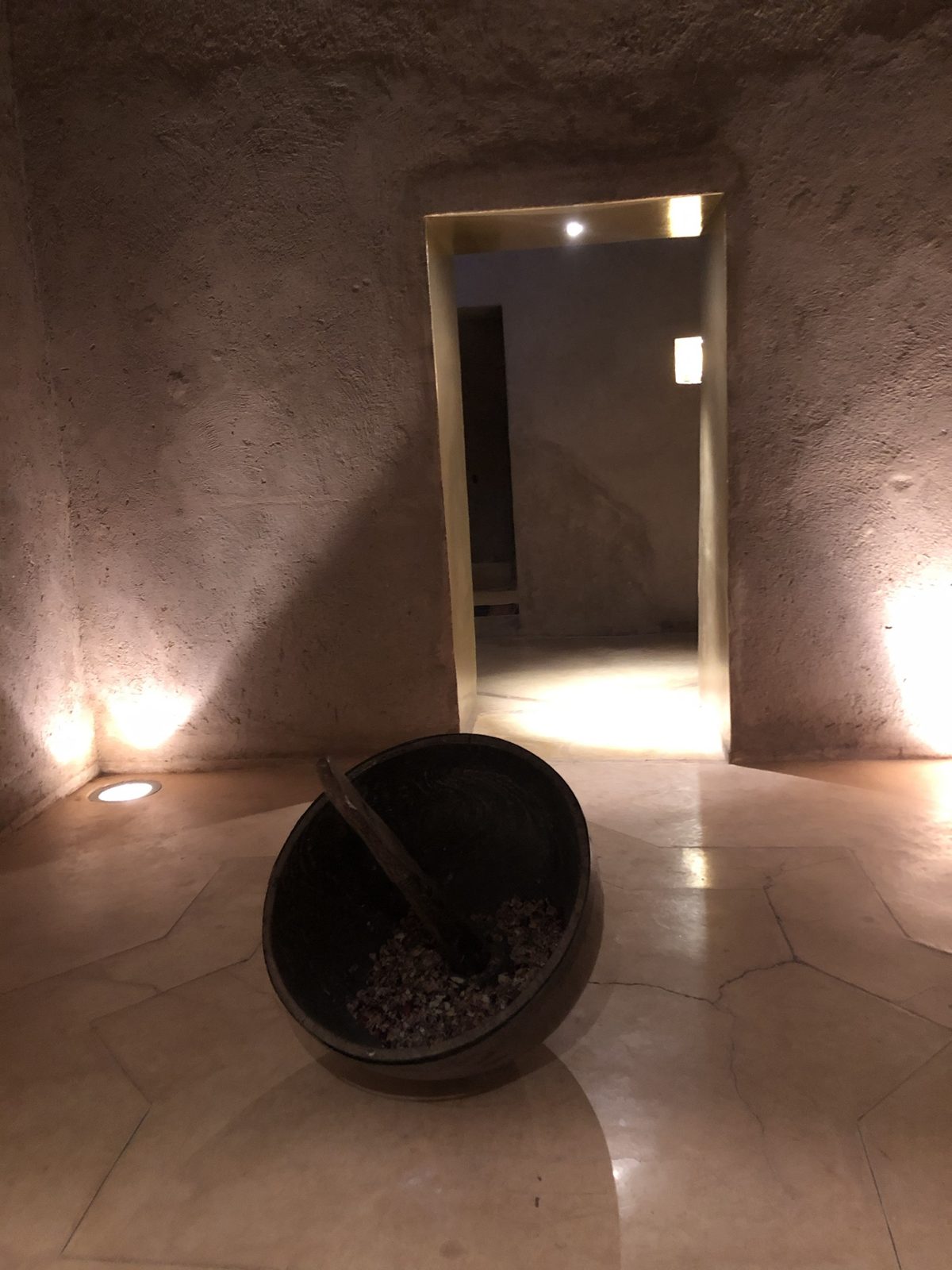
There’s not a lot to do in the immediate area, and there’s no gym, sauna or steam room. That’s not what it’s for. There’s a traditional hammam room, which is decorative rather than a working spa. The only things holding the score back are the distance and that it won’t be everyone’s taste.
The food: 8 out of 10
I had two meals here, dinner and breakfast, and there are no menus. Nothing is set. Everything is just brought to you, which you don’t find at many five-star hotels.
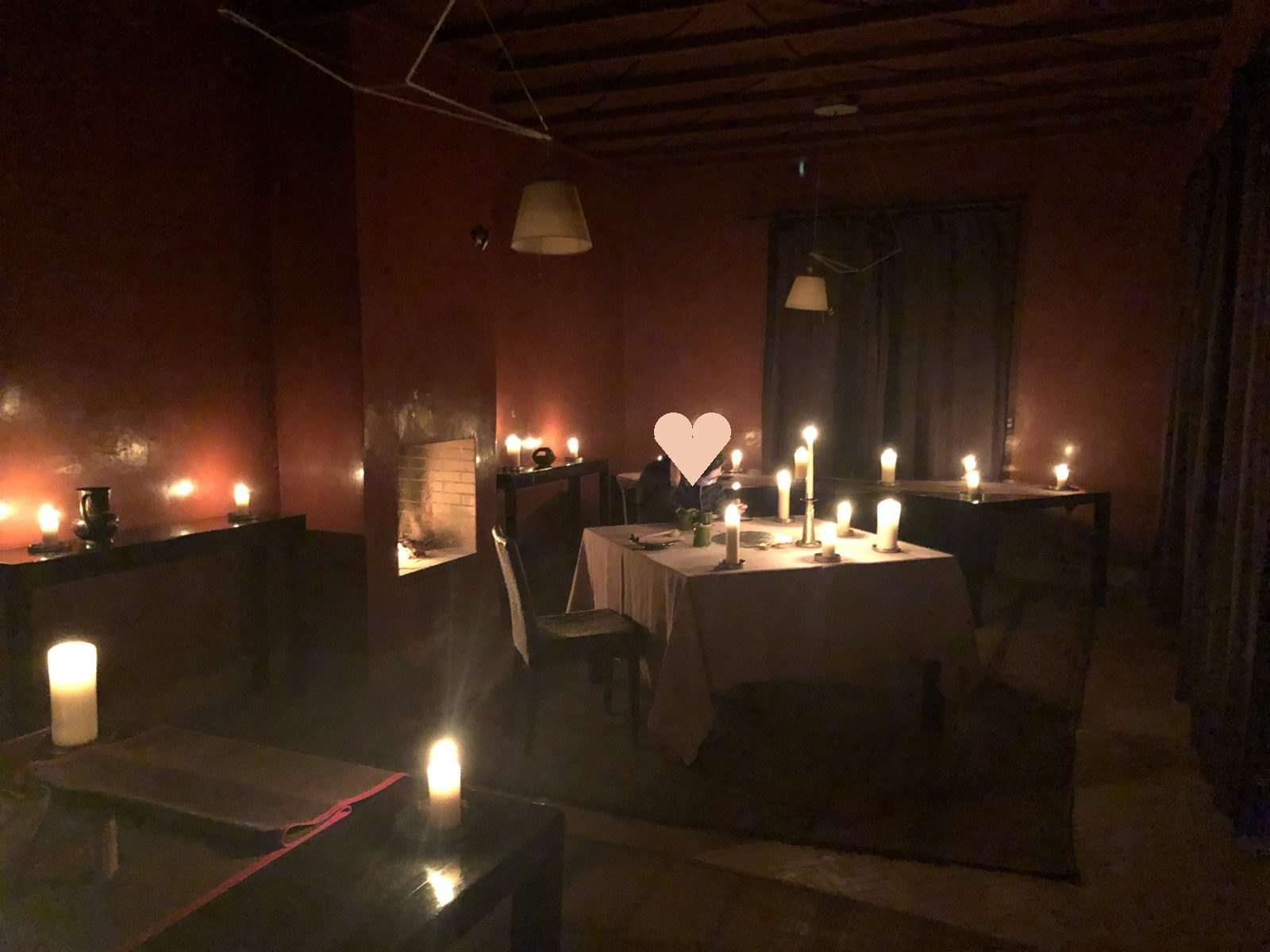
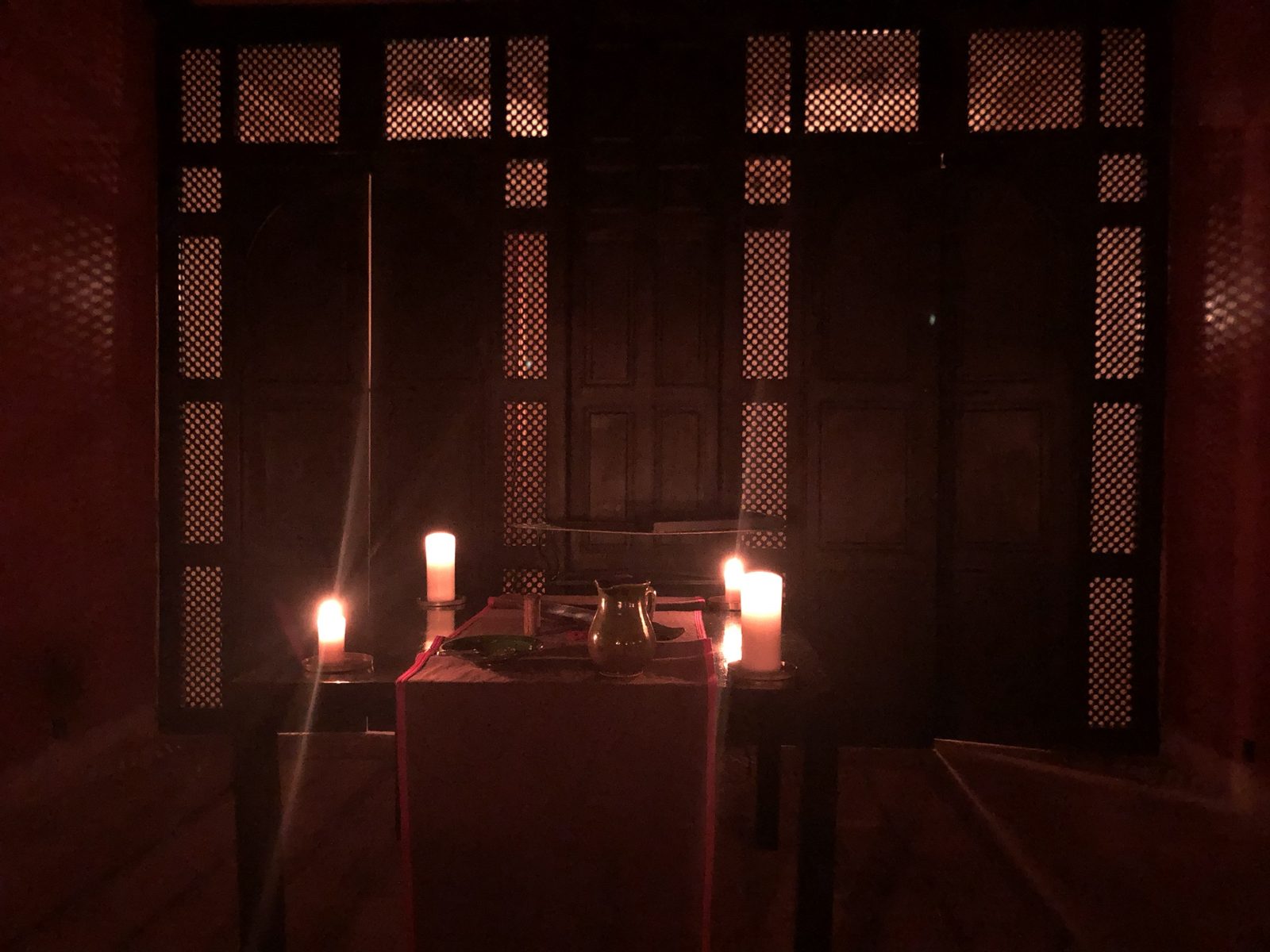
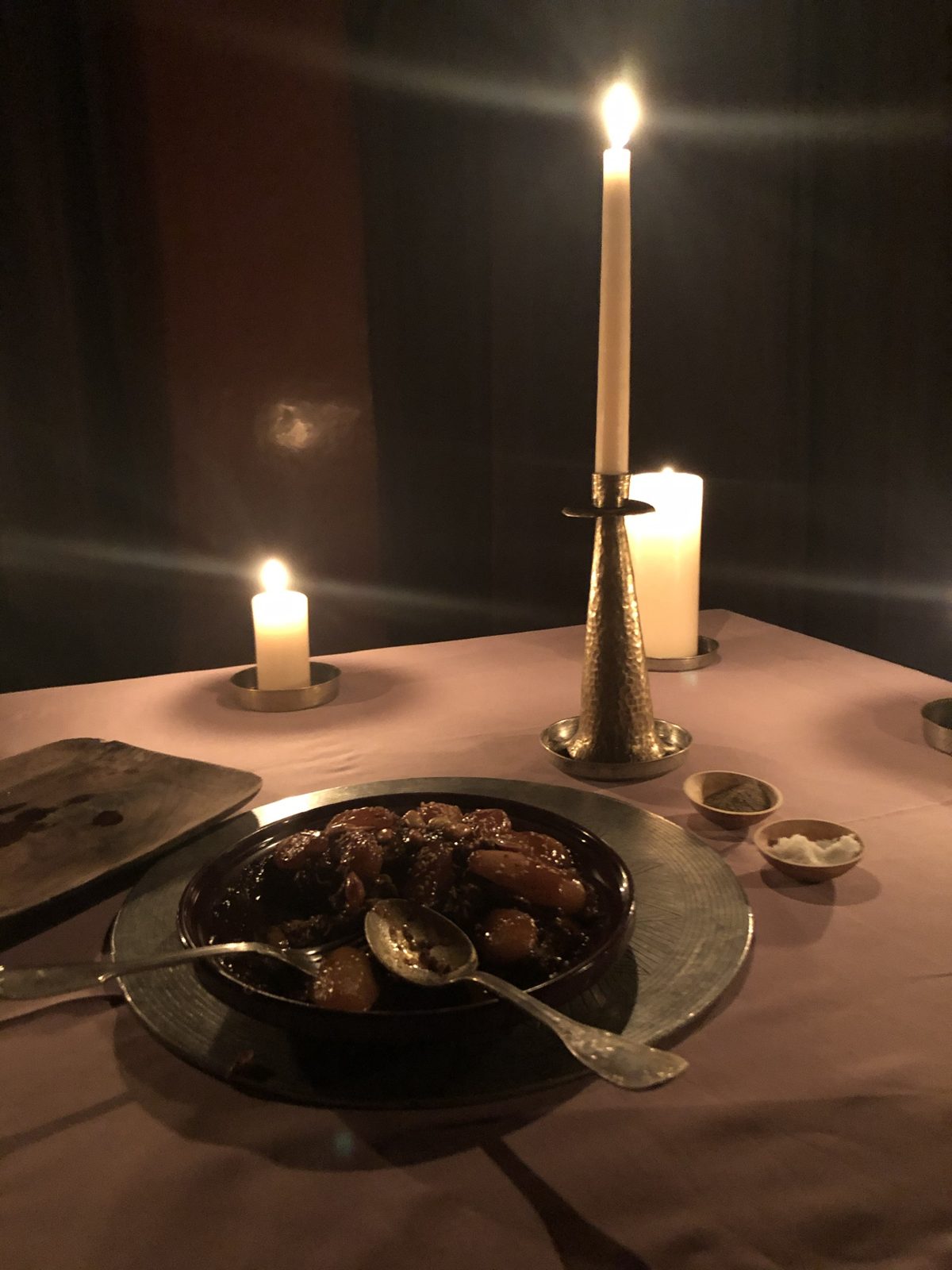
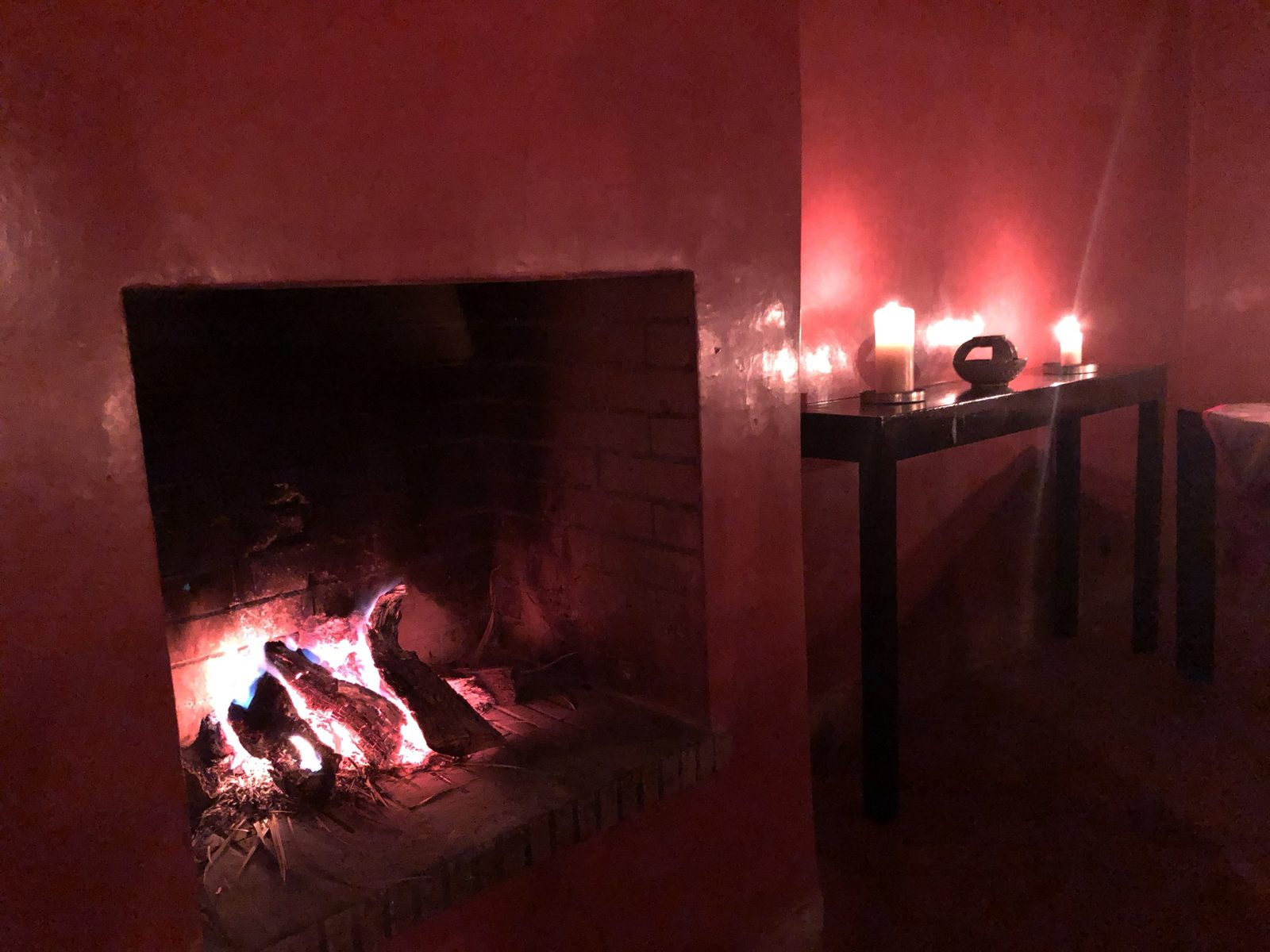
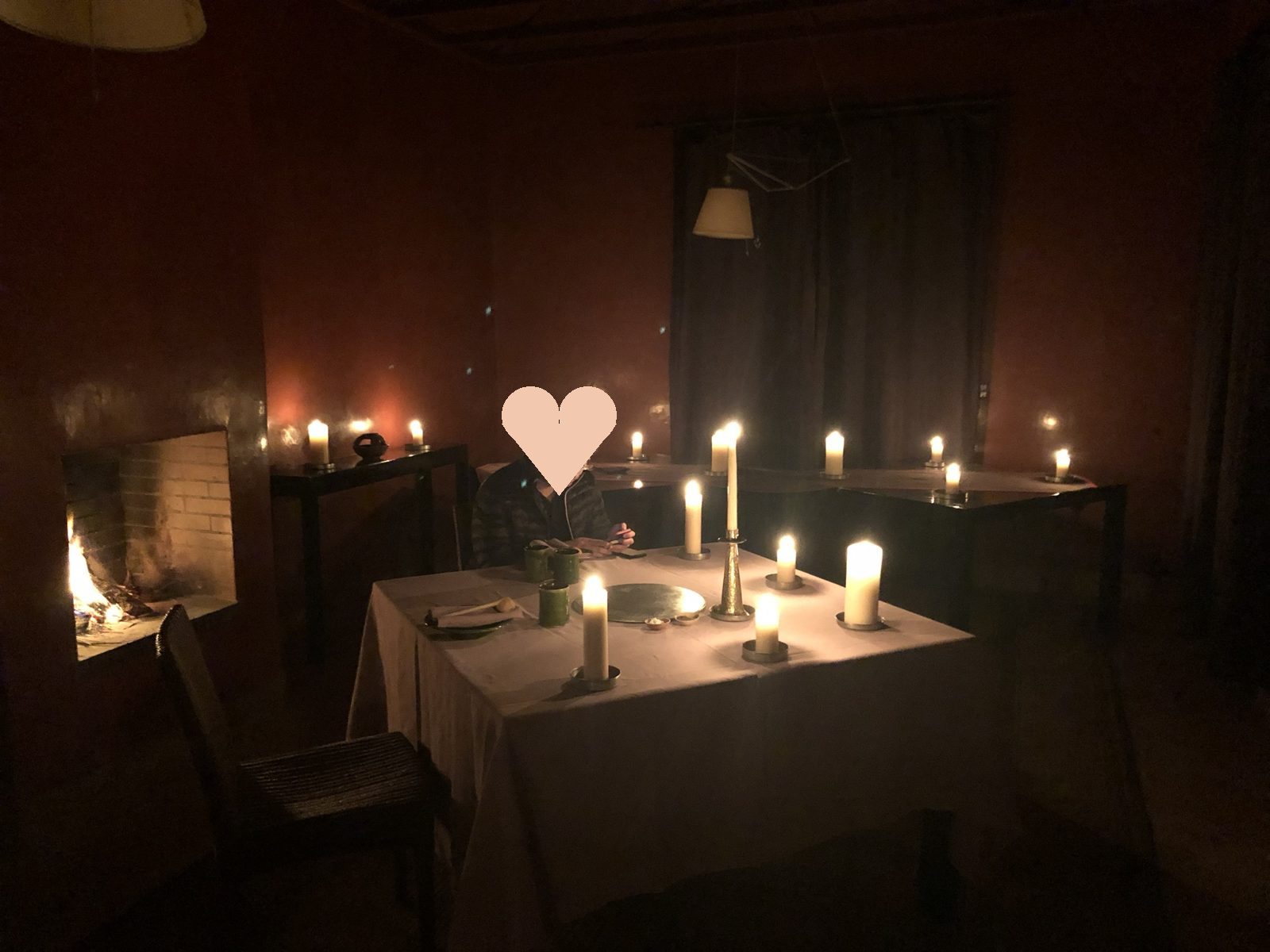
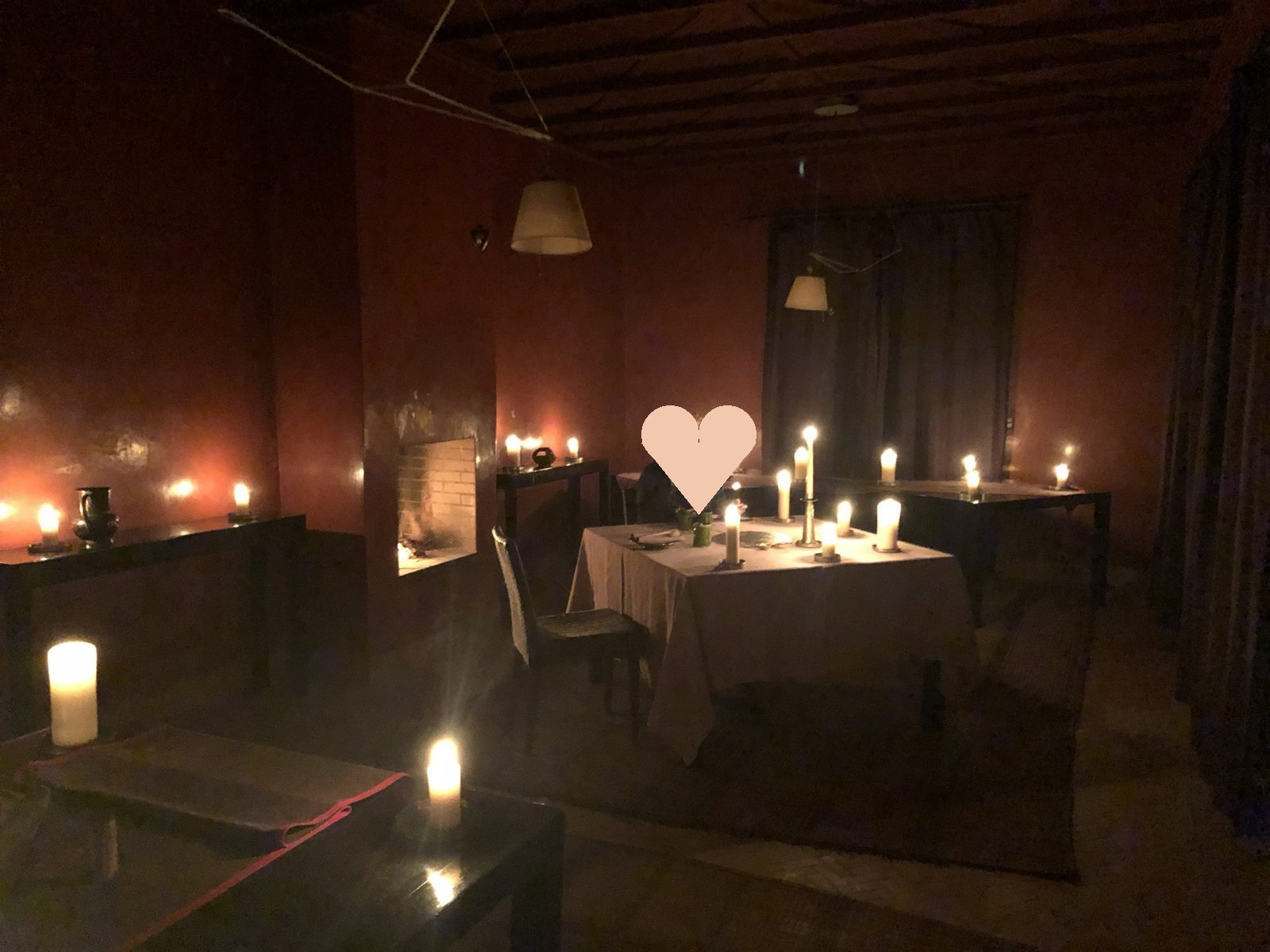
Dinner is the part I remember most, and it’s as much about the arrival as the food. You’ve been in a car all day, over the mountains and into the desert. Then they lead you into a small red room lit entirely by candles, with a fire going, and sit you down. There are other tables, but you can barely see them, and I was the only one there. It feels like a celebration that’s been set up for you.
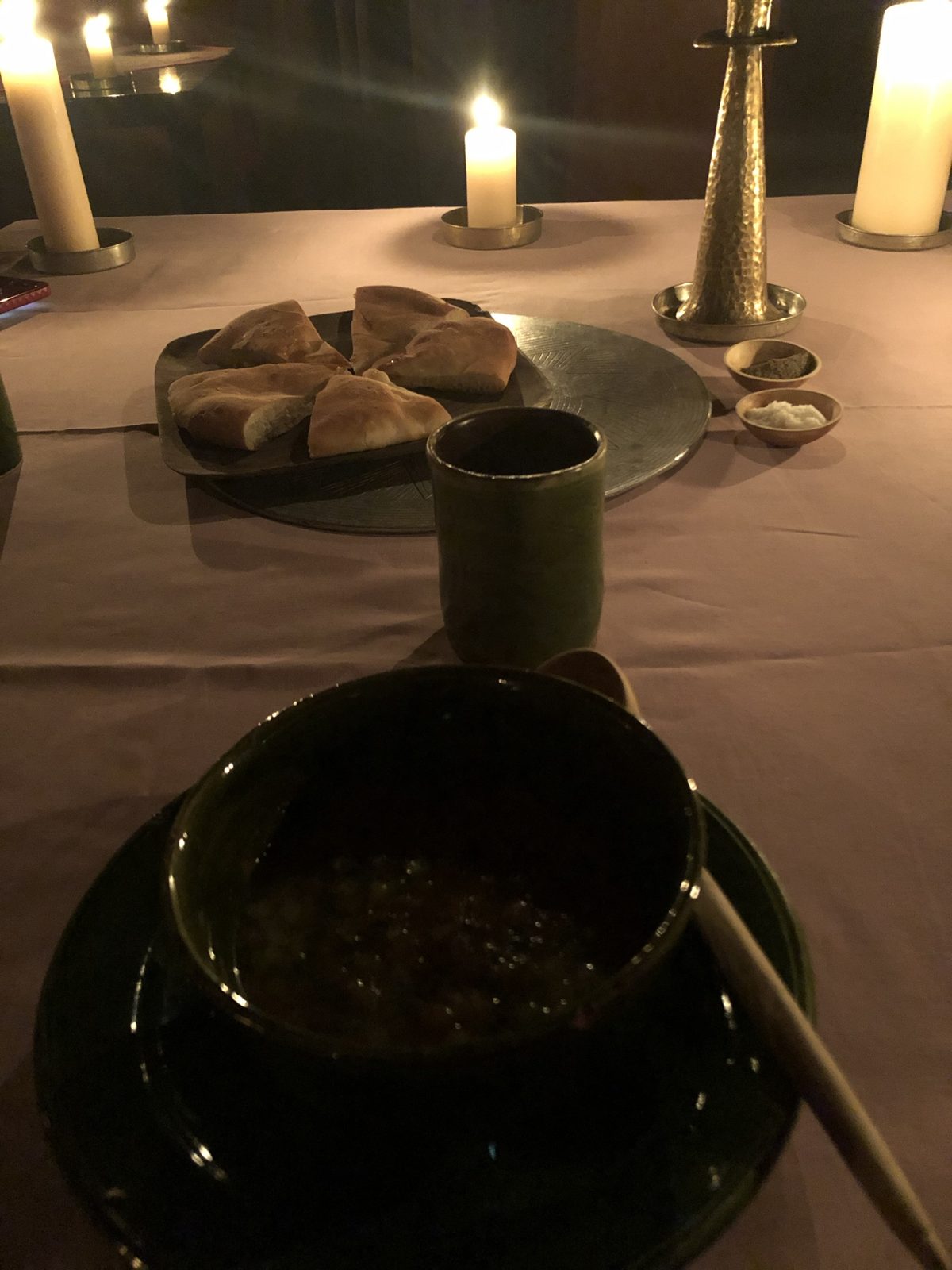
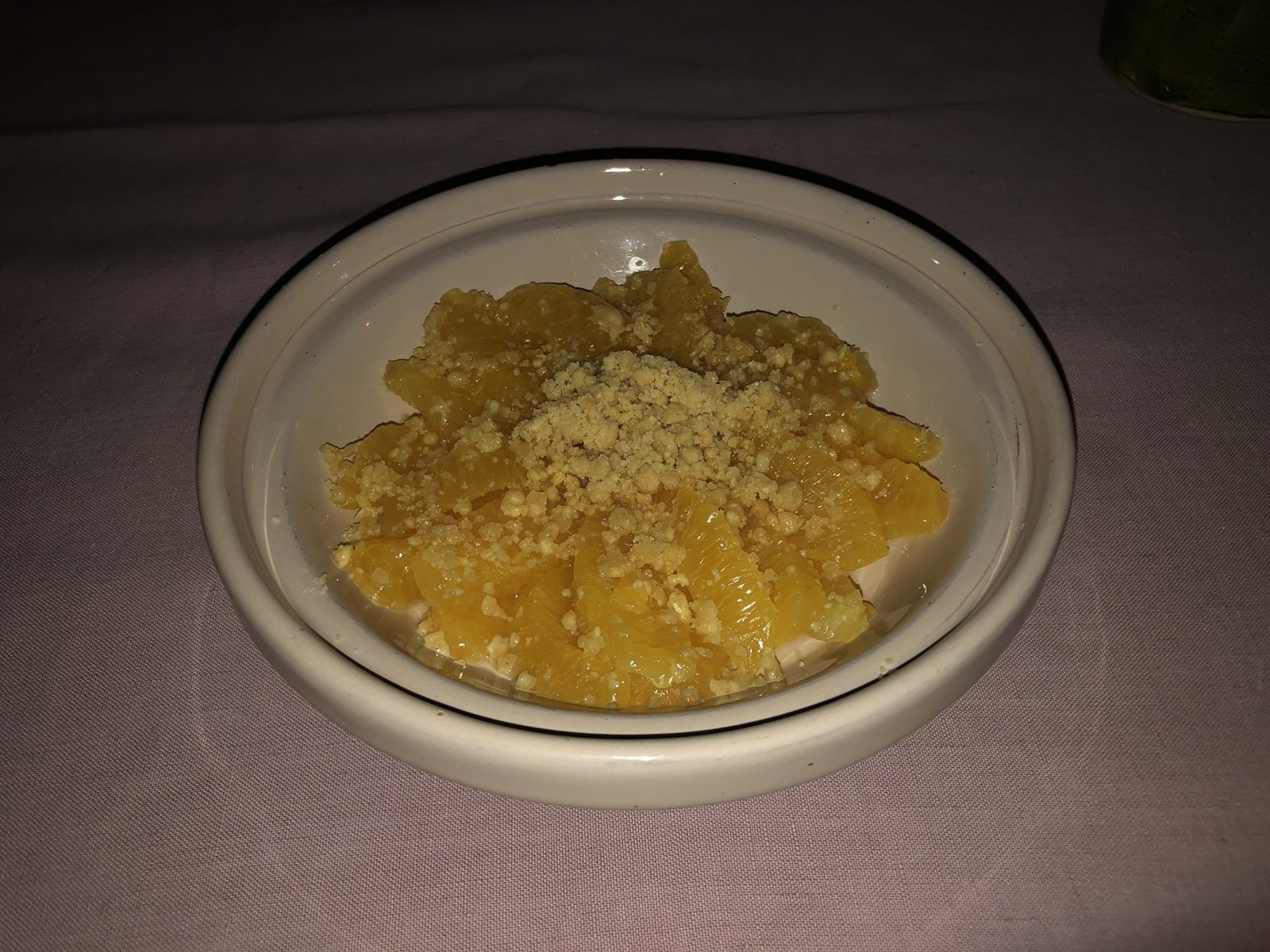
Bread and soup to start. Then a Moroccan meat tagine, slow-cooked with vegetables in a rich sauce, which you eat with your fingers and the flatbread. That was my favorite. Then an orange dessert topped with crumble to finish, which felt like the authentic way to end it.
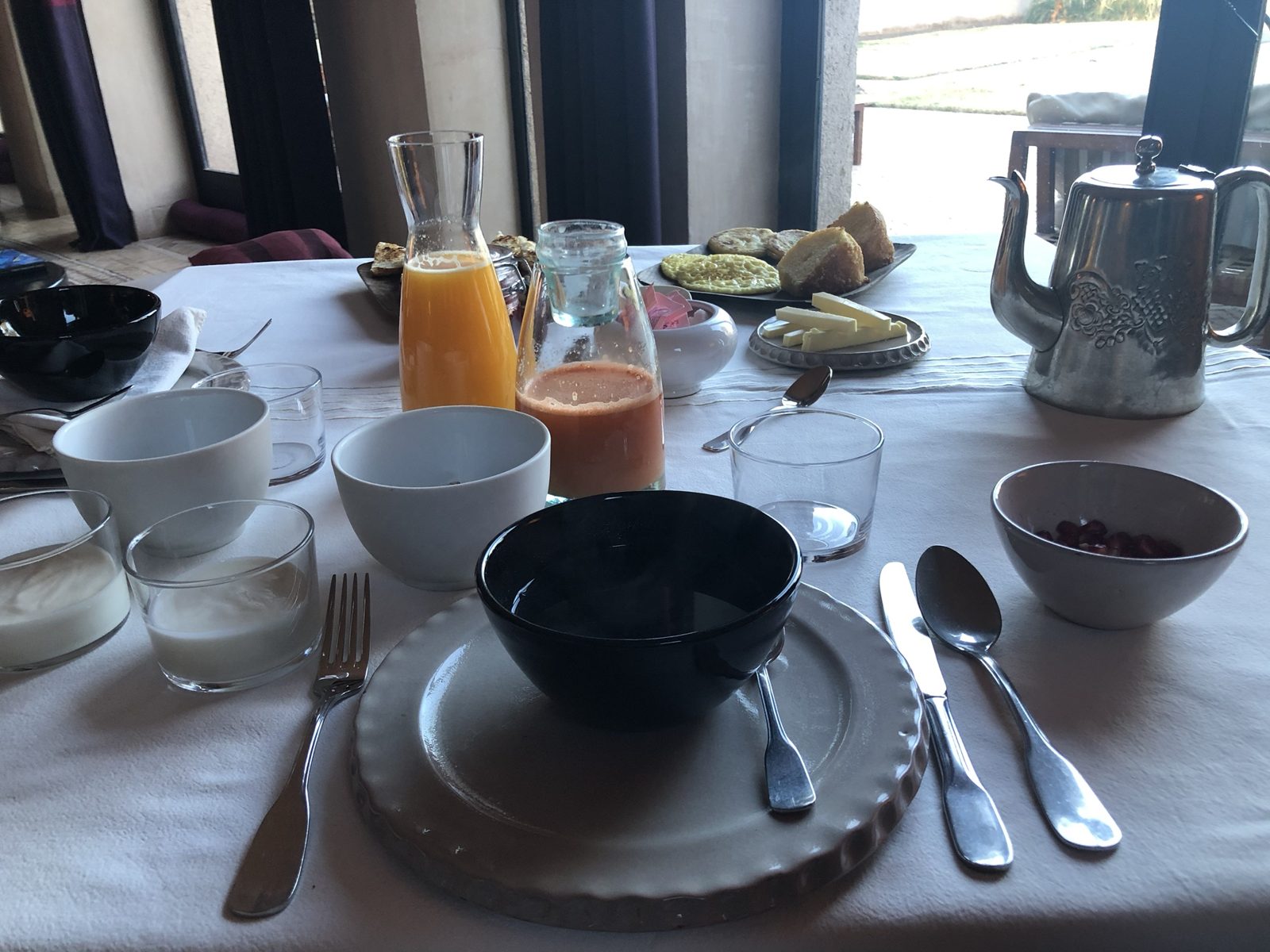
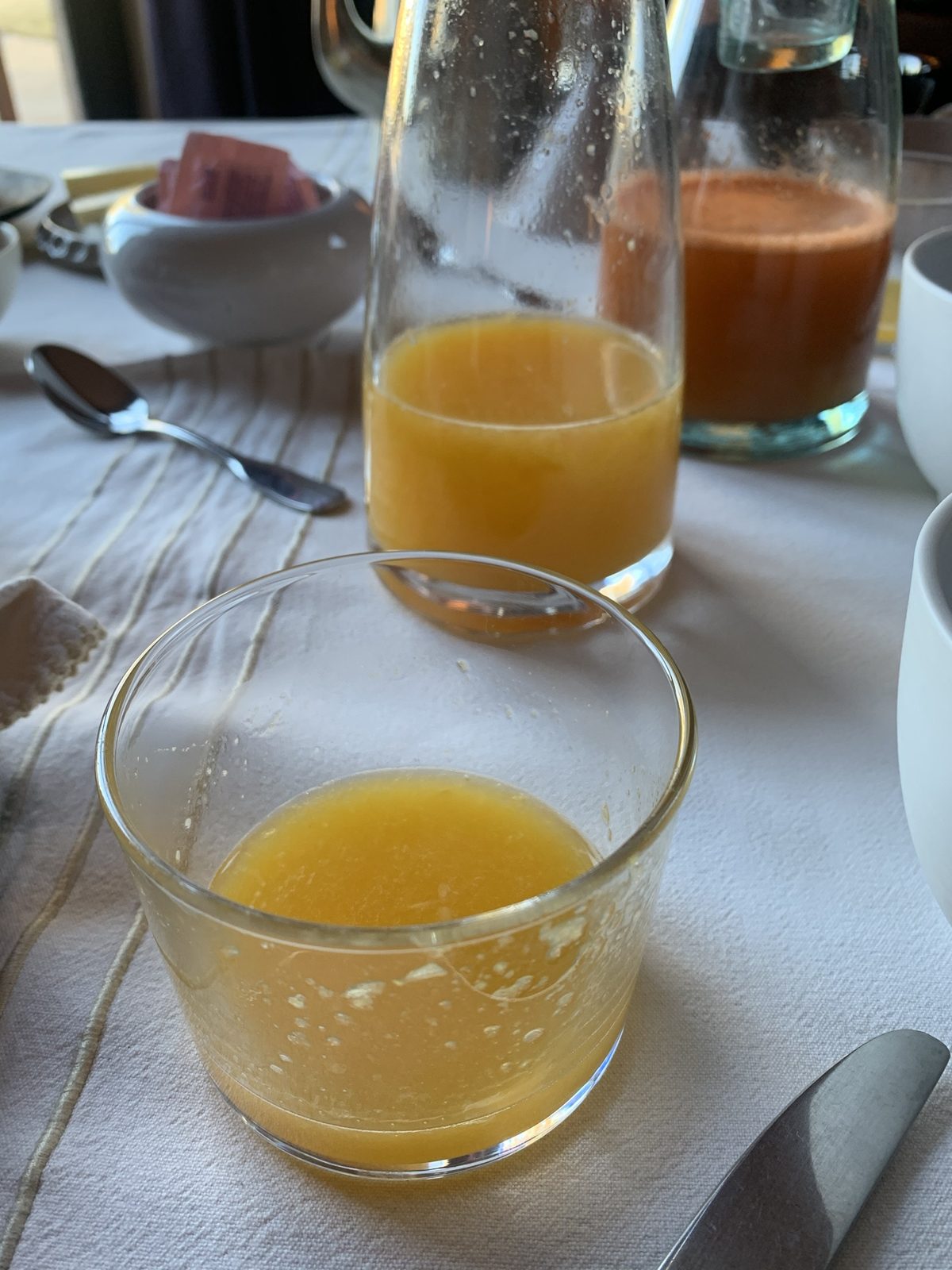
Breakfast is the opposite: bright, in a room overlooking the pool and the courtyard. Msemen, the flaky Moroccan flatbread, other breads, and fresh juices that were incredible. All of it good.
Service: 9.5 out of 10
Hospitality at a different level, and not in the way you’d expect. Nobody asked what I wanted or when. There was no reception, no set place to eat, no menu. They just brought it. Dinner appeared, breakfast appeared, and in between I didn’t see anyone unless I wanted to. It isn’t attentive or personalized in the five-star sense; it’s the opposite. You feel completely taken care of and completely alone, at the same time. That’s a hard thing to pull off, and they get it exactly right. It feels like a house with a full staff you never see, not a hotel.
What it cost
Dar Ahlam was one night inside La Mamounia’s Desert Experience package, which also covered the private car and driver from Marrakech, the stops along the way, and a night at a desert camp. On the package statement, the Dar Ahlam night came to $1,673 in December 2019, with the rest of the loop at $2,604 on top. The full breakdown is in the La Mamounia review and in A Week in Morocco.
What I can tell you is what it costs to book directly today: a standard suite, the room I had, runs around $2,450 a night, all-inclusive. That covers the room, all meals, and drinks. If you book through La Mamounia’s Desert Experience, as I did, the private car and driver from Marrakech are part of the package. If you book Dar Ahlam directly, ask about the transfer. The helicopter, if the road is closed, was 79,500 MAD, about $8,000, when I went.
For comparison, that’s about double what I paid per night at La Mamounia, where my room was 10,800 MAD, about $1,100 at the time, and more than Bürgenstock or NIZUC. You’re paying for having the place to yourself.
Value: 8 out of 10
Very expensive, but I think it’s a good value, because there’s nothing else like it. A 200-year-old castle to yourself, food without a menu, the feeling of being in a museum full of history and culture, and a full staff you barely see. For one night, I think it’s worth the money.
Vs. La Mamounia
Very different hotels. La Mamounia is grand, historical, full of amenities and things to do, in the middle of Marrakech. Dar Ahlam is far away, with hardly any amenities, and that’s the point. I’d do both: a few nights at La Mamounia, then one night, maybe two, at Dar Ahlam as the desert part of the trip. My full La Mamounia review is coming.
After breakfast, the car was waiting, and we headed further into the desert. Through a small village called Taznakht, past kasbah after kasbah, to the dunes of Erg Chigaga and a night glamping with camels in the background. The next day was lunch at Azalai Desert Lodge and a last night at a small hotel on the way back. That one honestly wasn’t very memorable, and nowhere near the level of La Mamounia, let alone Dar Ahlam. It rounds out the trip with places most tourists never visit. The whole week is in A Week in Morocco.
Vs. Tierra Atacama
The other remote desert hotel I’ve reviewed is Tierra Atacama in Chile. Both have a long drive in through the countryside, both are small and private, and both have service that’s attentive without being in the way. Dar Ahlam is more rustic and a true immersion in Moroccan and French influences; Tierra Atacama is more refined, more of a wellness retreat, and all-inclusive, with a long list of excursions.
Who it’s for
Anyone who wants a true escape from daily life. Couples on a romantic trip, solo travelers, and families too, though probably not with young kids: it’s far, there’s not much nearby, and the whole experience is quiet, dark and candlelit. Some people may find it a touch spooky. For me, that was the appeal.
It’s a great place to stop for one night, maybe two, as part of a bigger Morocco trip.
Tips if you go
- Book it through your Marrakech hotel if you can. La Mamounia’s Desert Experience handled the car and everything else.
- Take the car, not the helicopter. The drive is half the experience.
- Leave early and stop often. Five hours doesn’t feel like five hours if you take pictures along the way.
- Check the weather in the Atlas in winter. If it snows, the road closes.
- Don’t expect menus. Just let them bring the food.
- Wander the hallways after dark and find the balconies with the cushions.
- Stay one night, maybe two, then keep going into the desert.
Verdict: 9/10
You don’t go for the room or the food, good as they are. You go to disappear for a night. A private kasbah in the desert, art in every hallway, dinner by candlelight with no menu, and staff who are there when you need them and gone when you don’t. The drive over the Atlas is part of it.
The only real downside is that it’s far. But that’s part of the point.
Would I go back? Definitely. With family, on a romantic trip, or by myself, as a true escape from daily life.
FAQ
Is Dar Ahlam worth it?
Yes, for one night as part of a Morocco trip, if you want something you can’t get anywhere else. It’s around $2,450 a night all-inclusive today, plus the car from Marrakech.
How far is Dar Ahlam from Marrakech?
About five hours by car, over the Atlas Mountains. With stops for photos, it doesn’t feel that long.
Is Dar Ahlam all-inclusive?
Yes. Meals and drinks are included, and there are no menus. They bring you a mix of Moroccan dishes.
What happens if it snows?
When it snows in the Atlas, the road closes. The alternative is a helicopter, which was about 79,500 MAD when I went.
Is it good for families?
Yes for families, probably not for young kids. It’s far away, there’s little nearby, and it’s a quiet, candlelit kind of place.
Does Dar Ahlam have a Michelin Key?
Not as of October 2026, as far as I can tell. La Mamounia, which I booked it through, has one.
What’s nearby?
Not much, and that’s the point. The Skoura palm grove is around you, and the car can take you on to villages like Taznakht and the dunes beyond.
Would you go back?
Definitely.
Subscribe to the Key & Fork newsletter
New hotel and restaurant reviews, travel guides, hotel comparisons and updates on places I’ve stayed. No spam, unsubscribe anytime.
Where it is
Open in Google Maps ↗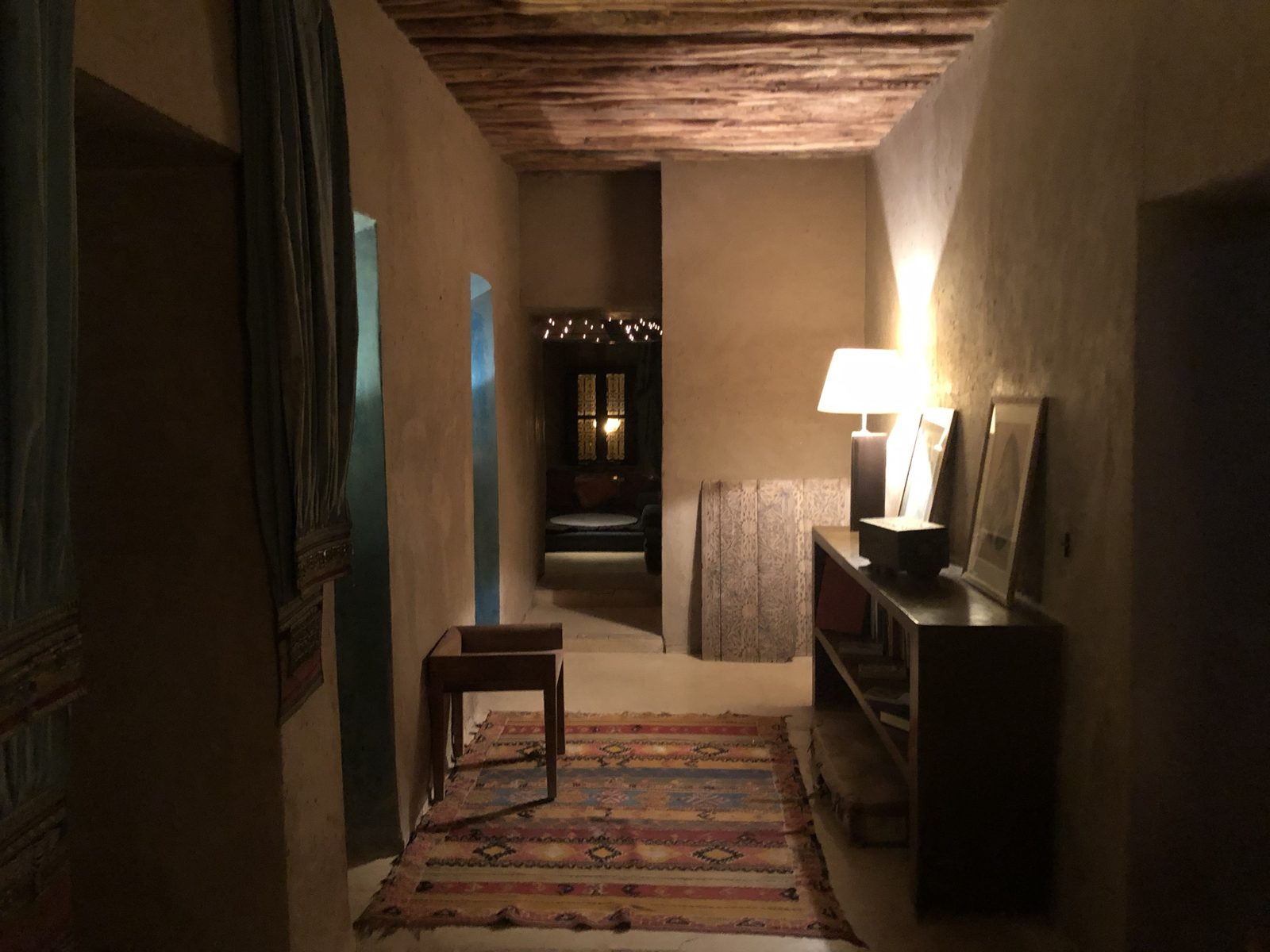
Subscribe to the Key & Fork newsletter
New hotel and restaurant reviews, travel guides, hotel comparisons and updates on places I’ve stayed. No spam, unsubscribe anytime.