A Week in Morocco: My Marrakech to Sahara Itinerary (and What It Cost)
Eight days, day by day, with what it cost.
Marrakech, Morocco RAK
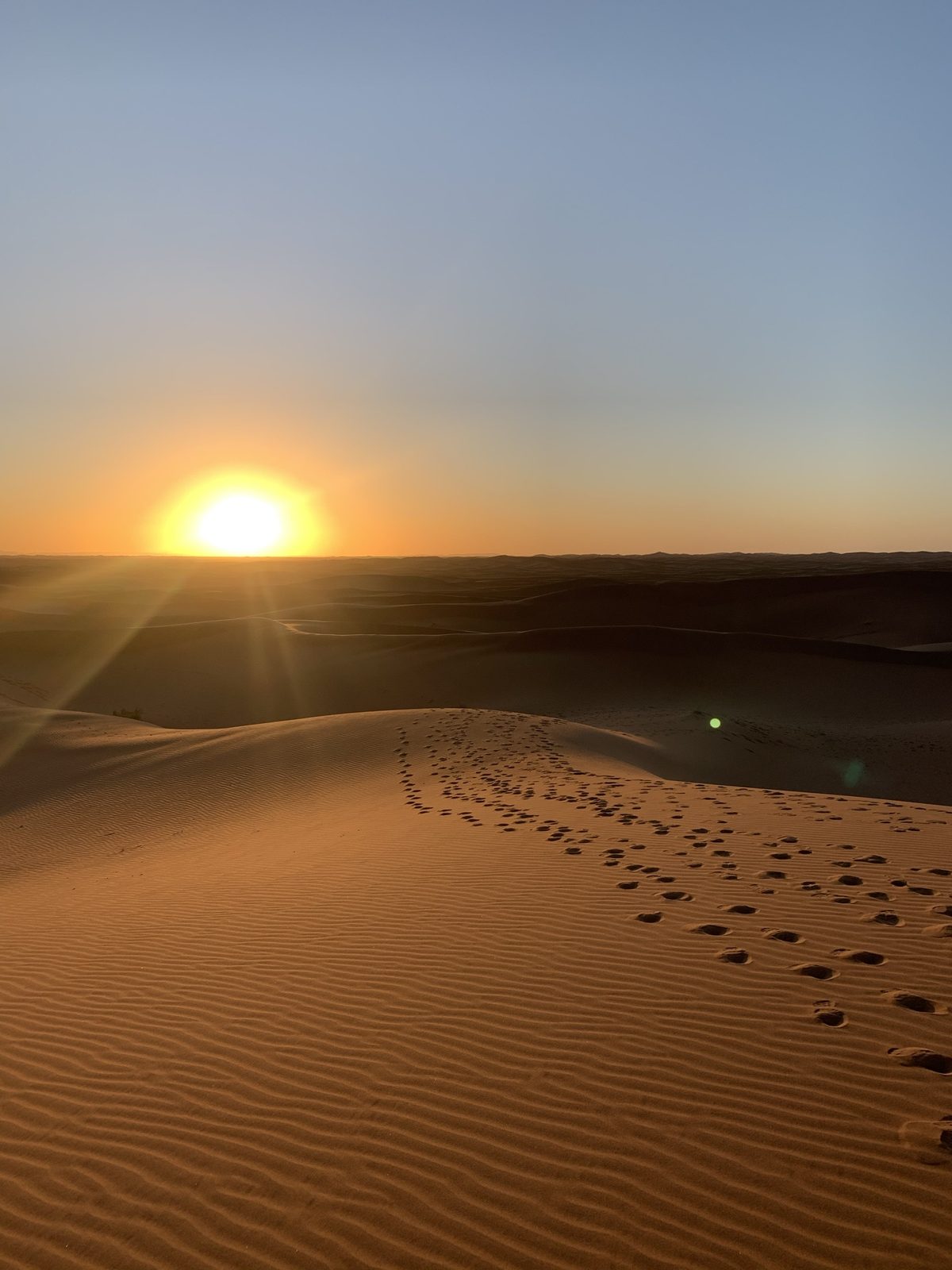
The short version: Eight days in December 2019, from a palace hotel in Marrakech, over the snowy Atlas, to a 200-year-old kasbah and a camp in the Sahara dunes, and back. La Mamounia organized the whole desert loop, with a private car and driver, and it’s still one of the best trips I’ve taken. The camp was freezing and I got a little sick. I’d do it again tomorrow, with warmer clothes.
This is the trip behind two of my reviews, La Mamounia and Dar Ahlam, plus everything in between. The walks, the lake, the souks, a dinner at Royal Mansour, the drive over the Atlas, and a night in the dunes. I paid for all of it myself. Nothing was comped.
It was almost seven years ago, so some things have changed. La Mamounia has been renovated since, and I believe its Desert Experience is now a one-day trip rather than the multi-day loop I did. I’ve flagged what I know.
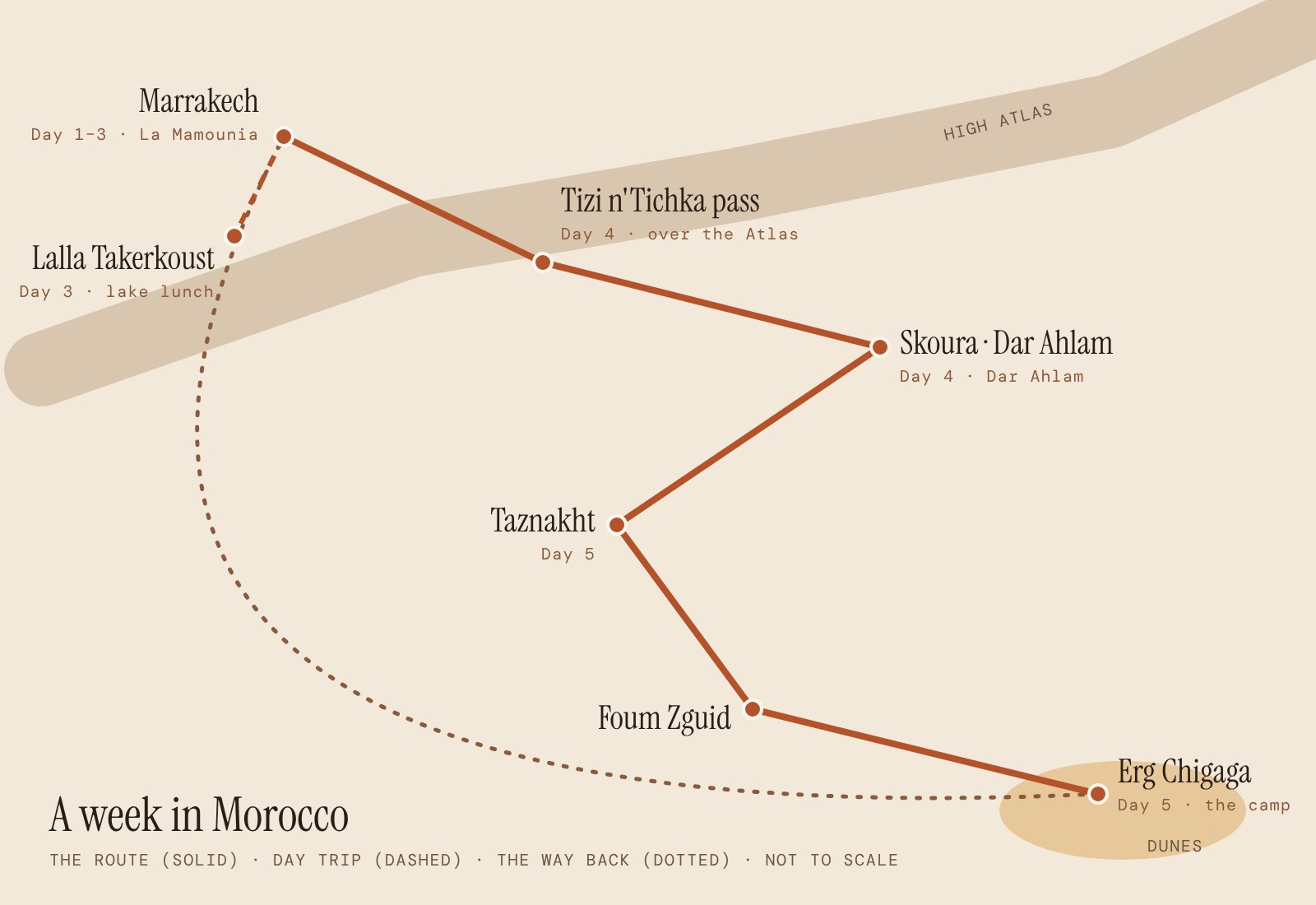
The week at a glance
| Day | Date | Where | Sleep |
|---|---|---|---|
| 1 | Dec 15 | La Mamounia, dinner at Le Français | La Mamounia |
| 2 | Dec 16 | Walking: Kasbah Café, Saadian Tombs, Bahia Palace | La Mamounia |
| 3 | Dec 17 | Day trip to Lalla Takerkoust, the souks, dinner at Royal Mansour | La Mamounia |
| 4 | Dec 18 | Over the Atlas Mountains | Dar Ahlam |
| 5 | Dec 19 | Taznakht, the kasbahs, the dunes | Erg Chigaga Wild Desert Camp |
| 6–7 | Dec 20–21 | The drive back, one night on the way | A small hotel, then La Mamounia |
| 8 | Dec 22 | Rest, then check out | — |
Day 1: La Mamounia
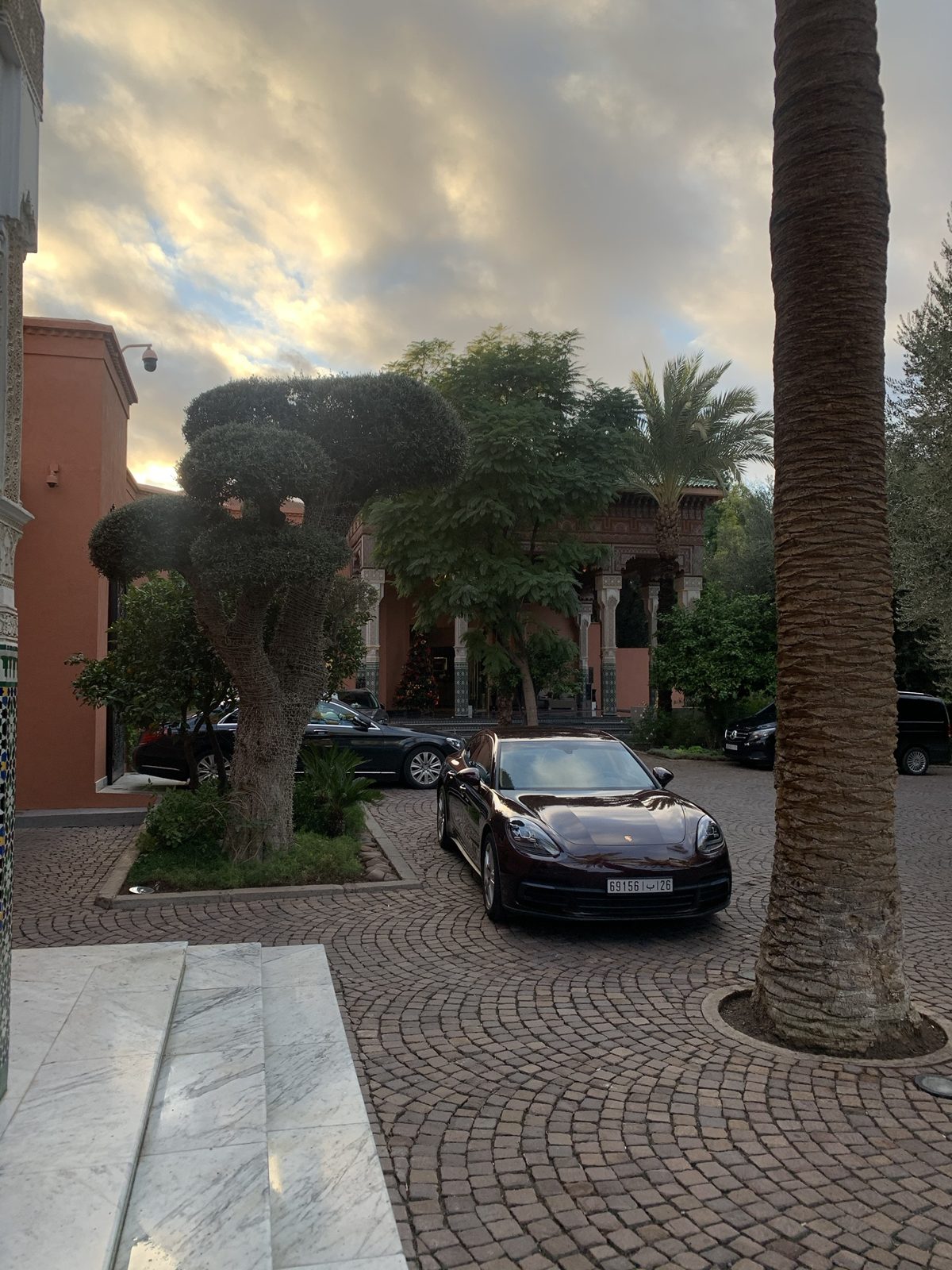
Marrakech is noisy and crowded. Then you come through the gates of La Mamounia and it’s quiet: manicured gardens, palm trees, and a fleet of maroon Range Rovers and Porsche Panameras lined up to take guests into the desert. It’s a preview of what’s coming.
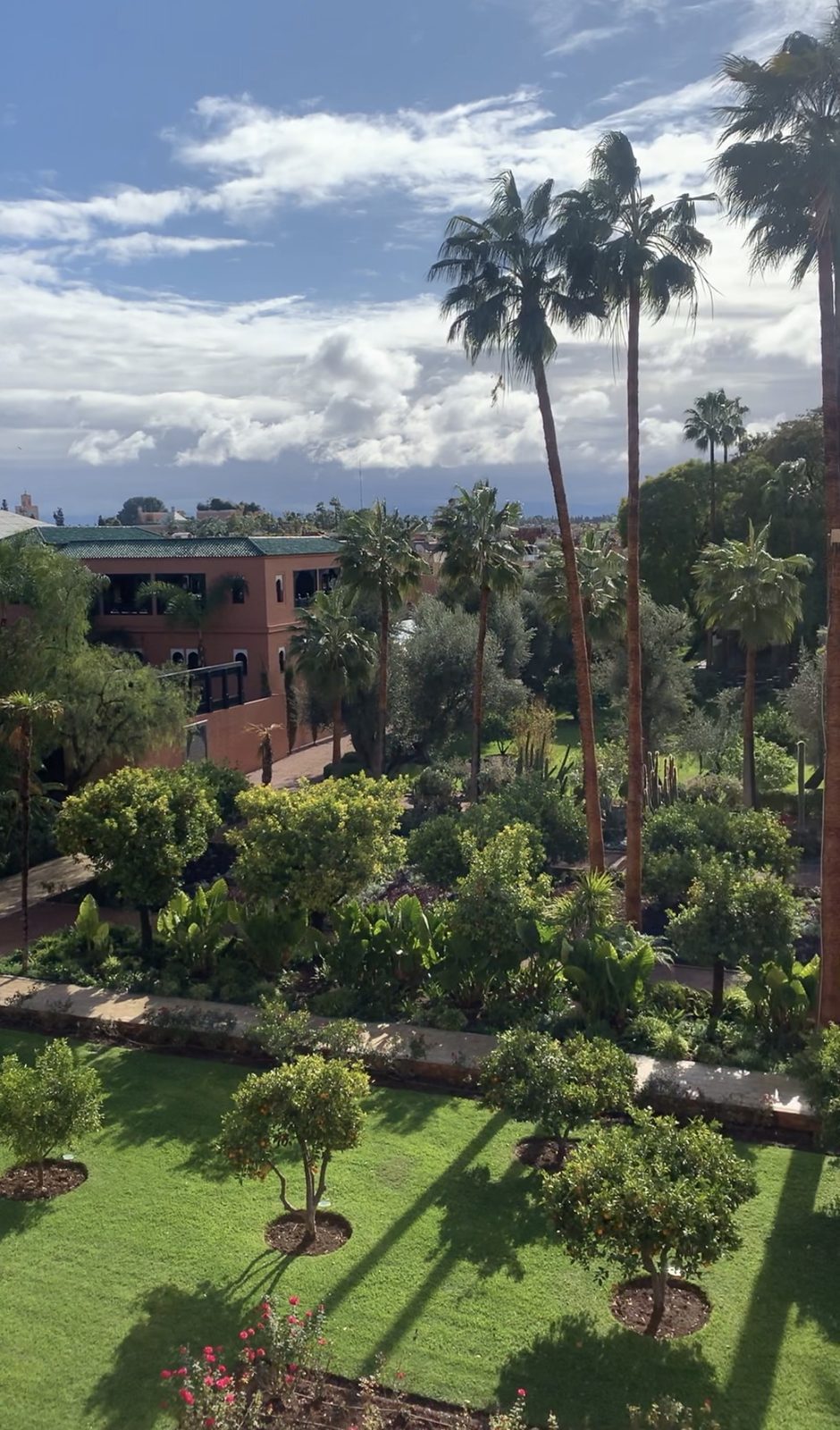
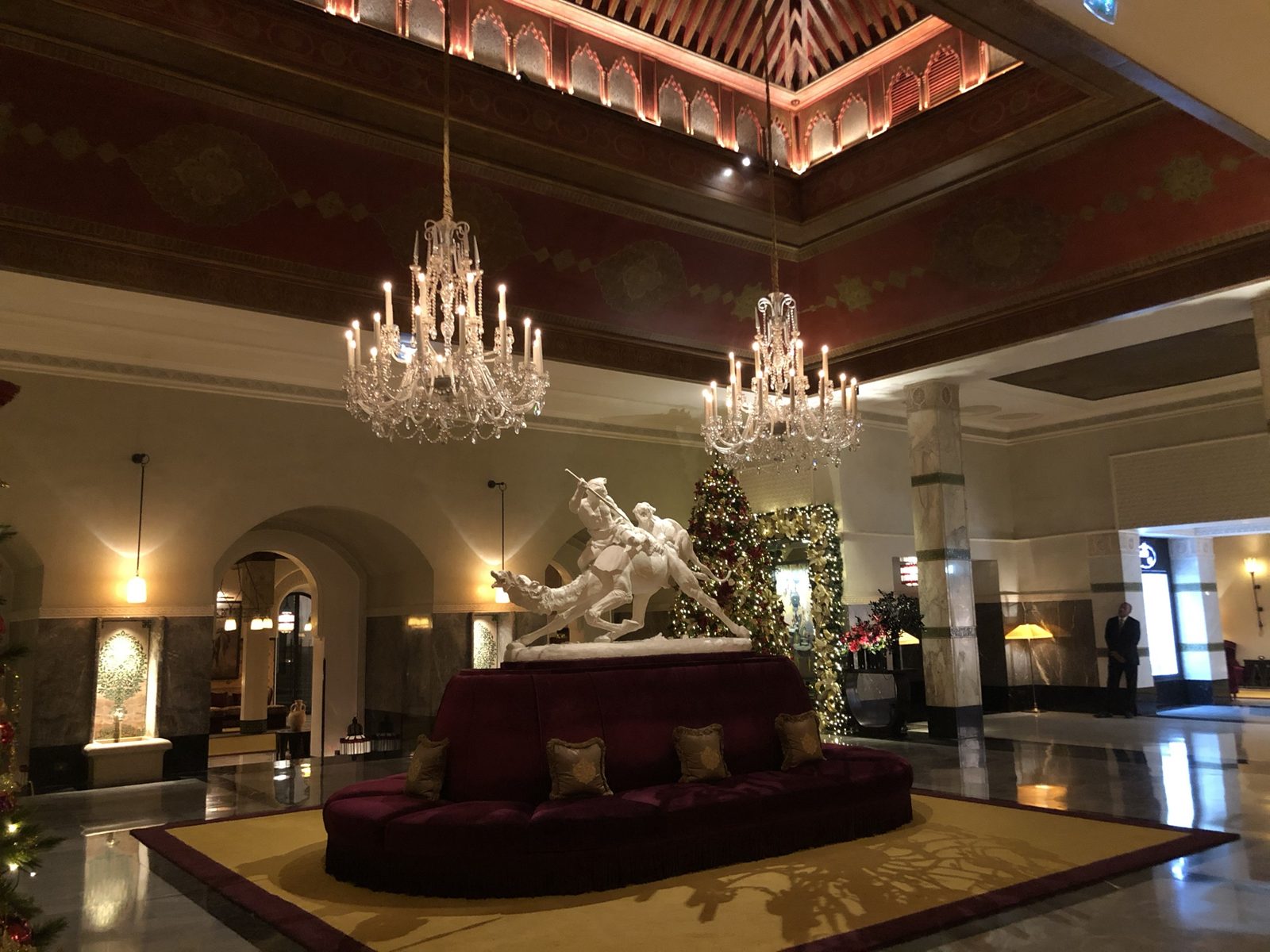
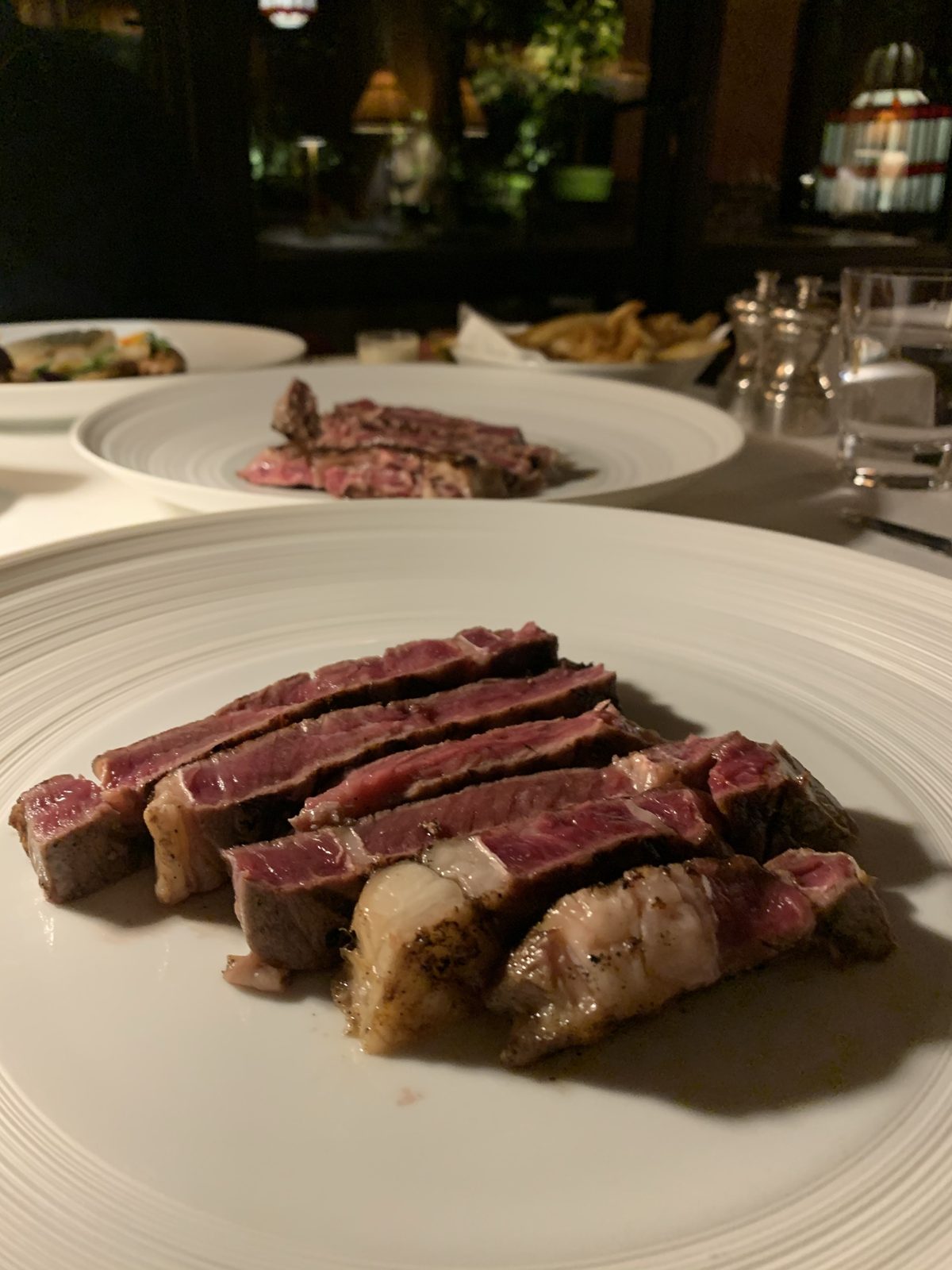
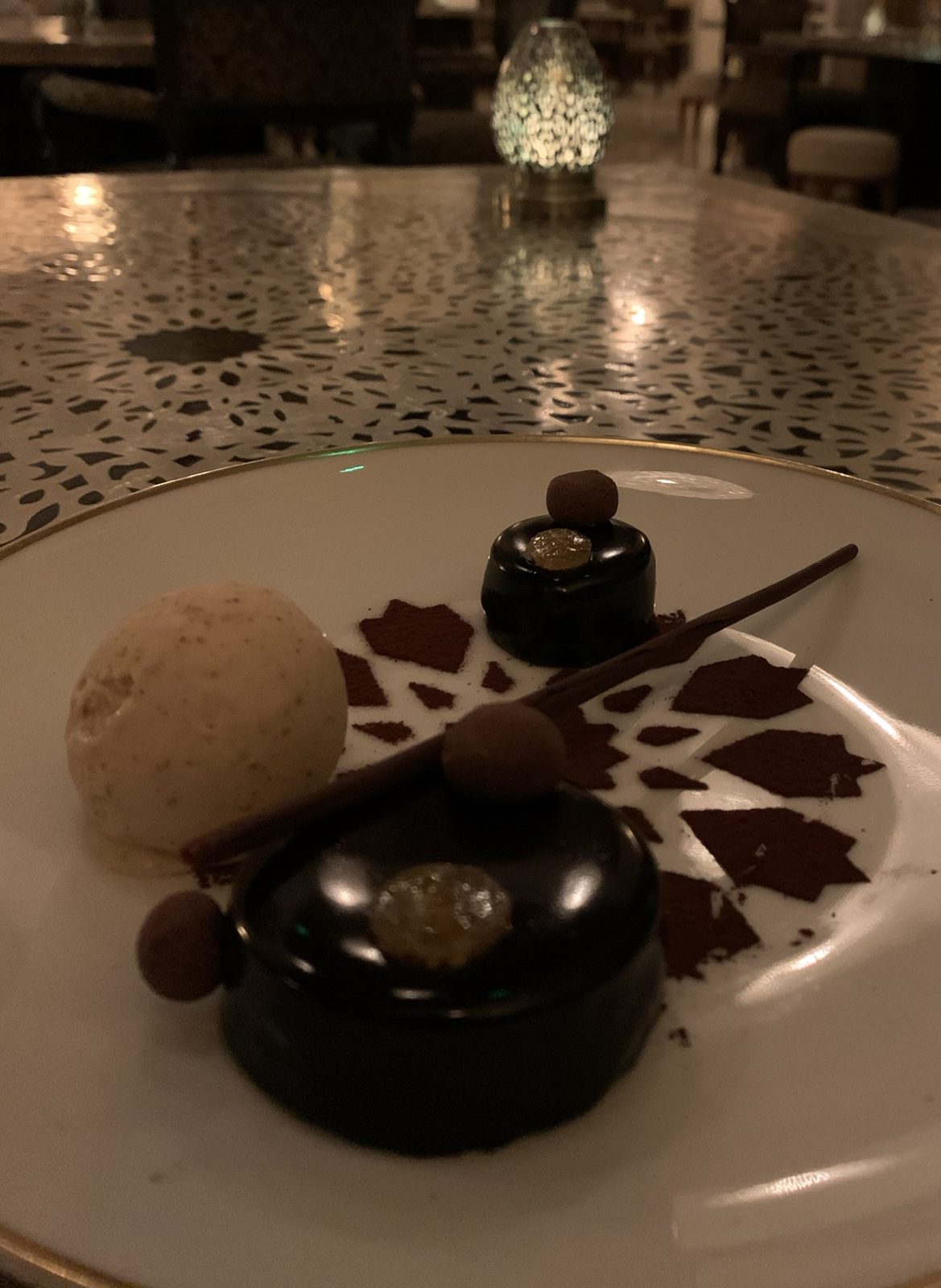
I spent the first day just exploring the hotel. It’s huge, a walled oasis with a big courtyard and gardens that the rooms look out on. Dinner was at Le Français, the steak restaurant, and the steak was incredible. If they still have it, get it. (They may not: Le Français has since been replaced. More in the full review.)
Day 2: Walking the old city
The next morning we walked from the hotel toward the El Badi Palace and the Moulay El Yazid Mosque, the Kasbah Mosque. It’s about a 15-minute walk, roughly a kilometer, but a little smoky and crowded. Stop at the Kasbah Café and sit on the second floor: it overlooks the mosque and the Saadian Tombs.
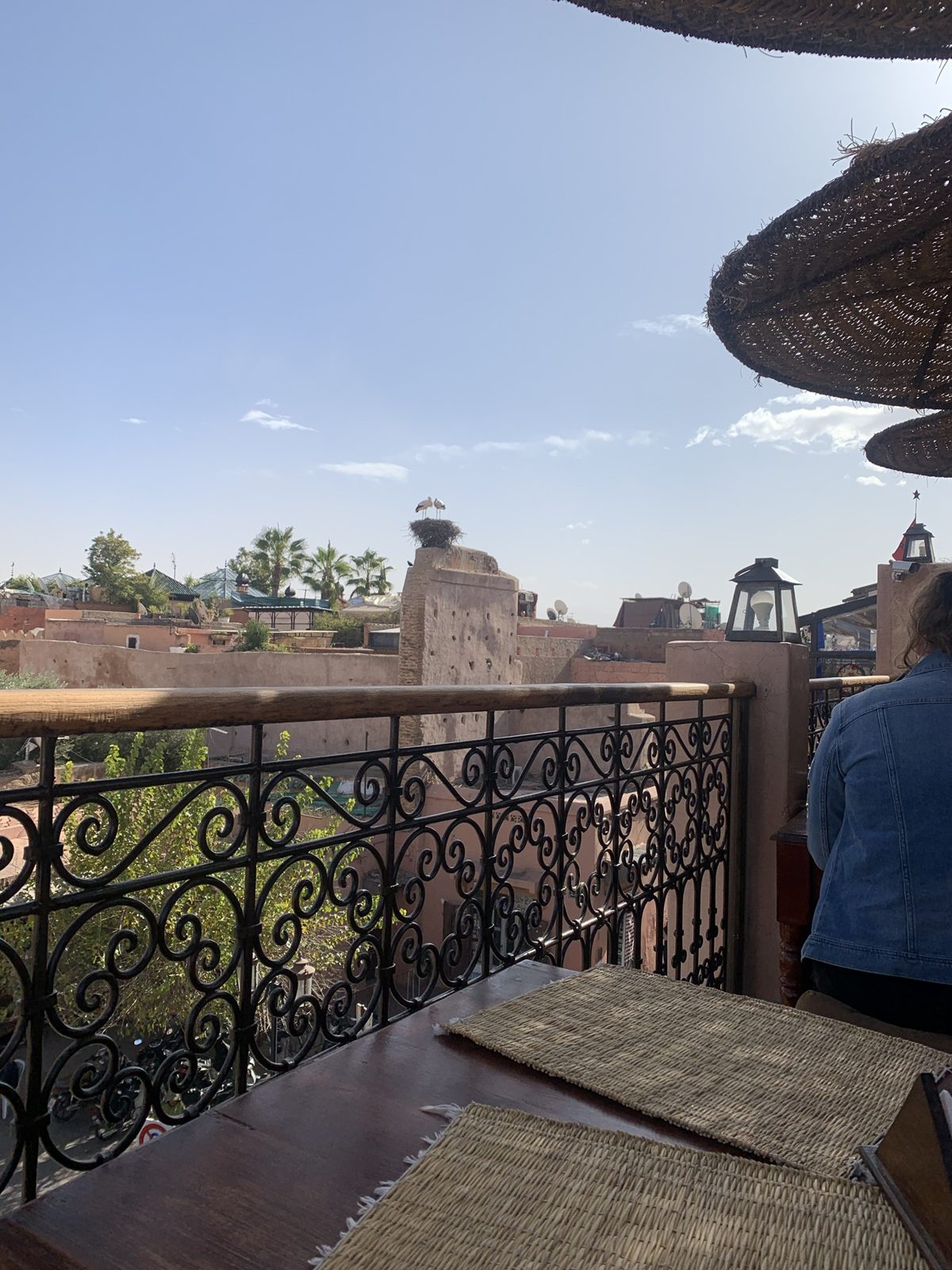
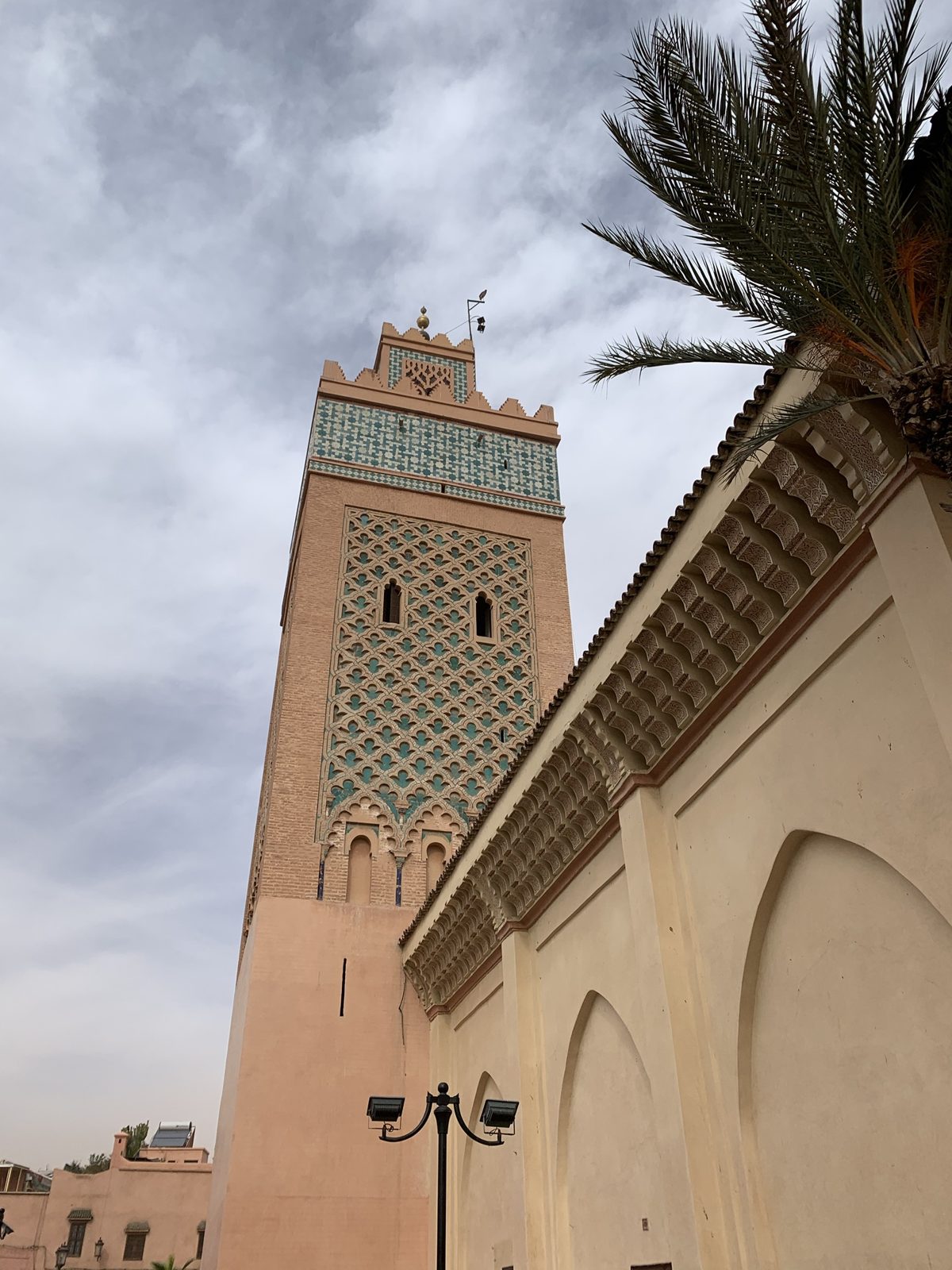
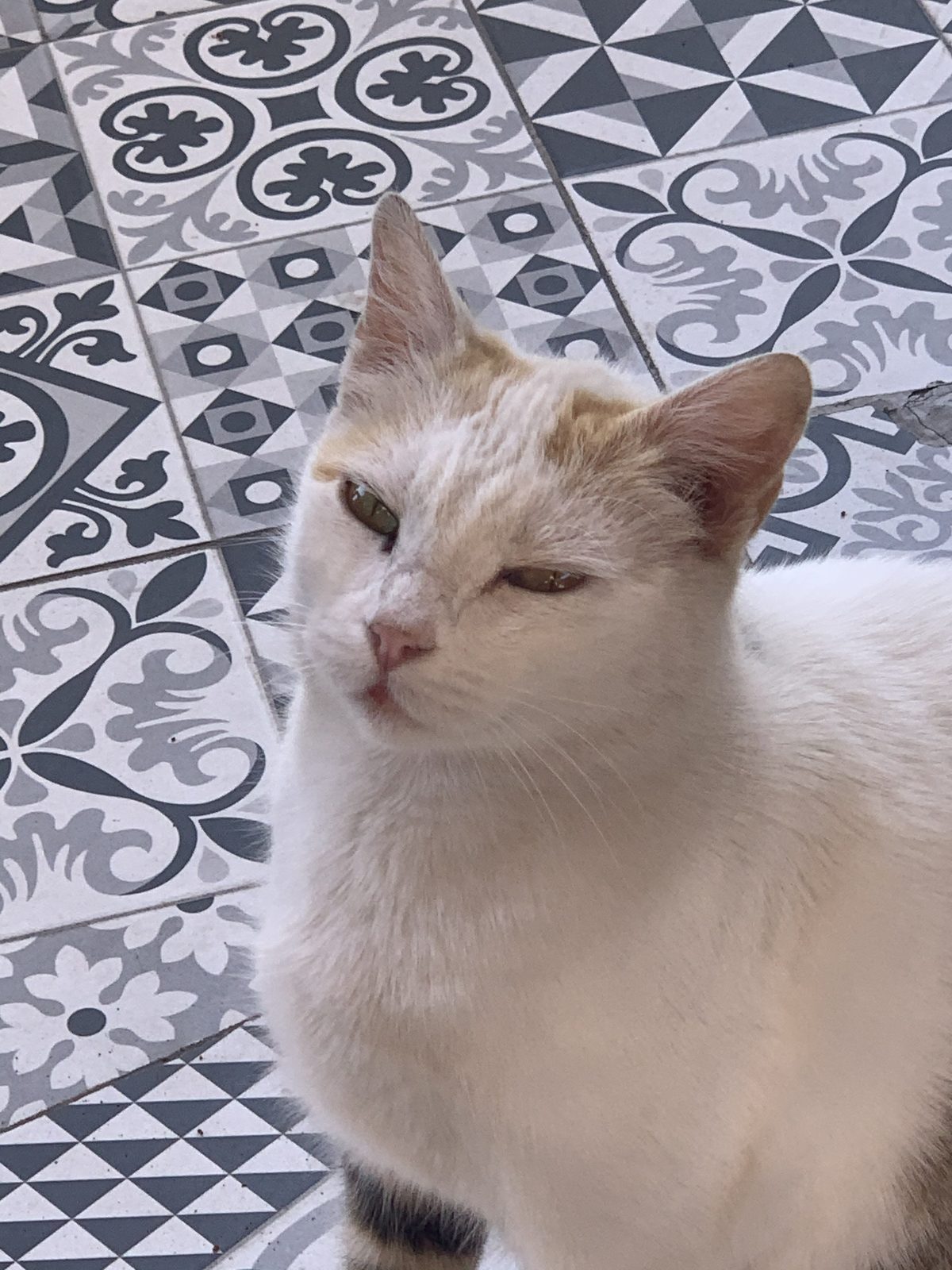
From there, the mosque and the Saadian Tombs. Like everywhere in Marrakech, there are street cats, a lot of them.
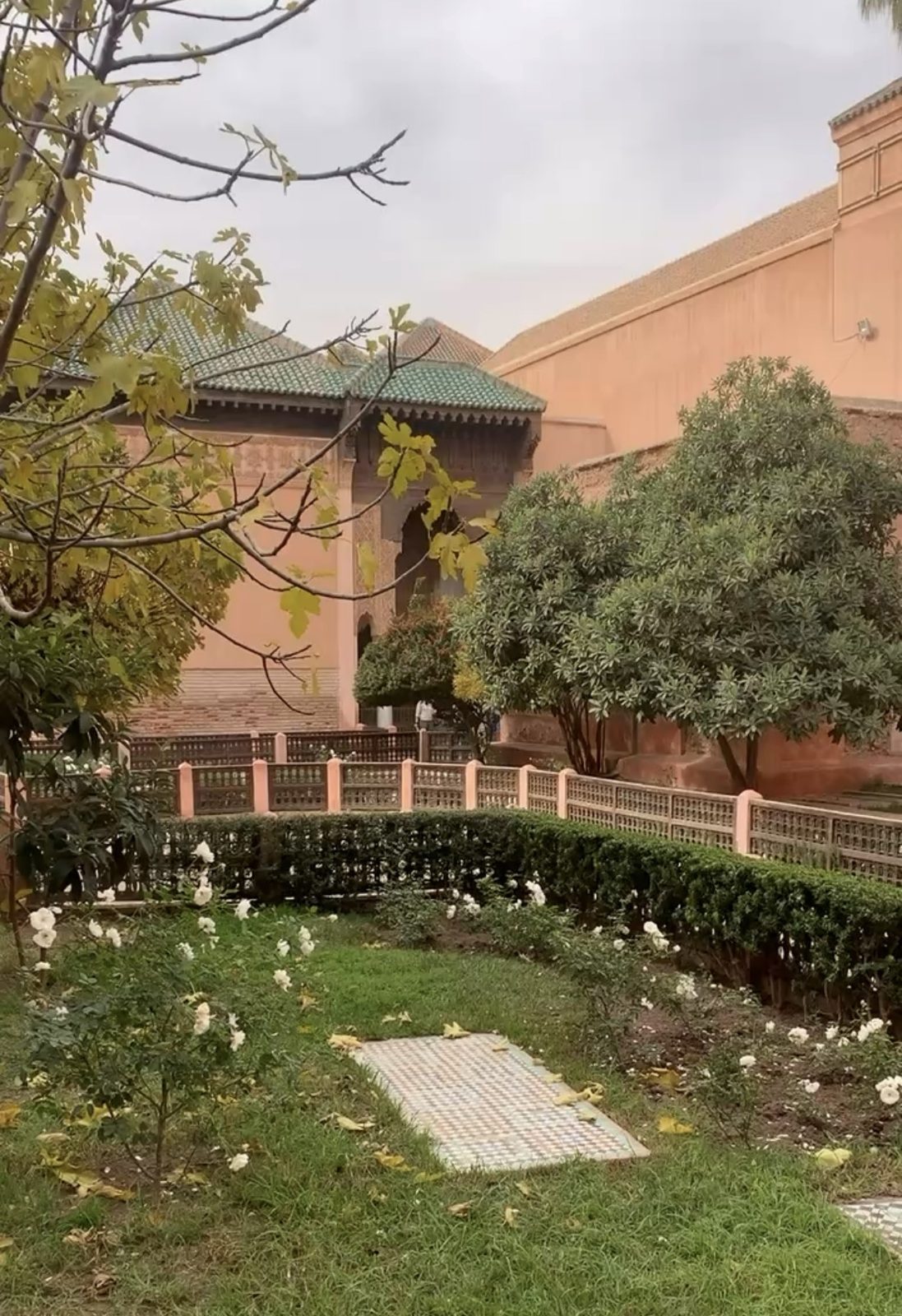
Like La Mamounia, the tombs are their own little oasis: quiet and green, and some parts even look like the hotel. It feels completely different from the street outside.
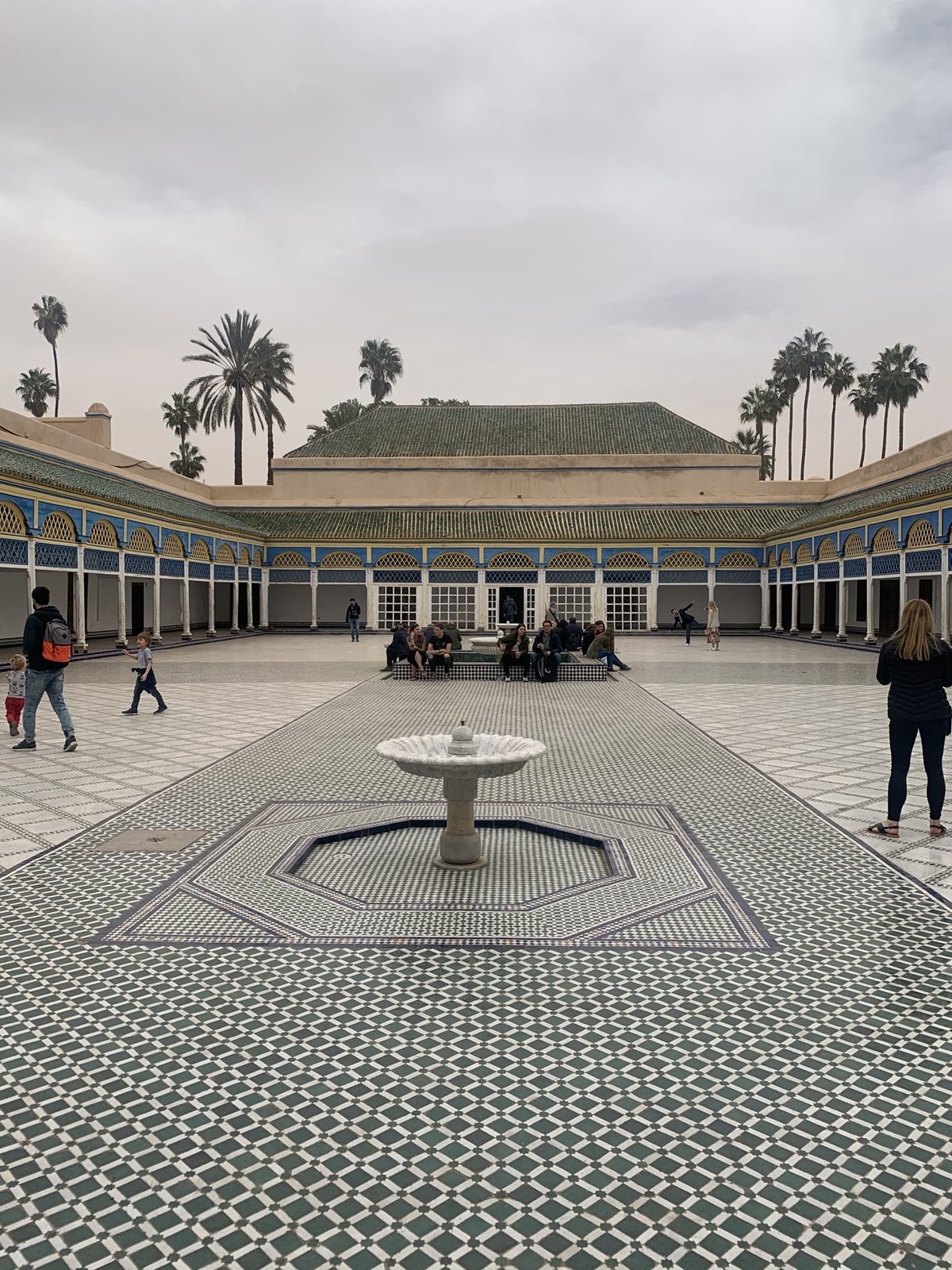
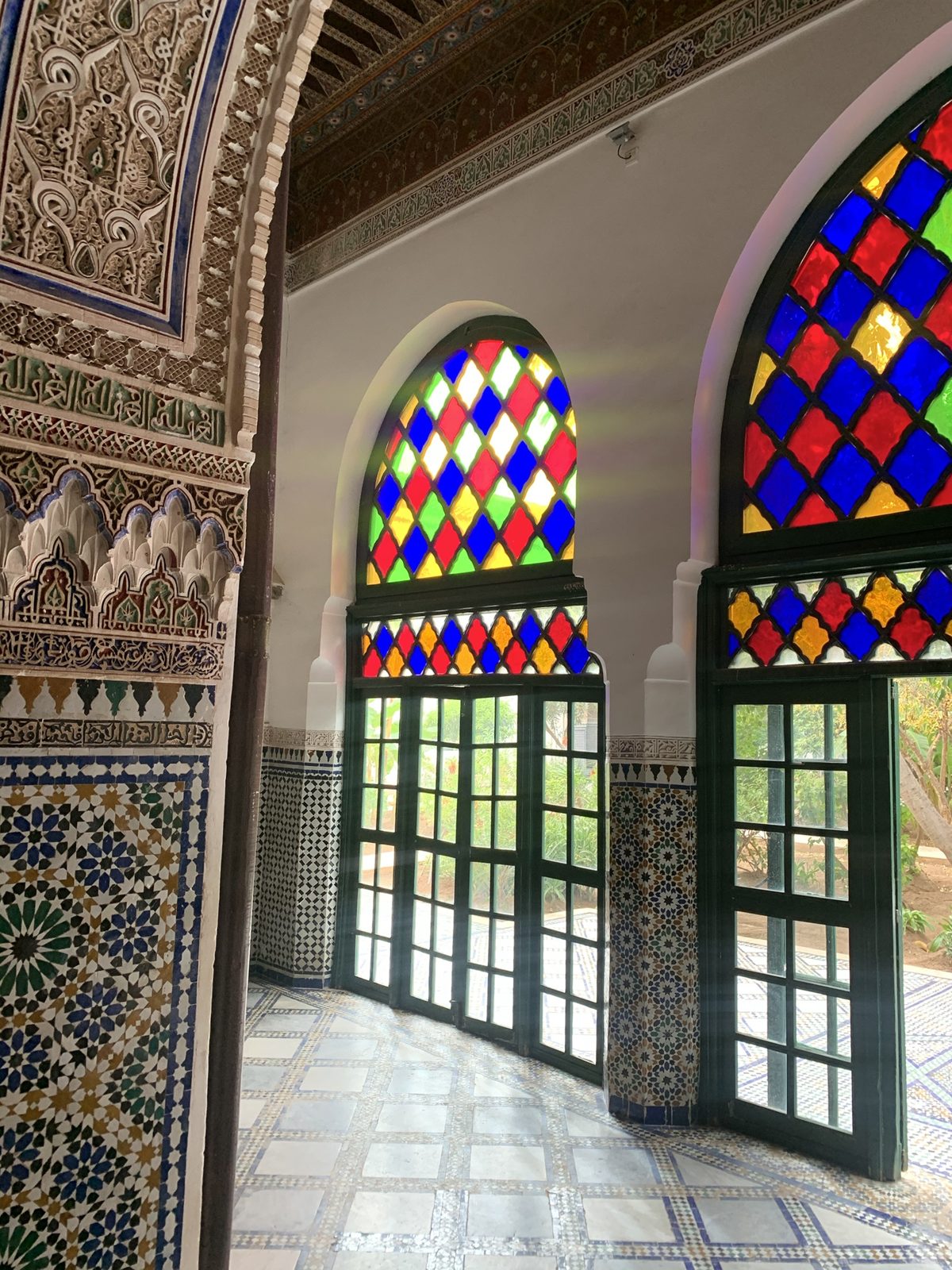
Then the Bahia Palace, also close by, and not too crowded. It’s grand, with a big courtyard in the middle, palm trees at the back, and a second, shaded courtyard full of trees. We kept walking through the city for the rest of the afternoon, then went back to La Mamounia.
Day 3: The lake and Royal Mansour
Day three was the hotel’s day trip.
A maroon Range Rover picks you up at the hotel. Our driver was polite and friendly, had worked in Germany before, and drove very smoothly. At one point I wanted to find some Muscle Milk, so he offered to take us to a fitness store and helped us look for it.
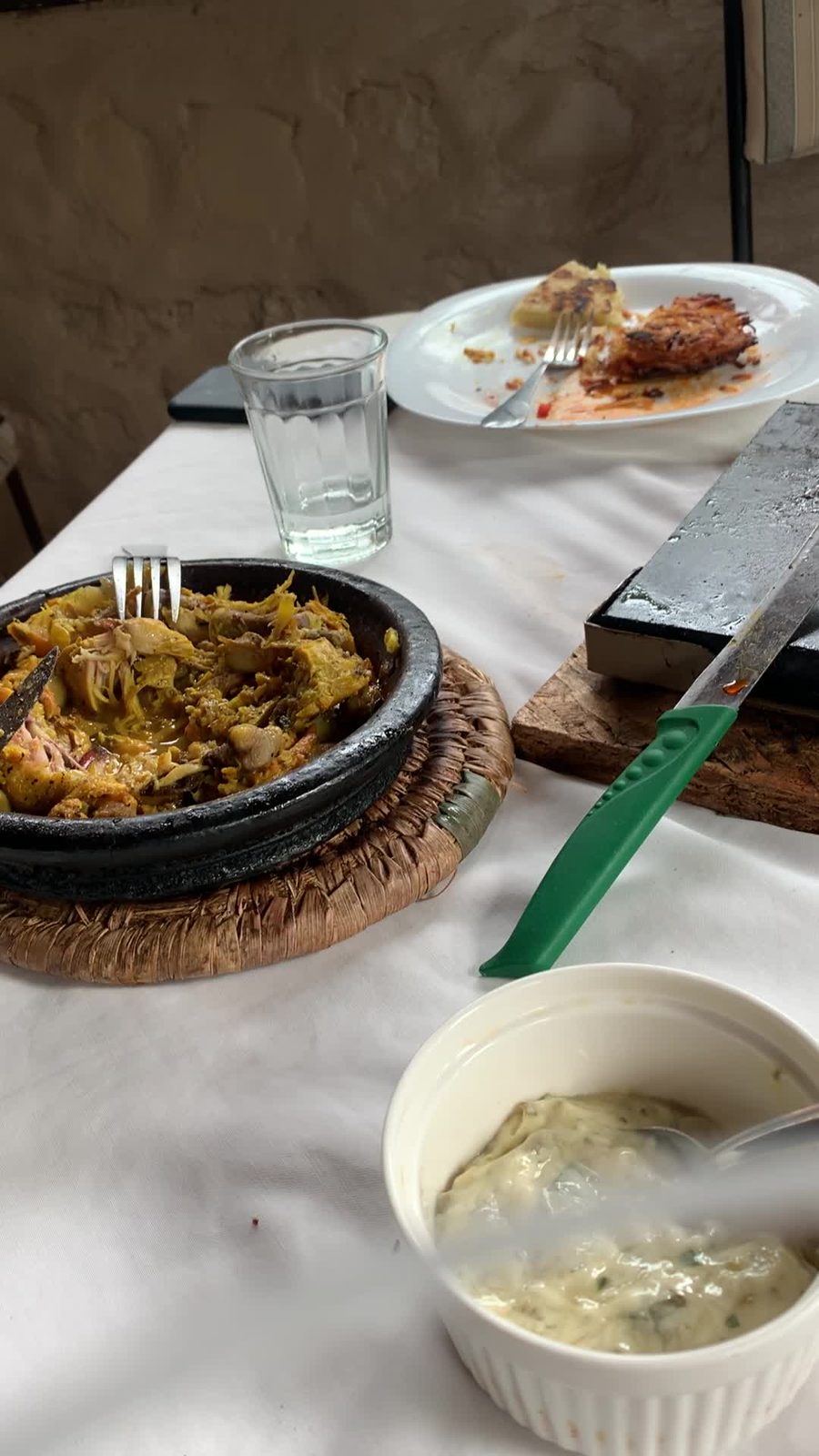
The trip heads south of Marrakech to Lalla Takerkoust, a lake about an hour out. Getting there already feels like an expedition: kasbahs in the distance, the desert, and you in a Range Rover with a driver who knows the country. Lunch was at Le Flouka, on the lake: typical Moroccan food and sausage. It felt empty in a good way. We were the only guests, peacocks walked around the grounds, and you could see the lake from the table. A very authentic start.
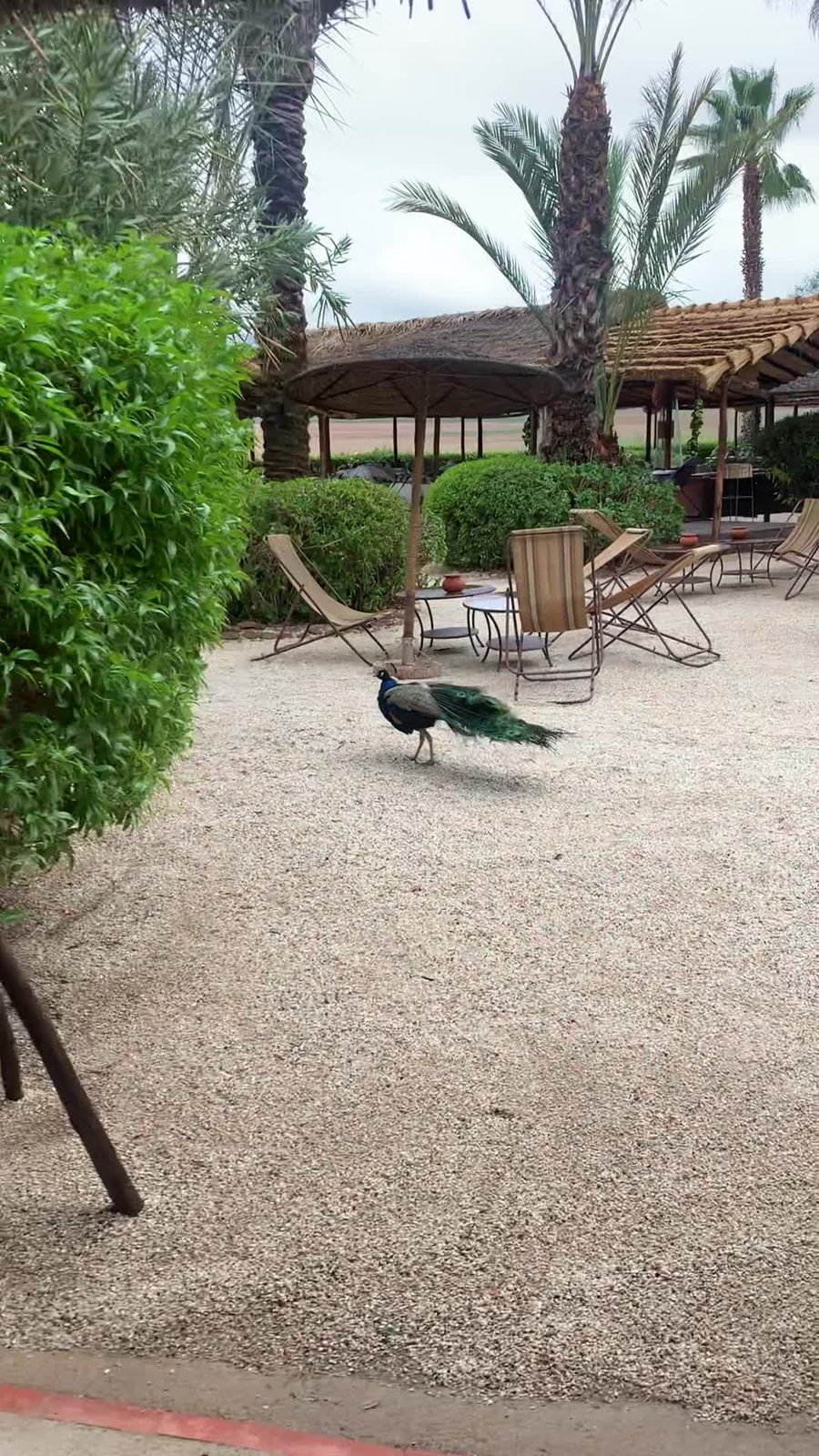
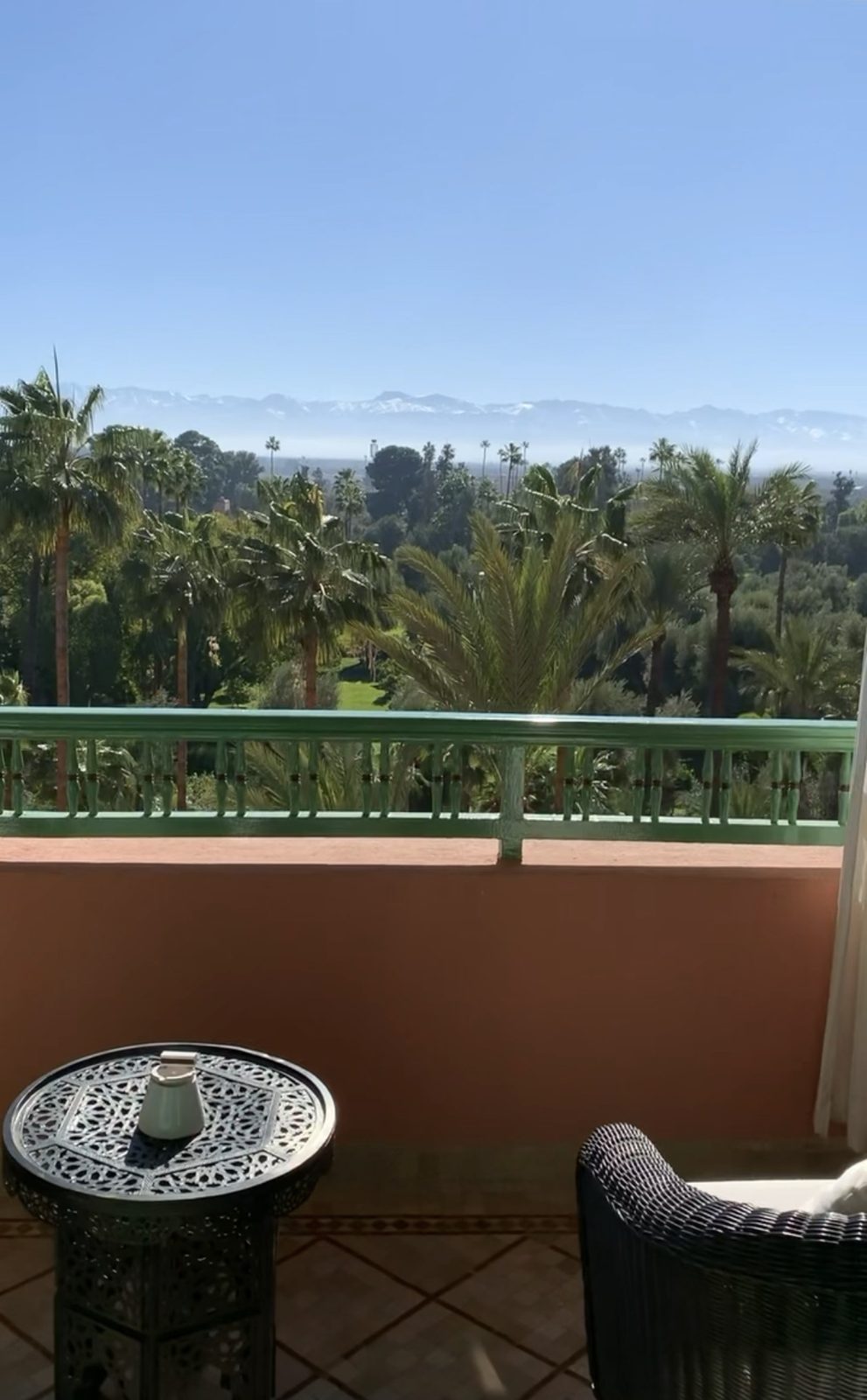
Then the car keeps going south into the hills, up winding roads past small villages. Farmers walk big herds right along the mountainside, and in the distance you can see the snow-covered Atlas, which we’d cross the next day.
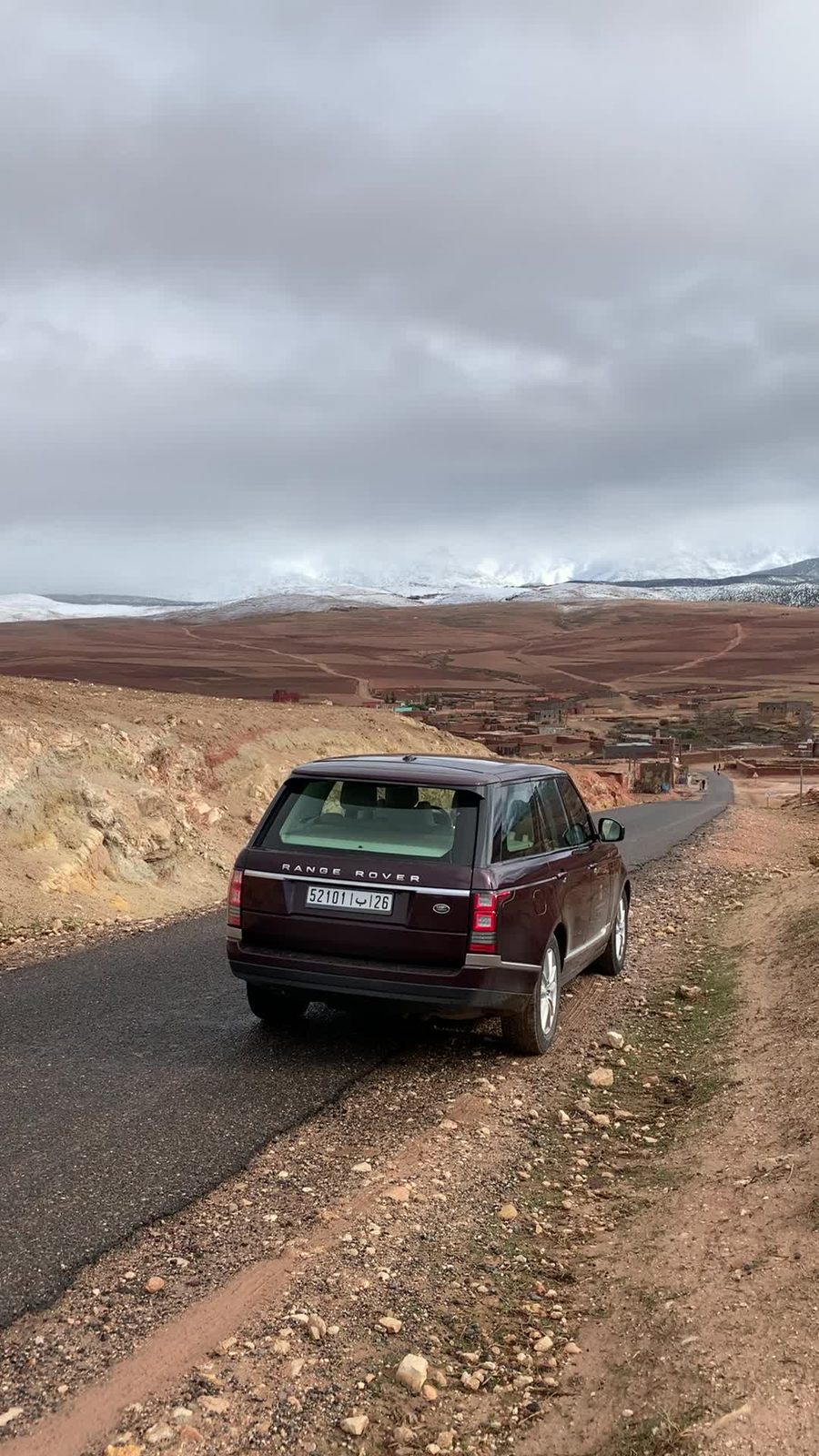
The driver stops whenever you want. Standing there looking at the mountains with the Range Rover behind you, it feels like a luxury expedition. You leave a little before noon and you’re back around 6.
For anyone who hasn’t been, Morocco is unique for two reasons. The landscape, desert, mountains and red earth, is like nowhere in the US. And it’s such an old country that everything feels different.
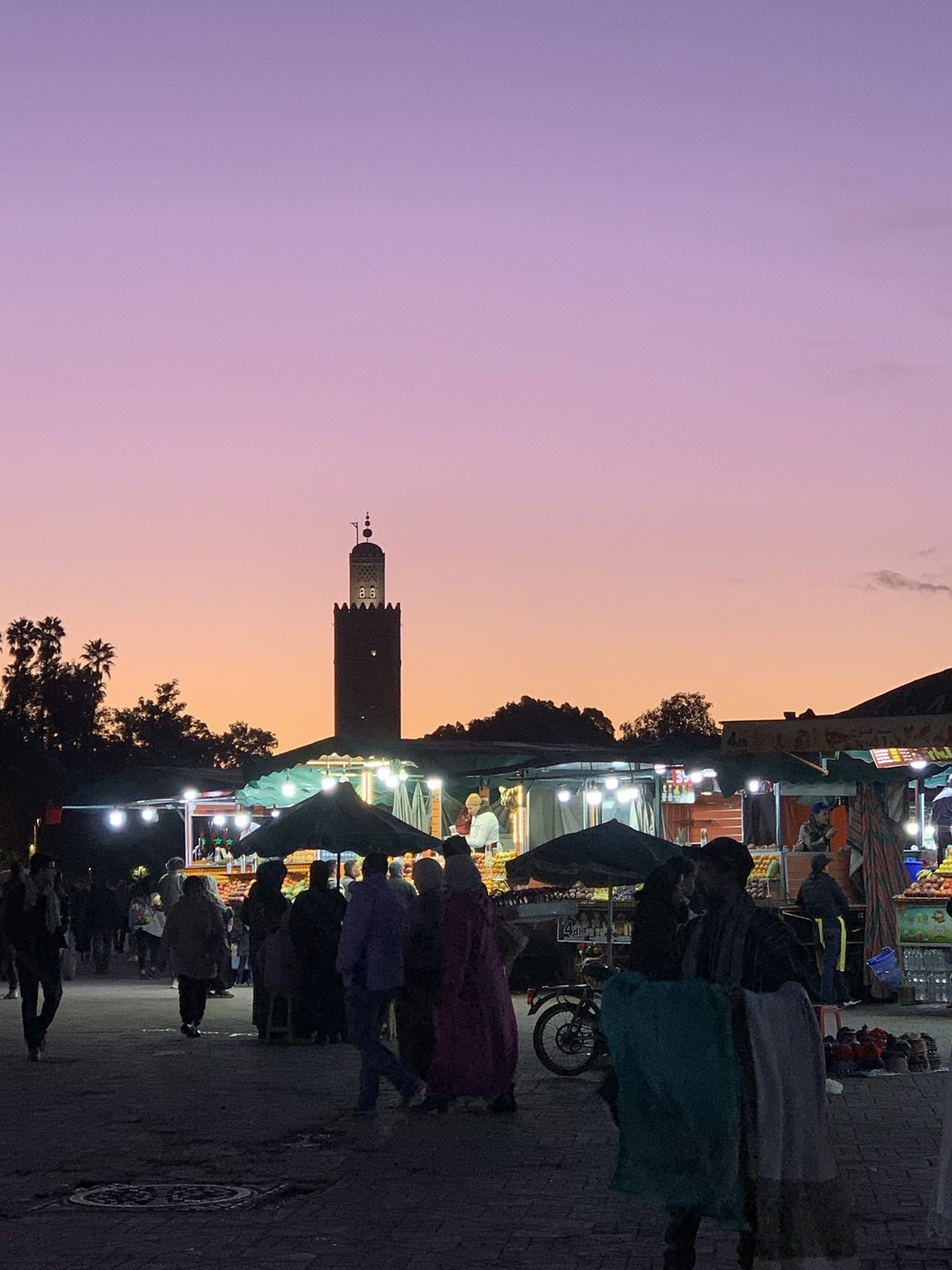
That evening we walked through Jemaa el-Fnaa, the main square, and into the souks, starting with the olive souk. For my first time in Morocco, or really anywhere in the Middle East, it was very cool, if a bit touristy: crowded, with so many shops. The haggling wasn’t too aggressive. We didn’t buy anything, but eating in the medina is cheap compared with the hotels. Food guides put a tagine at a local medina restaurant at around 50 to 100 dirhams ($5 to $10), versus several times that on the tourist rooftops around the square. Fresh orange juice in Jemaa el-Fnaa is around 10 dirhams in the evening. Agree on the price first.
Then dinner at Royal Mansour, which topped off a very Moroccan day. There was a Bentley out front when we pulled up, I believe the hotel’s car.
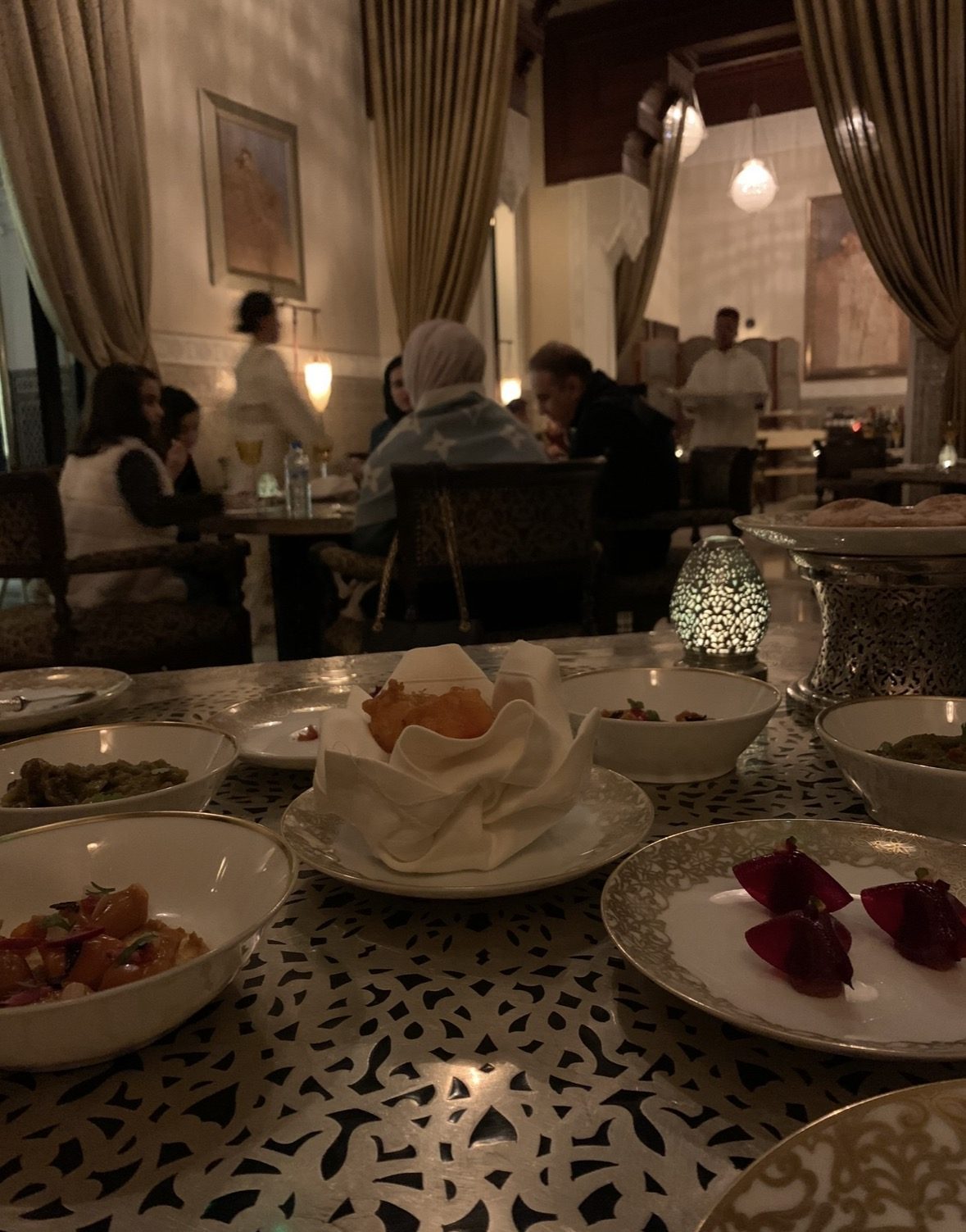
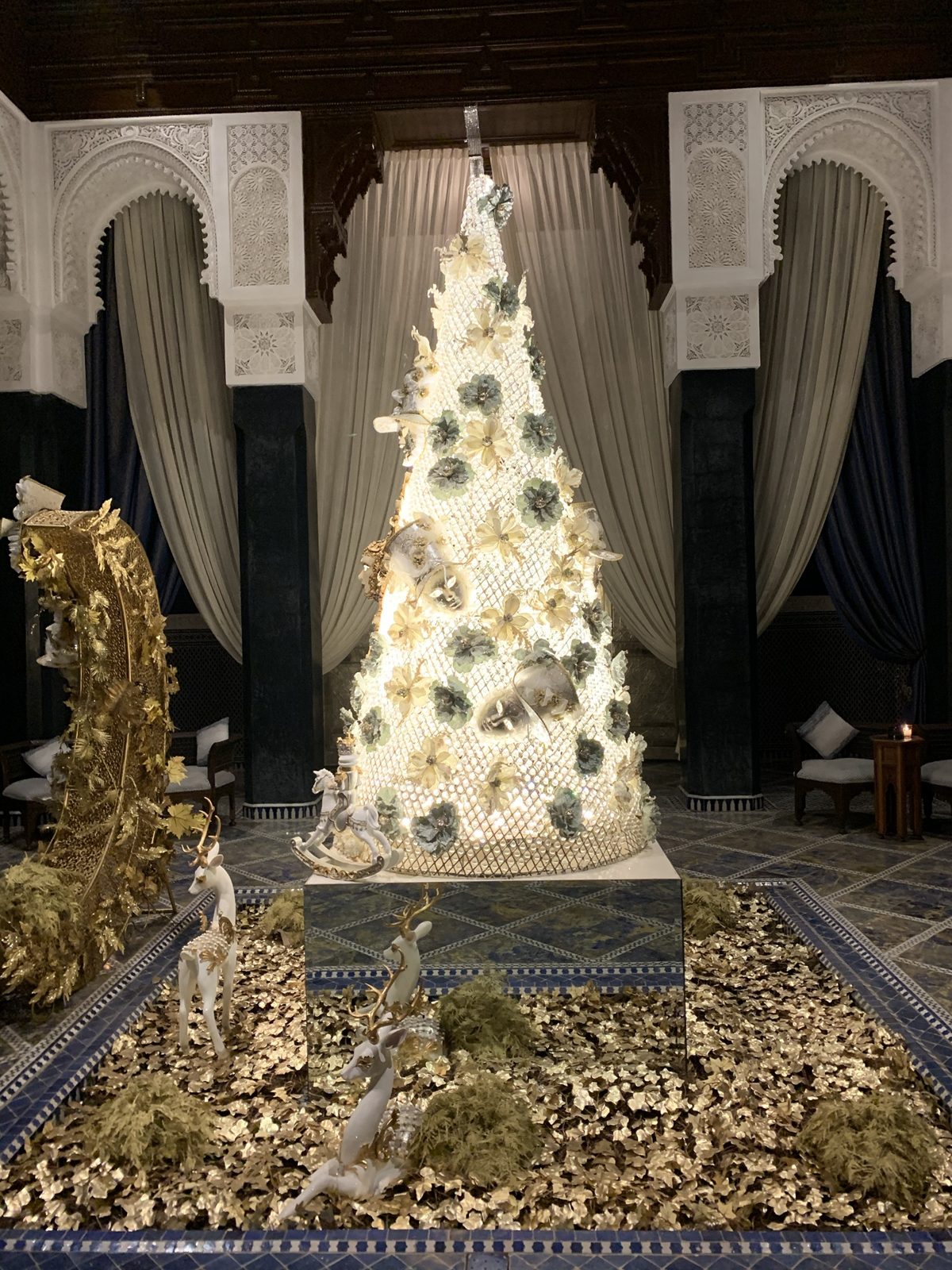
Inside, there’s a brightly lit Christmas tree and a very luxurious lobby. It feels like an Arabic film: quiet, very exclusive, almost like an Aman. We had the traditional assortment of Moroccan salads and starters, and the food was great. It’s not cheap, about $239 a person in 2019, so expect more now. But it’s a unique experience, and I recommend it.
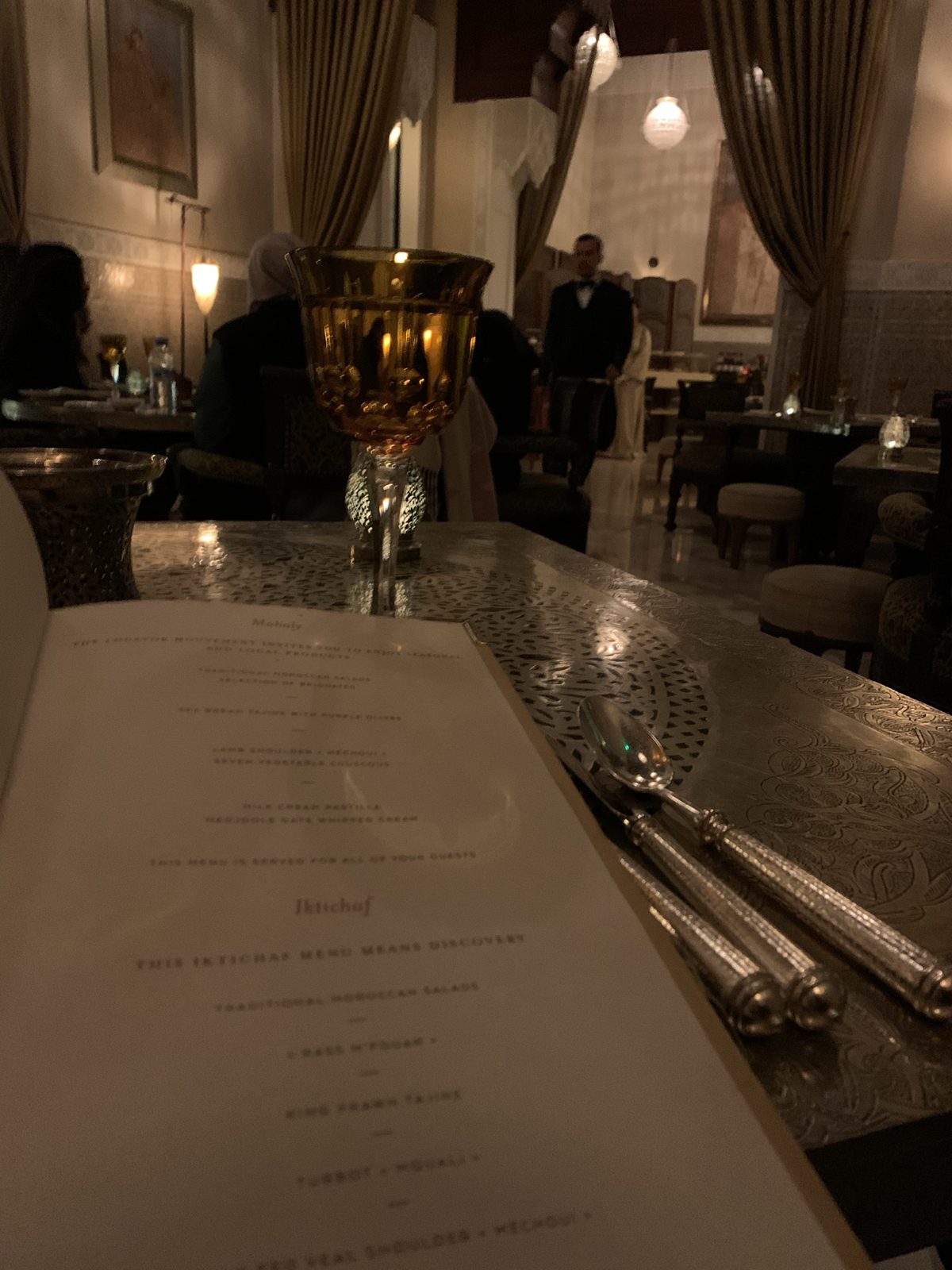
Royal Mansour vs. La Mamounia. Both feel highly Moroccan. Royal Mansour is the more exclusive and a little more elevated of the two, but also a little stuffier, which La Mamounia never felt. La Mamounia sends you off in Porsche Panameras and Range Rovers; Royal Mansour uses Bentleys. Royal Mansour’s restaurant was very quiet even with people in it, and at Christmas the hotel was a little more decorated, with more ornaments outside. I’ve only eaten at Royal Mansour, not stayed, so this is a first impression.
Day 4: Over the Atlas
This is where the Desert Experience really starts. A different car and driver pick you up, and you head into the Atlas Mountains. The roads are narrow and not great, but the mountains get closer and closer, and the atmosphere changes. A lot of it is completely empty, and it gets colder as you climb into the snow. We stopped again and again for photos and videos.
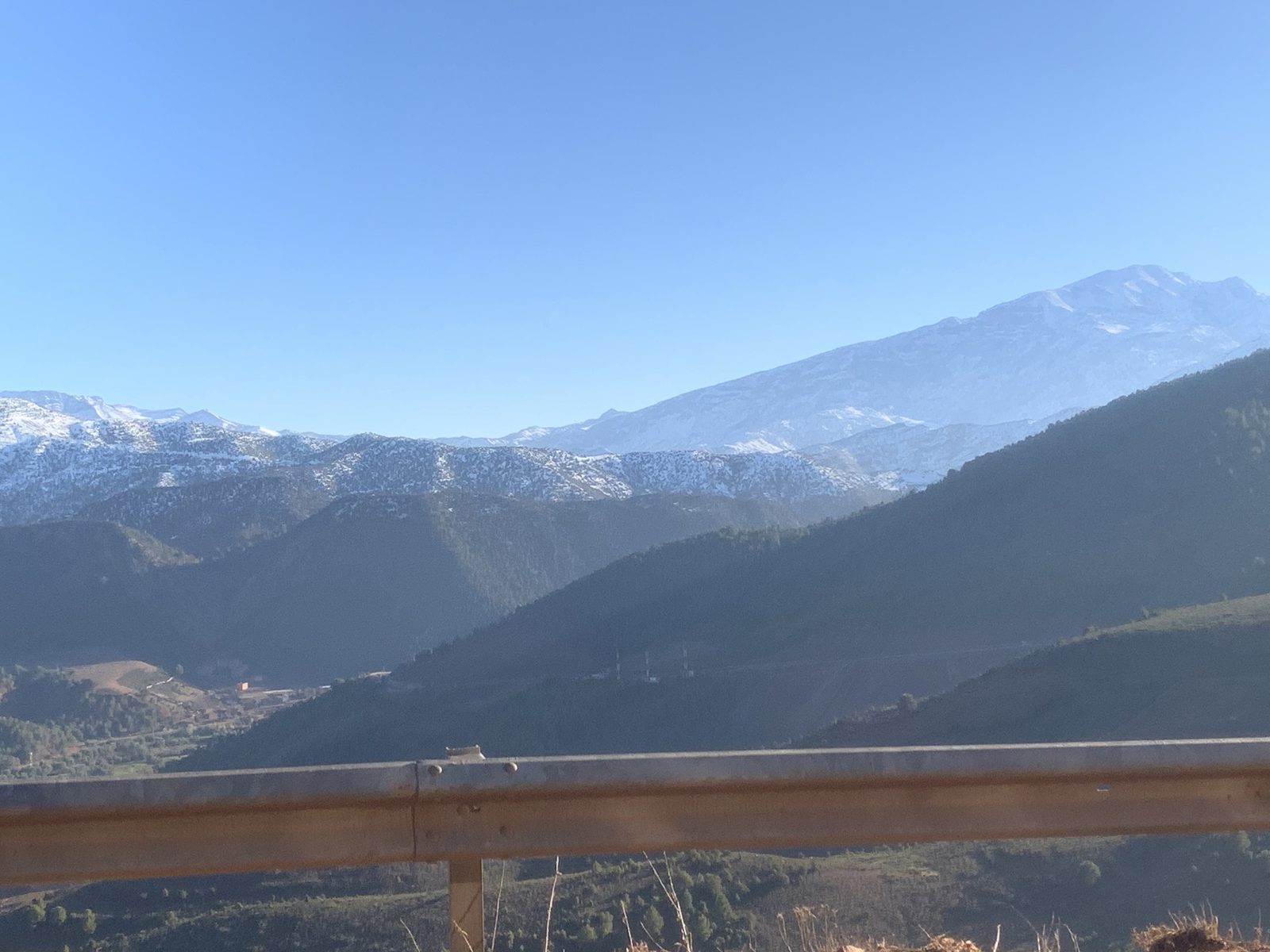
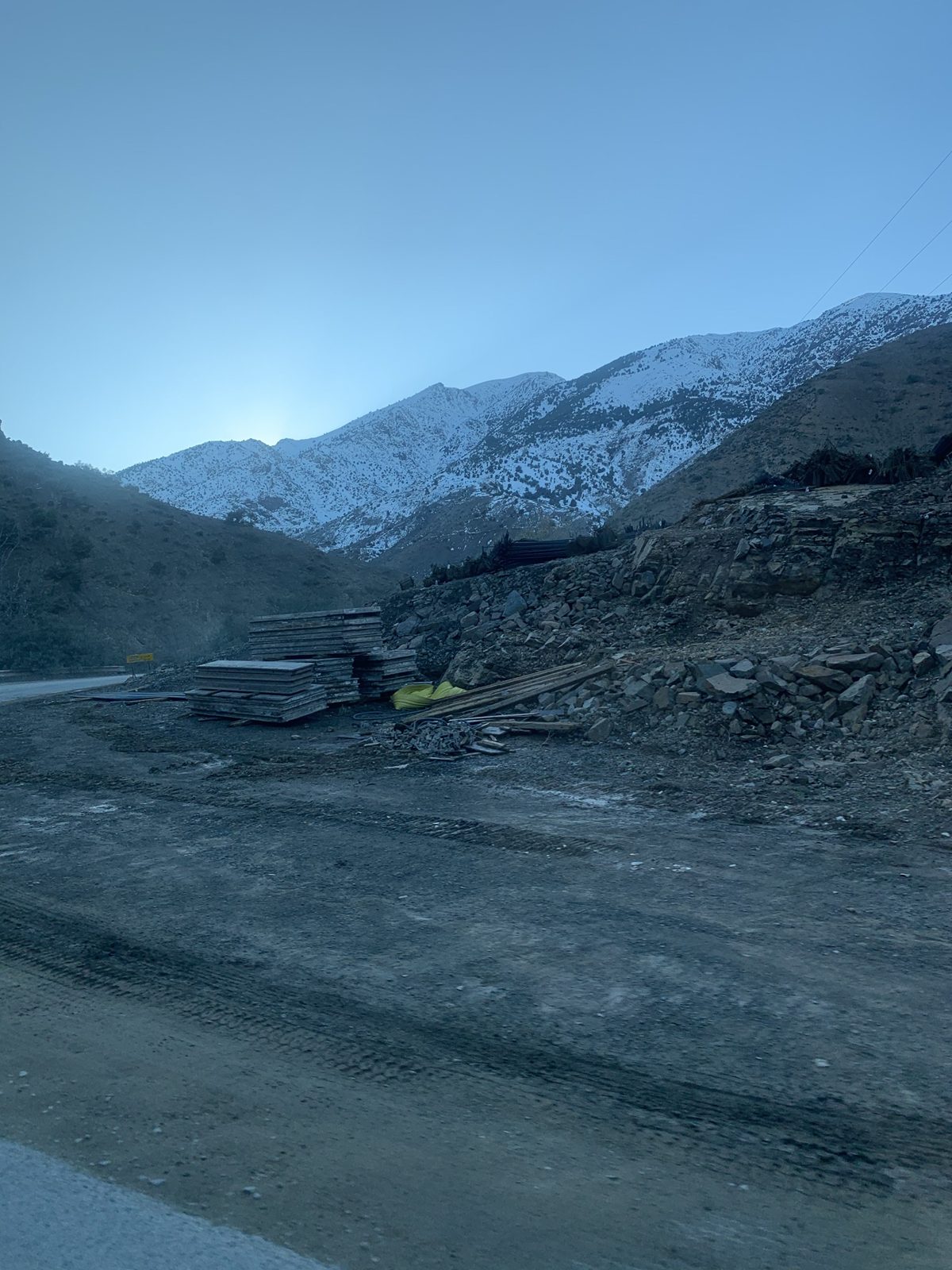
Coming down the other side, the landscape turns into red desert that looks like Tatooine from Star Wars. You pass through villages of beige, traditional buildings with the mountains behind them, carts in the busy streets, and sometimes empty houses out on the edge of town.
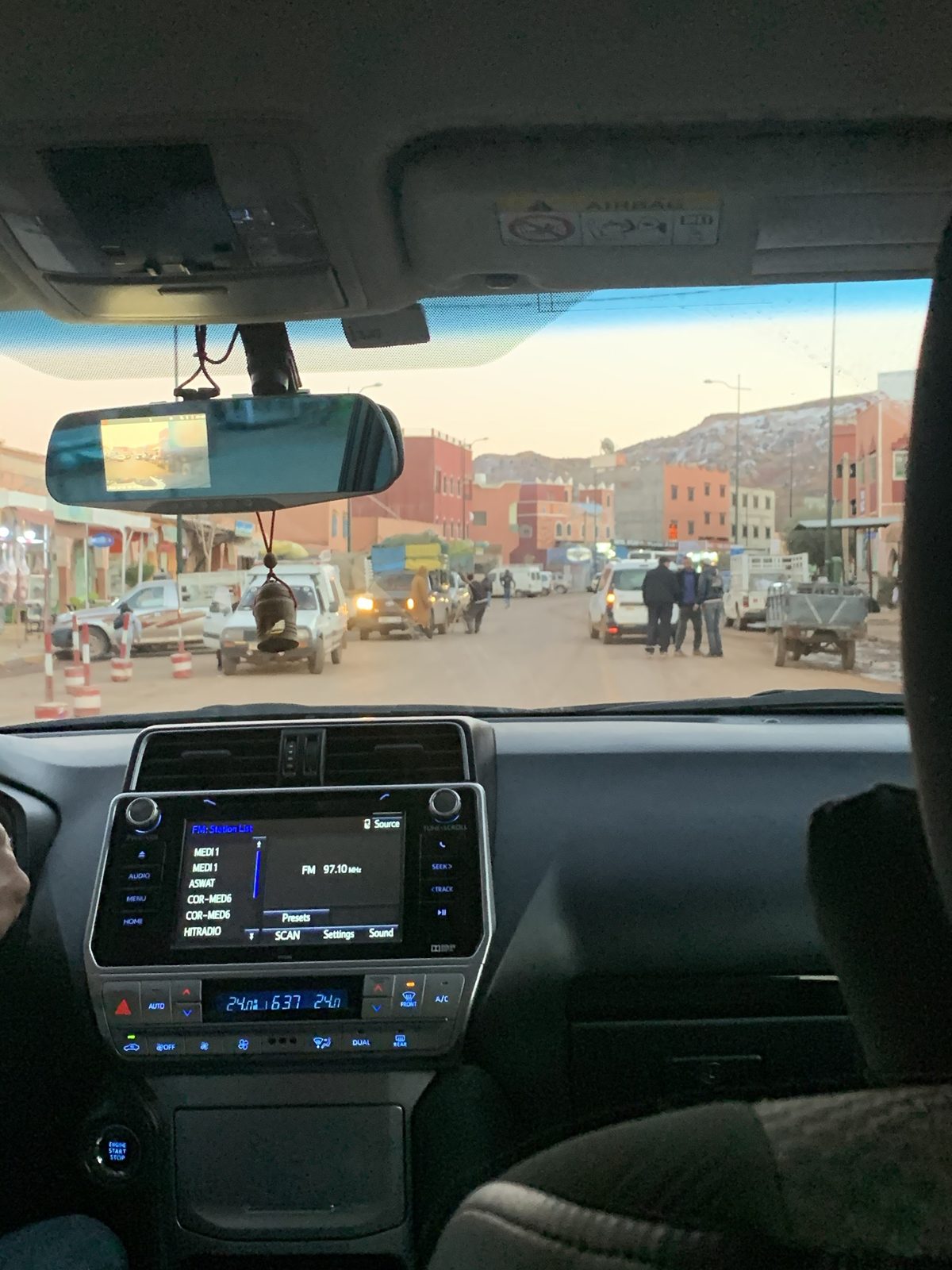
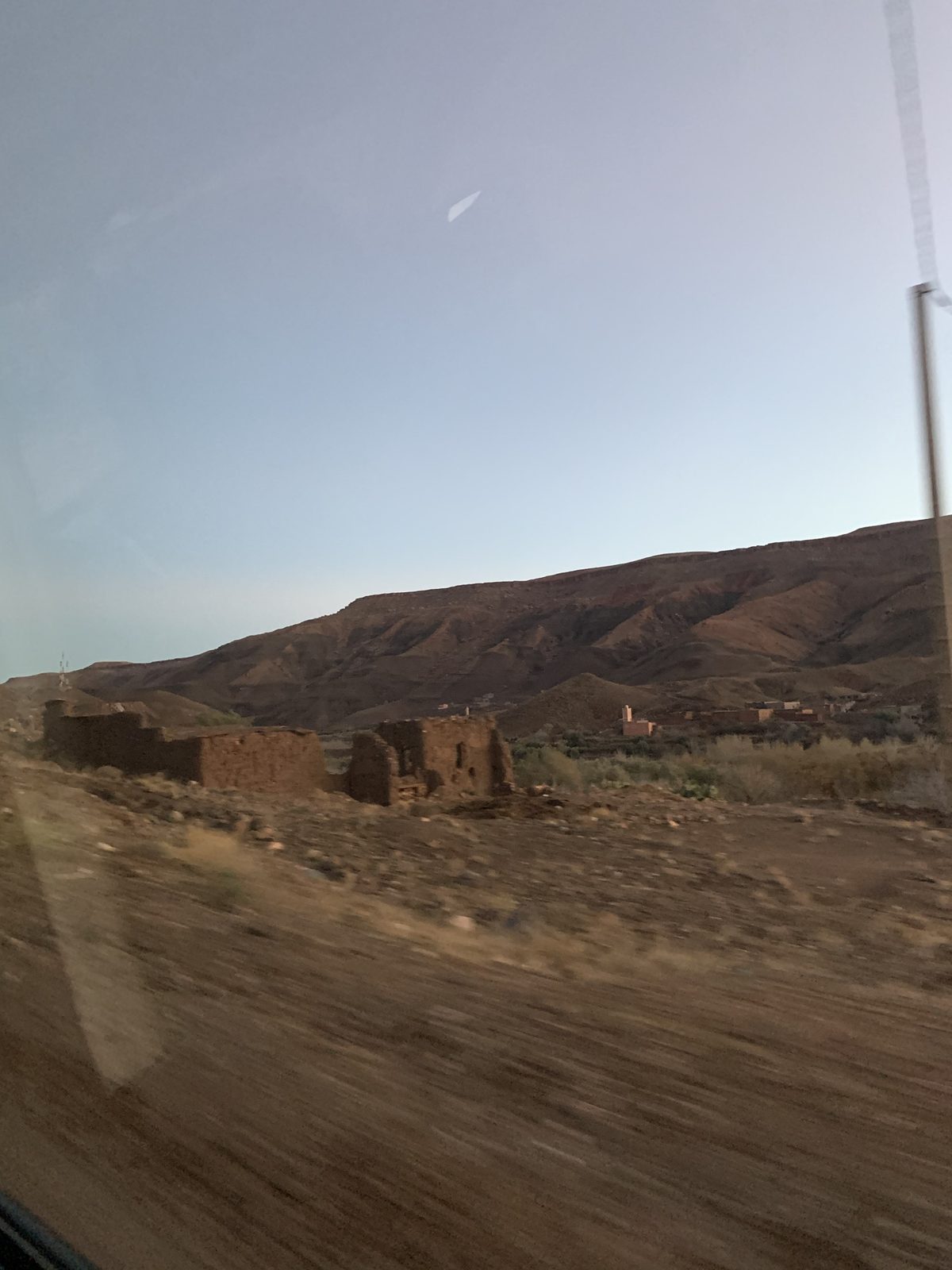
It’s about five hours from La Mamounia to Dar Ahlam, but it takes much longer, because you stop to eat, take pictures and walk around. That’s the point.
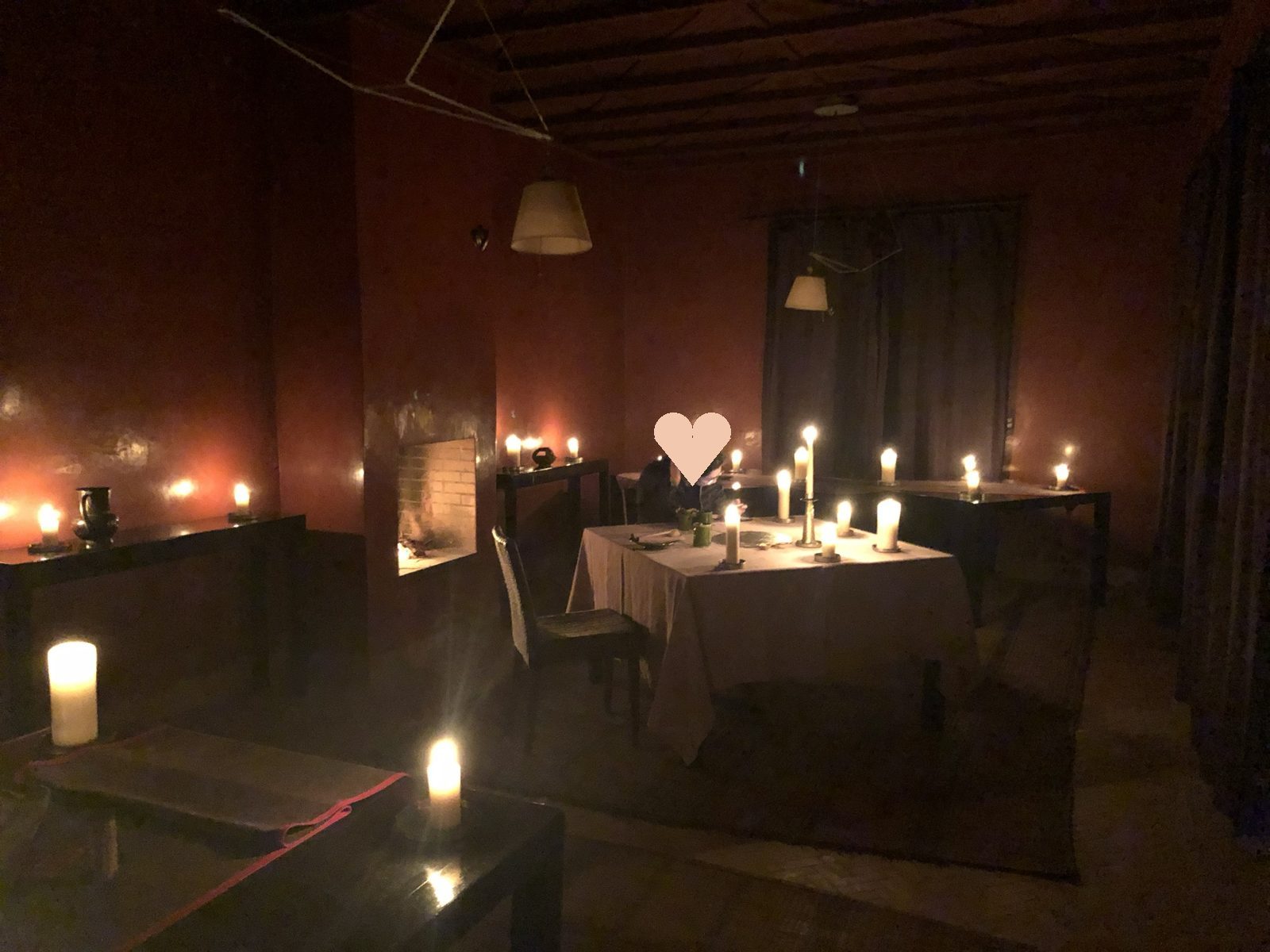
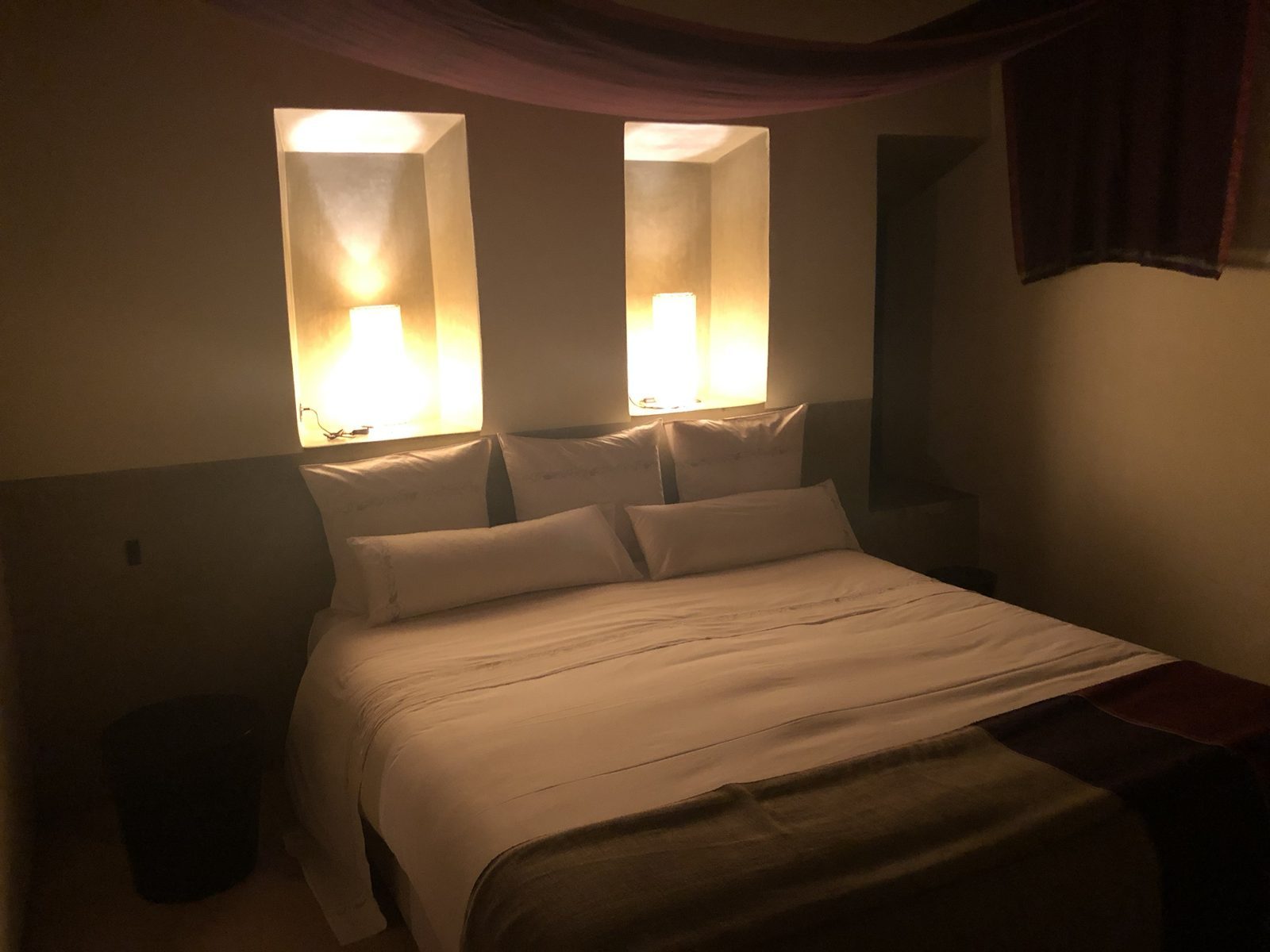
Dar Ahlam is a 200-year-old kasbah in the middle of nowhere, and it feels like someone’s private palace. There are no menus, meals happen in different rooms, and there’s a full staff you barely notice. I never saw another guest. After the long drive, they greet you with a traditional Moroccan dinner by candlelight, like a celebration of you coming home. Bread and soup, then a slow-cooked meat tagine with vegetables that you eat with your fingers and the flatbread, my favorite. An orange dessert with crumble to finish. The art is French and Moroccan, and falling asleep feels like a noir film. My full review is here.
Day 5: Into the dunes
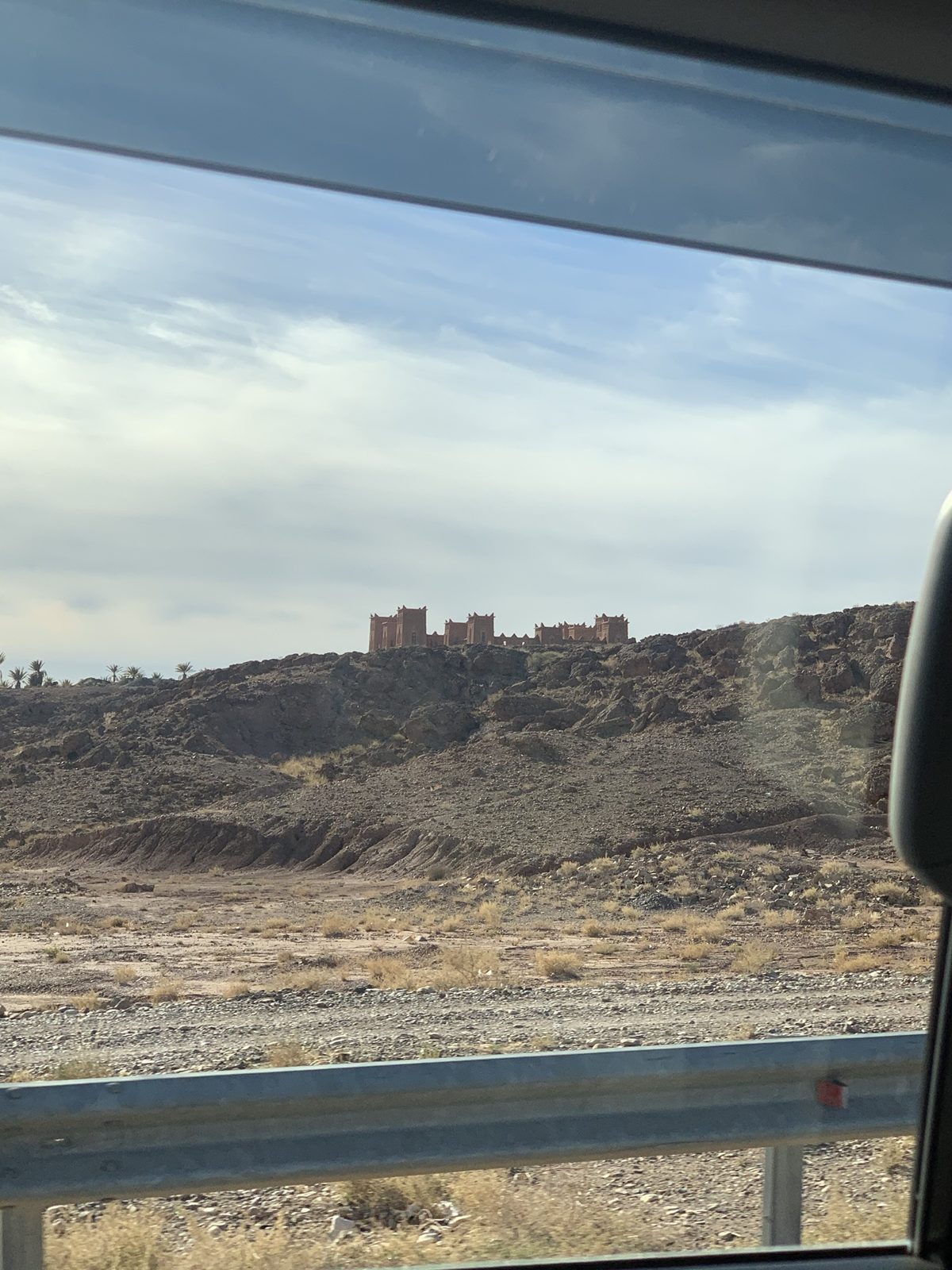
Breakfast at Dar Ahlam is the opposite of dinner: bright, in a room overlooking the pool, with msemen, the flaky Moroccan flatbread, and fresh juices that were incredible. Then you drive past kasbah after kasbah, through villages like Taznakht, and you can stop to look at the almost ruin-like buildings all along the desert road.
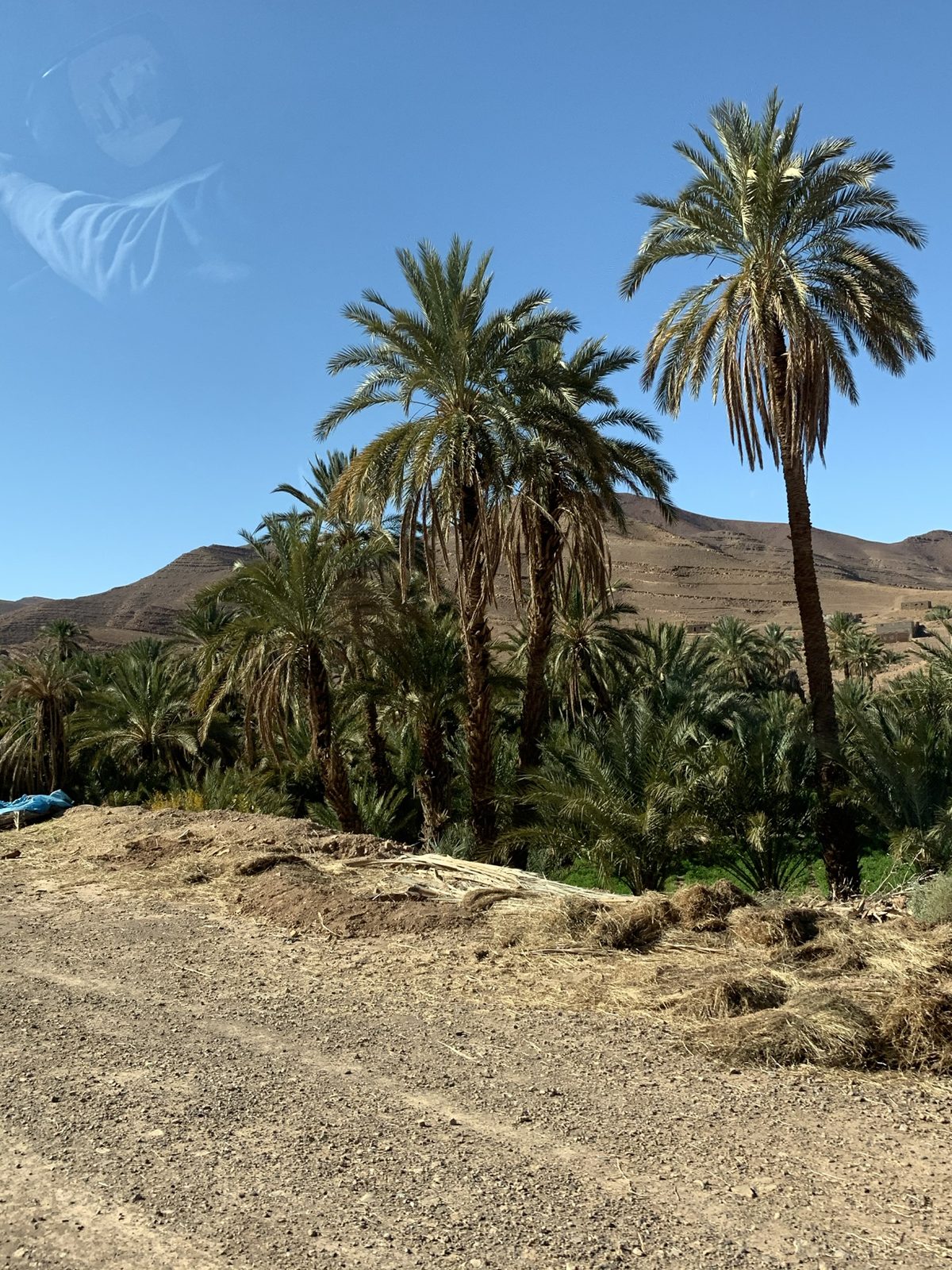
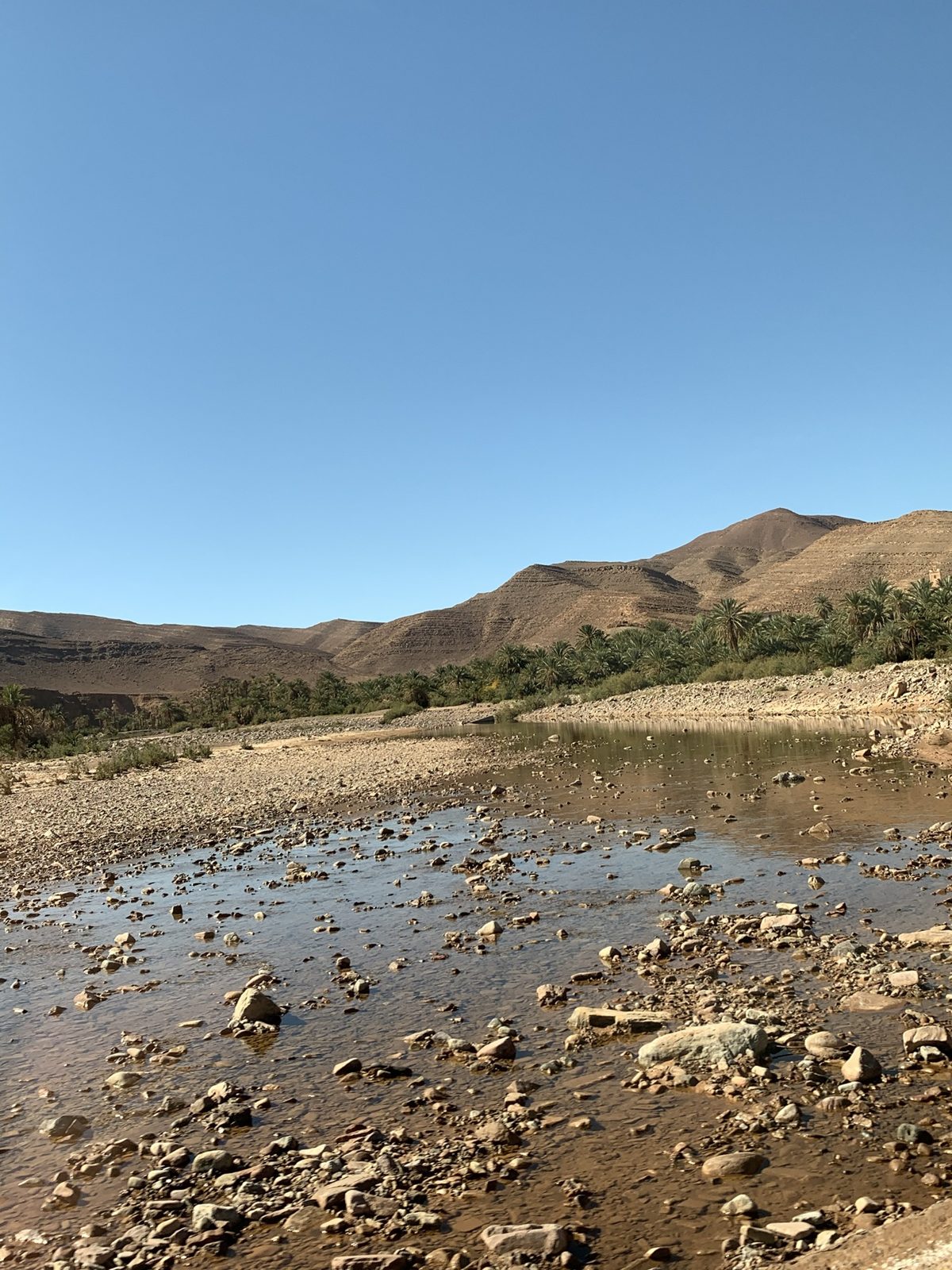
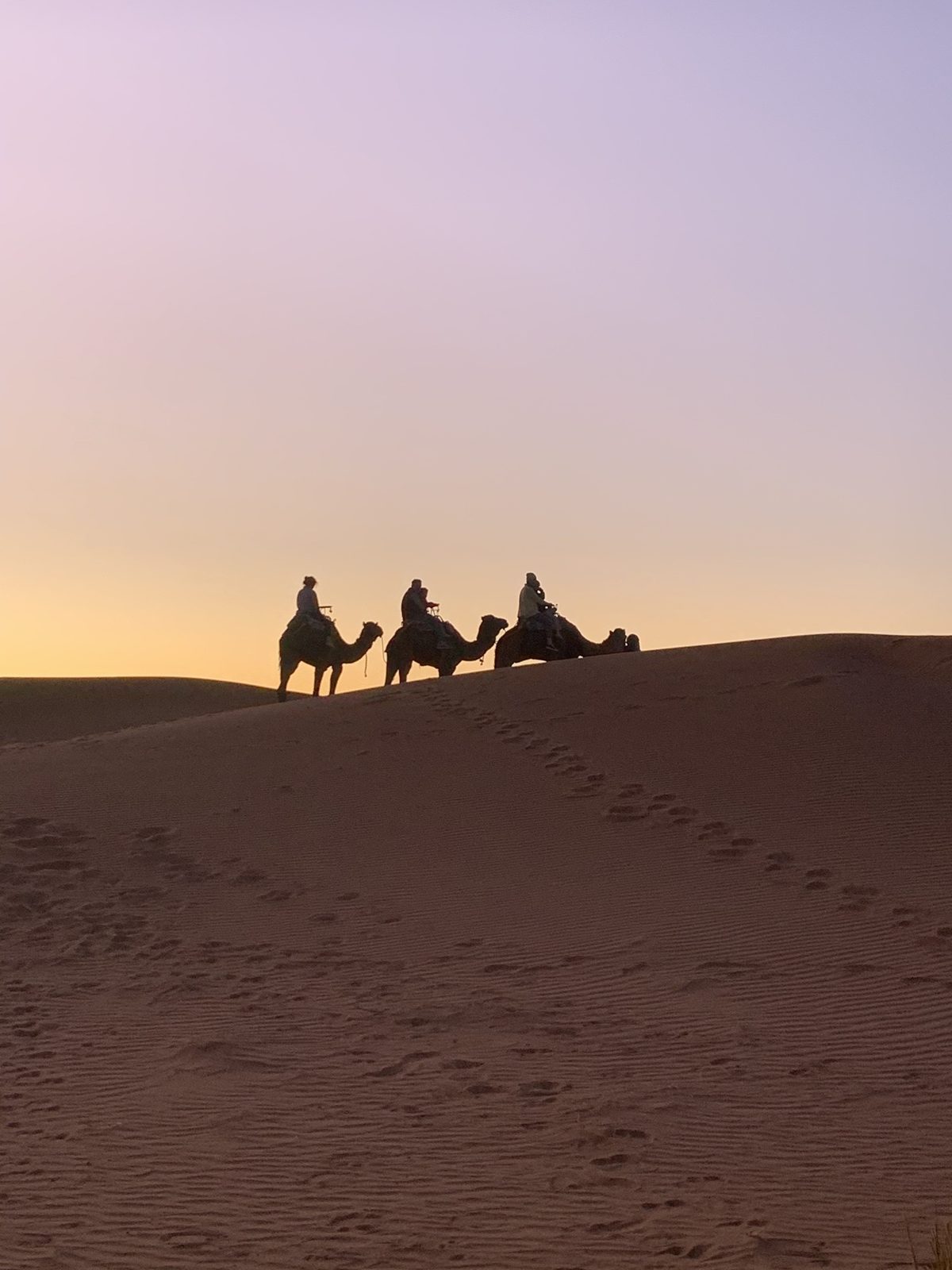
Around 5 or 6 p.m. you reach the dunes of Erg Chigaga. There are camels in the distance, and you can take photos and ride them.
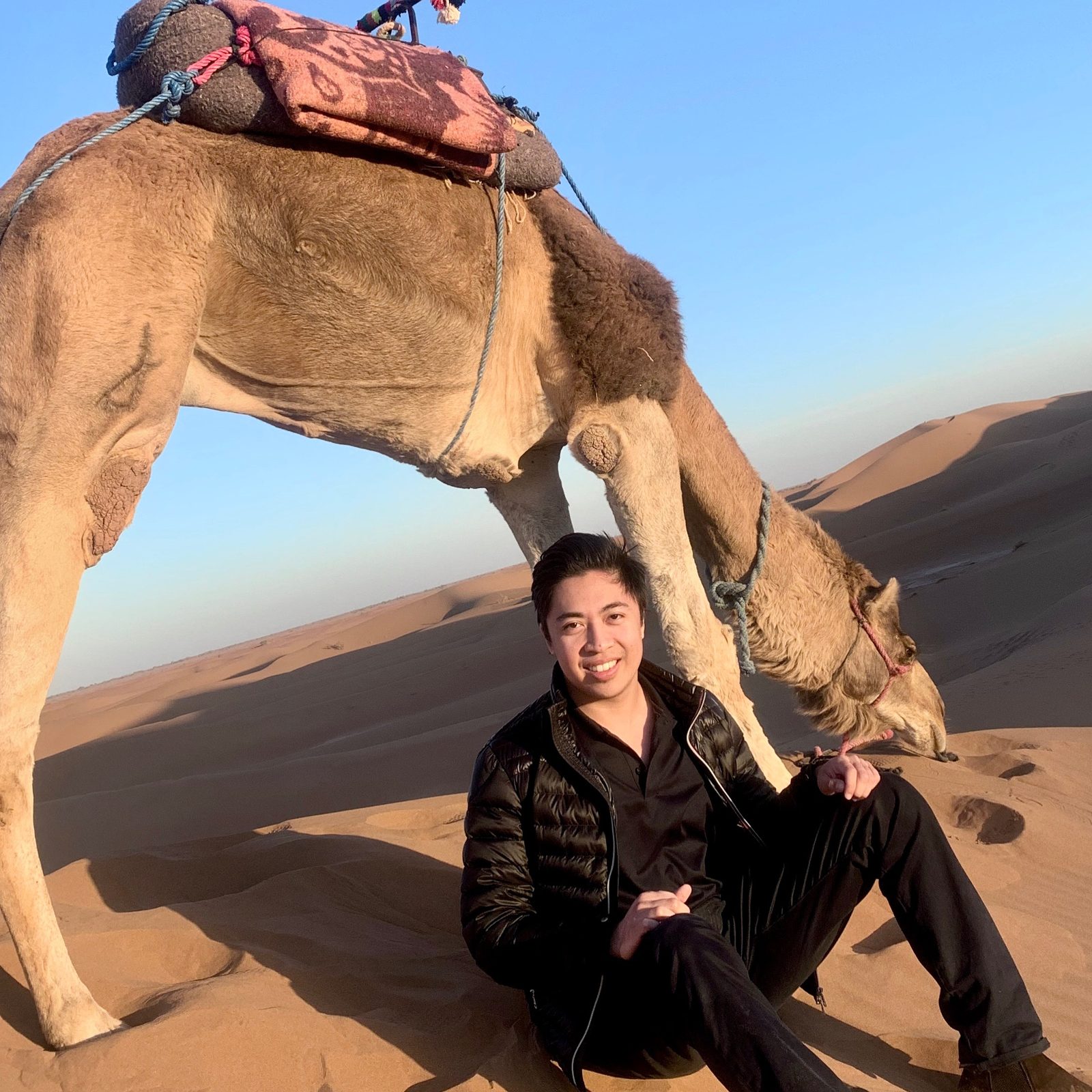
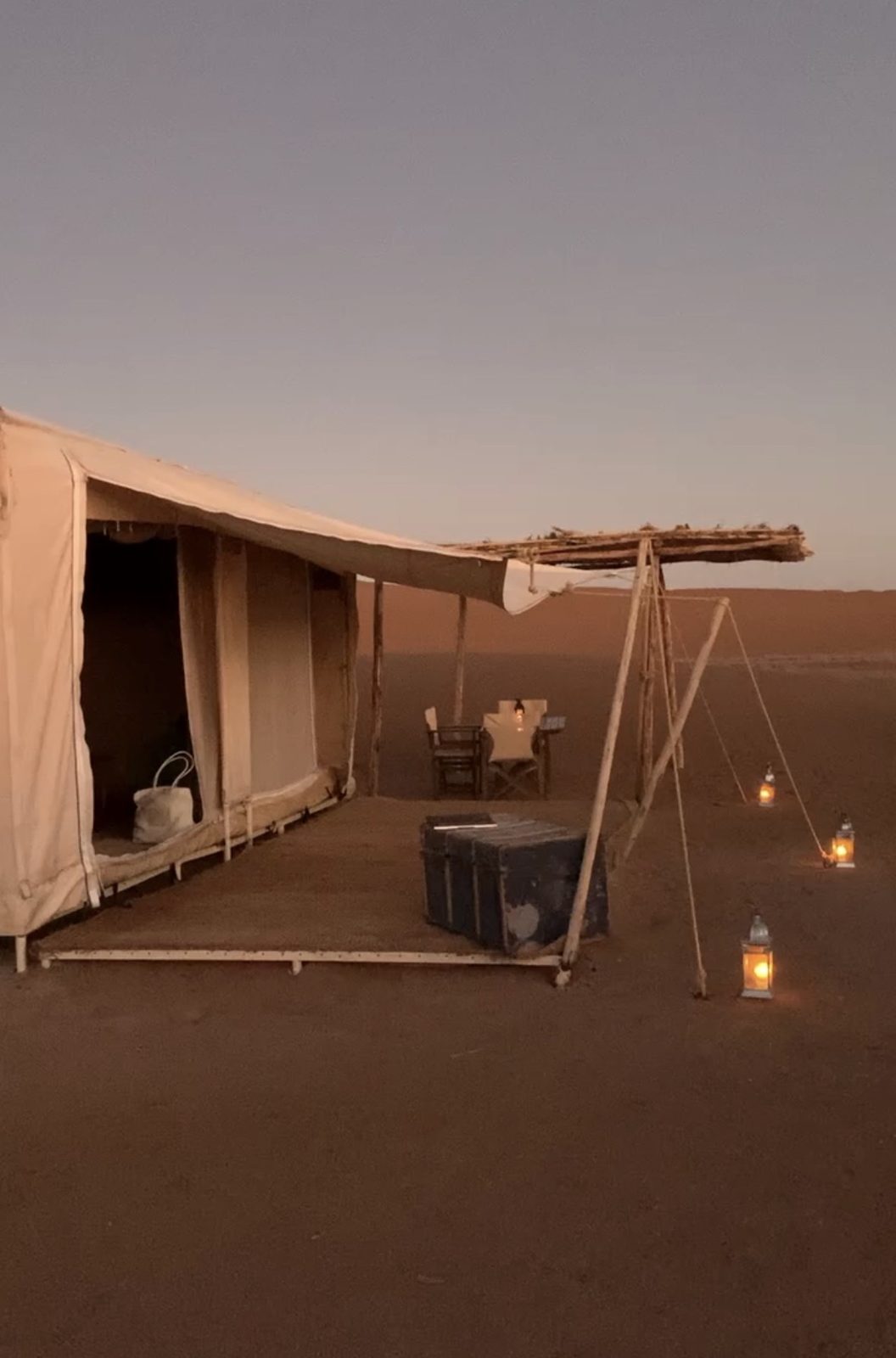
At the bottom, the Erg Chigaga Wild Desert Camp had two tents waiting, one for each of us, and a dining table set up in the middle of the desert. As it gets dark, the camels stand out against the sky, the candles on the table are lit, and dinner starts. It’s one of the most memorable dinners I’ve had.
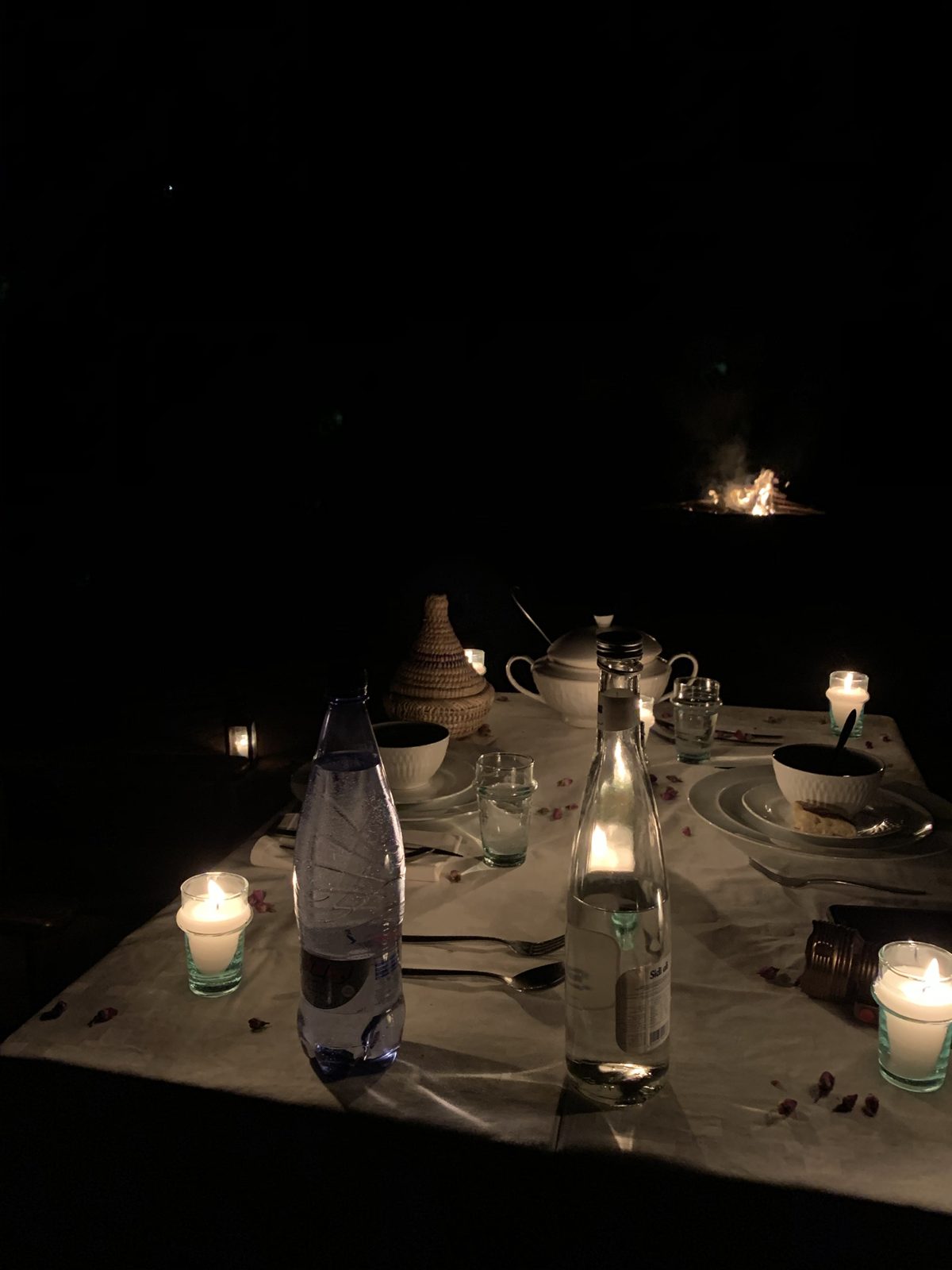
Now the honest part. It gets very, very cold at night. There’s no shower, just a bucket of water you fill yourself. The two tents are far apart, and they’re basic and not very comfortable. I think I got a little sick. See the packing list below.
The way back
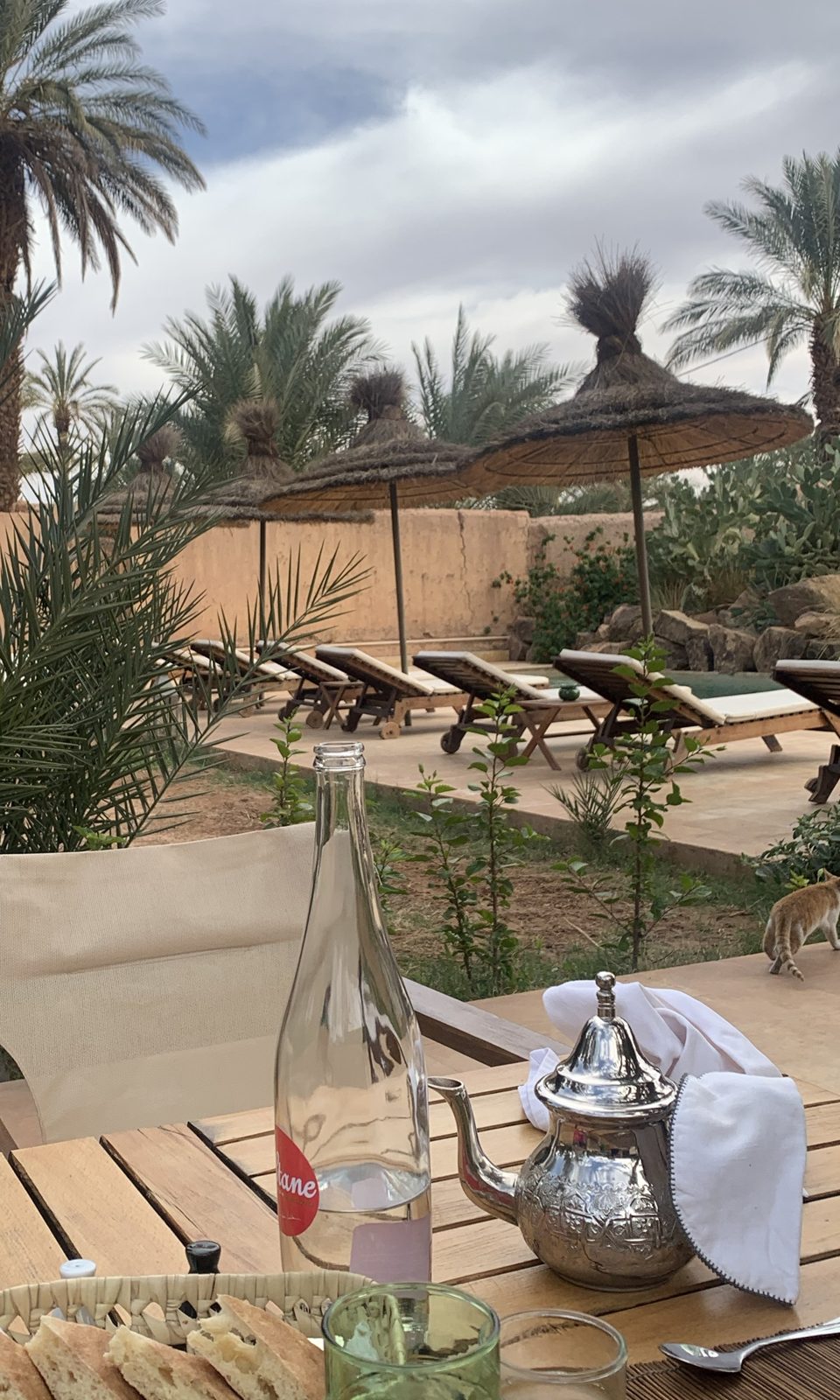
The drive back to Marrakech took two days. Lunch was at Azalai Desert Lodge, where we were again the only guests, by a pool with palm trees beyond it, and we spent a night at a small hotel on the way. I’d caught a cold at the camp, so honestly, I mostly rested. On the last day we stayed in at La Mamounia. After the desert and all the walking, it’s exactly where you want to be.
How to do this trip today
I believe La Mamounia’s Desert Experience is now a one-day trip, so you probably can’t book the exact loop I did as a single package. You can still put it together:
- Base yourself at La Mamounia. Ask the concierge whether they’ll arrange a private multi-day car and driver into the desert. Even if the package has changed, they may still organize it.
- Book Dar Ahlam directly and ask about their transfer from Marrakech. It’s about five hours over the Atlas by private car.
- For the dunes, look at a private multi-day trip from Marrakech to Erg Chigaga. Several operators run three-day private 4x4 trips over the Tizi n’Tichka pass and through Taznakht and Foum Zguid, close to the route I did. I haven’t used any of them, so check recent reviews.
- Start with a day trip. La Mamounia still runs desert day trips by Range Rover, and it’s an easy taste of the countryside before the big drive.
Find a private Erg Chigaga trip ↗
If you book through these links, I may earn a small commission, at no cost to you. It never affects what I recommend.
Before you go
Getting there. Fly into Marrakech Menara Airport (RAK). La Mamounia is only about 4 miles away.
Weather in December. Marrakech is cool but sunny, with daytime highs around 64°F (18°C) and nights in the 40s°F (about 4–10°C). The Atlas has snow, and the desert gets very cold at night. To me, the camp felt freezing.
When to go. I went in mid-December: mild days in the city, snow on the Atlas, and a very cold night in the desert. Spring and fall are generally considered the best months, with warmer desert nights. Summer is very hot.
Money. The currency is the dirham (MAD). It’s a closed currency, so you can’t get it before you arrive or take it out when you leave; exchange what’s left before you fly home. Bring cash for the souks and small stops on the road.
Visa. US citizens don’t need a visa for stays of up to 90 days. Your passport needs at least six months left on it, and a blank page for the entry stamp.
What to pack for the desert:
- Warm layers, for the Atlas and the desert nights
- A warm hat
- Something warm to sleep in. The tents are basic and the nights are cold.
- A headlamp or small flashlight for the camp
- Motion sickness pills, if you get carsick. It’s a lot of winding mountain road.
What it cost
From my folio and receipts, December 2019:
- La Mamounia: 10,800 MAD a night, about $1,125, for four nights, about $4,500.
- Food and extras at La Mamounia: about $325.
- The Desert Experience: $2,604, covering the car and driver, the camp and the rest of the loop.
- Dar Ahlam: $1,673 for the one night, booked through the package.
- Royal Mansour dinner: $477 for two, paid there.
For the two of us, that’s about $9,100 booked through La Mamounia, and about $9,600 with the Royal Mansour dinner. Prices are higher now: as of October 2026, a Deluxe Room at La Mamounia lists at $1,800 to $2,500 in high season, and Dar Ahlam is around $2,450 a night.
What I’d do differently
- Pack properly for the camp (packing list above).
- Stay two nights at Dar Ahlam instead of one.
- Skip one hotel lunch and eat in the medina.
- Mix the hotel with going out. The old city is a short walk from La Mamounia, and it’s worth the noise.
Who it’s for
Couples, and anyone who wants to see a side of Morocco most tourists don’t. It’s a lot of driving, and the camp is basic, so it’s not for young kids or anyone who needs comfort every night. If you want a week that goes from a palace to the Sahara and back, this is it.
Tips
- Take the Lalla Takerkoust day trip. It’s an easy taste of the countryside before the big drive.
- Have dinner at Royal Mansour once. Book ahead.
- Sit on the second floor at the Kasbah Café.
- Stop whenever you want on the drive. The drive is the trip.
FAQ
How many days do you need for Marrakech and the desert?
I did eight: three in Marrakech, four on the desert loop, and a last day to rest. You could do it in six, but you’d rush the drive, and the drive is the best part.
Is La Mamounia’s Desert Experience still available?
As far as I know, it’s now a one-day trip. Ask the concierge about longer loops.
How far is the Sahara from Marrakech?
Dar Ahlam is about five hours by car over the Atlas, and the dunes at Erg Chigaga are another day’s drive beyond that.
Is the desert camp comfortable?
Not really. Two basic tents, no shower, just a bucket of water you fill, and it gets very cold. The dinner in the dunes makes up for it.
How much did the week cost?
For the two of us, about $9,100 through La Mamounia, and about $9,600 with a dinner at Royal Mansour, in 2019.
Royal Mansour or La Mamounia?
I stayed at La Mamounia and had dinner at Royal Mansour. Royal Mansour feels more exclusive and quiet, almost like an Aman, but a little stuffier. La Mamounia didn’t feel stuffy. Both feel highly Moroccan.
Subscribe to the Key & Fork newsletter
New hotel and restaurant reviews, travel guides, hotel comparisons and updates on places I’ve stayed. No spam, unsubscribe anytime.