How I Rate Hotels and Restaurants: Scores, Noise, Wi-Fi and Real Prices
The scores, the noise meter, the Wi-Fi test and the all-in prices behind every review.
Every review EVE
The short version: I only review hotels I’ve stayed at and restaurants I’ve eaten at, and I pay my own way. Every hotel gets five scores out of 10, for the room, service, food, setting and value, plus an overall score. I measure the room at night with a noise meter, test the Wi-Fi and check how cold the AC goes. Prices are what I actually paid, all in.
People ask how I come up with the scores, so here’s exactly how I review. The same rules apply to every hotel and restaurant on the rankings page.
The five scores
Room
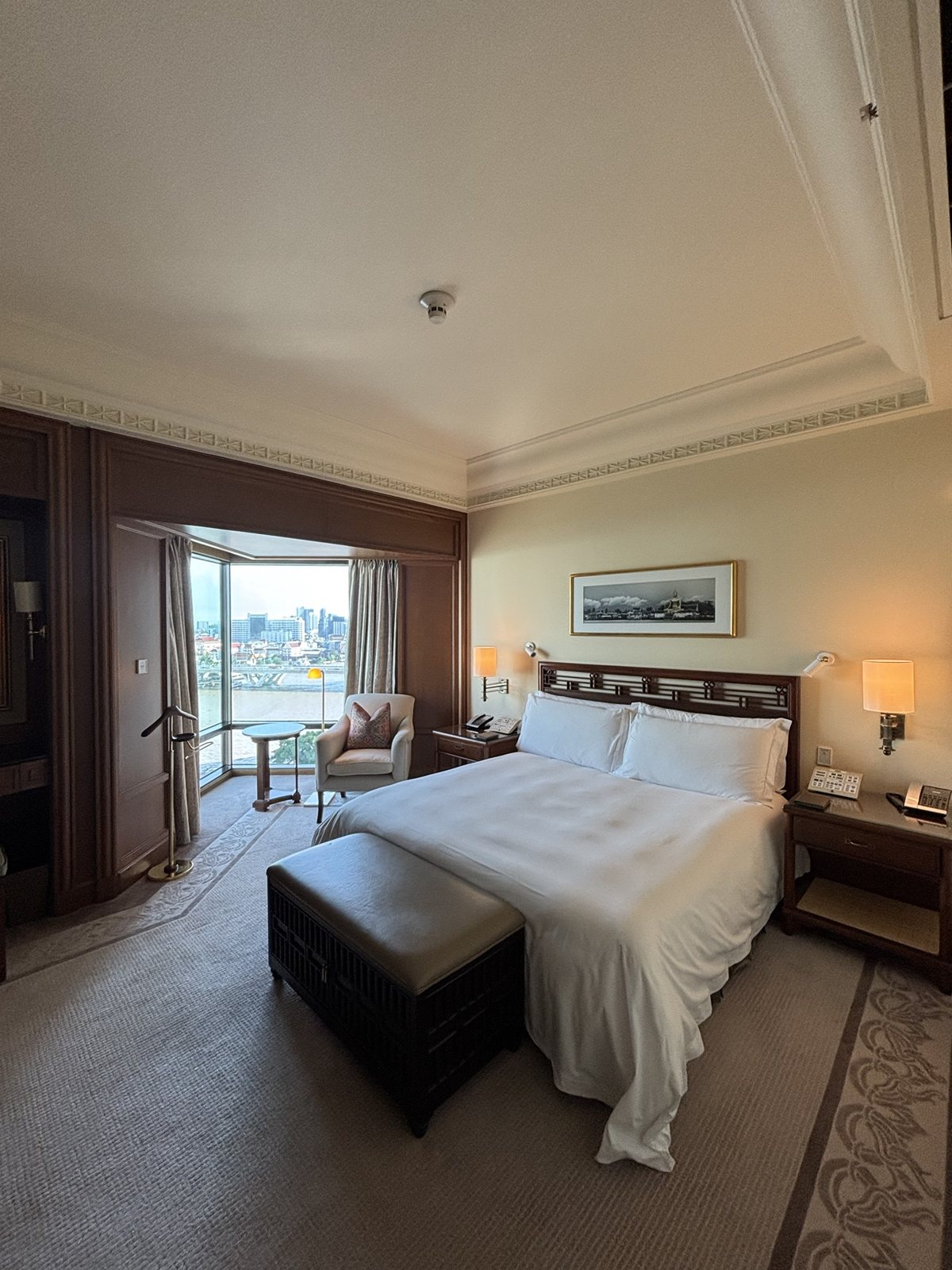
The size, the comfort of the bed, and the shower: how easy it is to use, its size and its pressure. How quiet the room is, the Wi-Fi speed, and whether there are any bad smells. How unique the room is, and whether it includes Thai or local culture, depending on where it is.
I also look at how thoughtful it is: well-placed outlets, a master console by the bed, blinds that open and close on their own, slippers by the mat. Quirks count, like an open toilet or odd noises. So do nice touches, like a balcony or high-quality finishes.
Service
The top service, to me, feels attentive and personalized without feeling formal or intrusive. Sometimes you feel like you’re in someone’s home: taken care of and noticed, but not watched. Some luxury hotels are so attentive that you feel watched, or asked if you’re a guest when you take a picture. Being too strict takes away from it too.
Good service brings things to you before you ask. It’s personal, like the manager coming over, or an email or handwritten letter, especially if there was a problem. Welcome drinks, fruit, or gifts that reflect the local culture all count. So do help with reservations, real recommendations for the area, and setting up unusual requests.
Above all, the staff feel like they’re on your side. I know hotels want to make money, so they try to avoid room changes and late checkouts. But the more flexible and accommodating they can be, the better.
Food
Mostly, it’s the food itself: how tasty it is, the portion size, how unique it is and the selection. A small part is the restaurant’s service and setting. Not having a lot of options at the hotel weighs against it.
For breakfast, it’s the selection, the ambiance, how tasty it is and, to some extent, how crowded it gets. I also like it when they don’t close right on the dot, and give you a little breathing room.
Setting
How striking and unique the hotel is, and whether it shows the local culture, like traditional art or architecture. People want a hotel that feels like a destination, and feels culturally authentic.
It also covers the amenities, like a sauna, a steam room and a big gym with newer equipment, like Technogym. Missing amenities, or ones that are across the river or in another building, bring it down, unless a large hotel has shuttles to take you around.
Then there’s the location, like a nice beach or a central spot in the city, and the upkeep. I look at whether the whole property is nicely maintained, not just the areas you see, like the hot tub at the far end of the spa. How the hotel smells counts too.
Value
Value is mostly an objective scale, but about 30 to 40% of it is how the hotel compares with others in the same city. It also counts upgrades and perks, like free breakfast, hotel credits and free shuttles.
The overall score
The overall score isn’t an average. It’s my judgment of the whole stay, taking all the scores into account. It also depends on what you’re looking for. For some people the room matters most, or the setting. For others it’s the service, because they won’t be in the room much. That’s why I give all five scores.
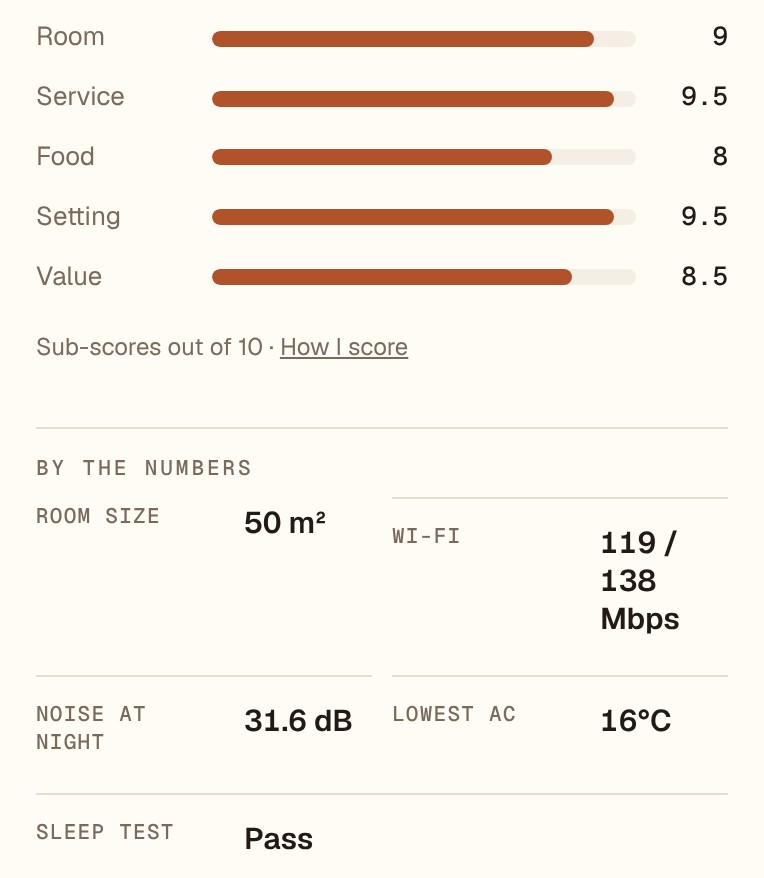
Here’s an example, from the Four Seasons Bangkok:
| Room | Service | Food | Setting | Value | Overall |
|---|---|---|---|---|---|
| 9 | 9.5 | 8 | 9.5 | 8.5 | 9.5 |
The average would be about 8.9, but the service and setting made it the best stay of my Bangkok trip.
Every review also says whether I’d stay again, who the hotel is best for and who should skip it. When I go back, I update the review and say what changed. The Peninsula Bangkok was a 9 on my earlier stays, and an 8.5 in November 2026, when some rooms had a musty smell.
What the numbers mean
The scores aren’t curved on price. The same room gets the same score at $200, $500 or $2,000 a night, and I don’t rate expensive hotels more harshly. You have to keep it fair, so you’re comparing apples to apples.
- 10: one of the best in the world in that category; it sets the standard. I give 10s very rarely.
- 9: exceptional, often with nothing really wrong; it just doesn’t set the standard. I’m very confident you’d like it.
- 8: a very strong score. You’re probably going to like it.
- 7: good. Most people would like it, but not everybody. Usually a few minor flaws, or one bigger one you’d notice.
- 6: fine, but either nothing too special or some flaws.
- 5: average. You wouldn’t expect many 5s from a luxury hotel; if you see one, it may be a bit overrated.
Another way to think about it: a 5 is a Courtyard Marriott, a 6 is maybe a 4-star hotel, and a 7 is an average 5-star, like a JW Marriott or a Conrad. An 8 is where the Ritz-Carltons start. At $700 a night, I’d expect at least an 8, and at $1,500 or more, a 9. At $200 a night, a 5 is probably fine.
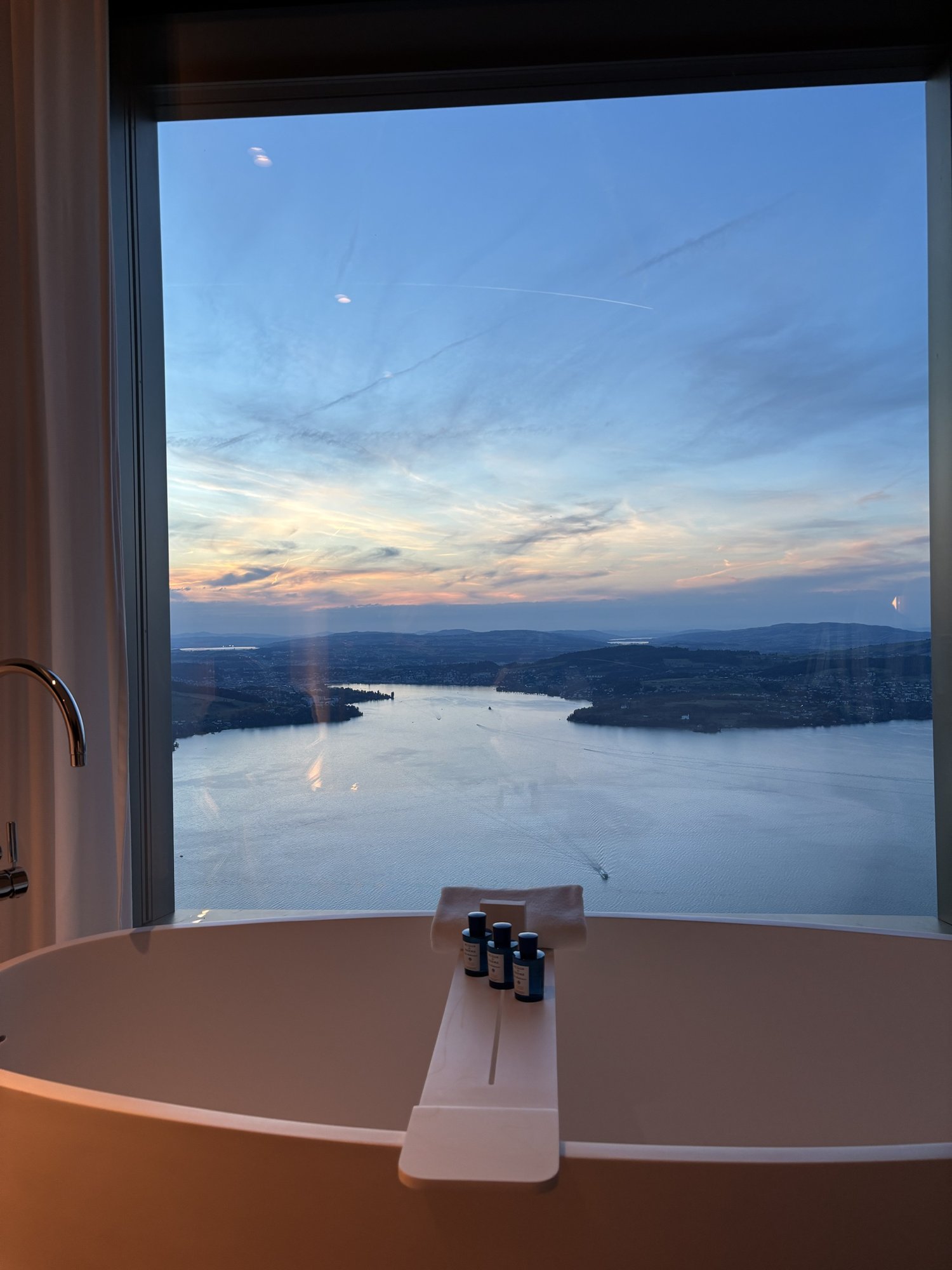
A 10 looks like the setting at Bürgenstock, above Lake Lucerne. Pretty much everywhere you look, there’s beauty, down to the architecture. Nearly every room has a lake view, and so do the lobby and the common areas.

What I measure in the room
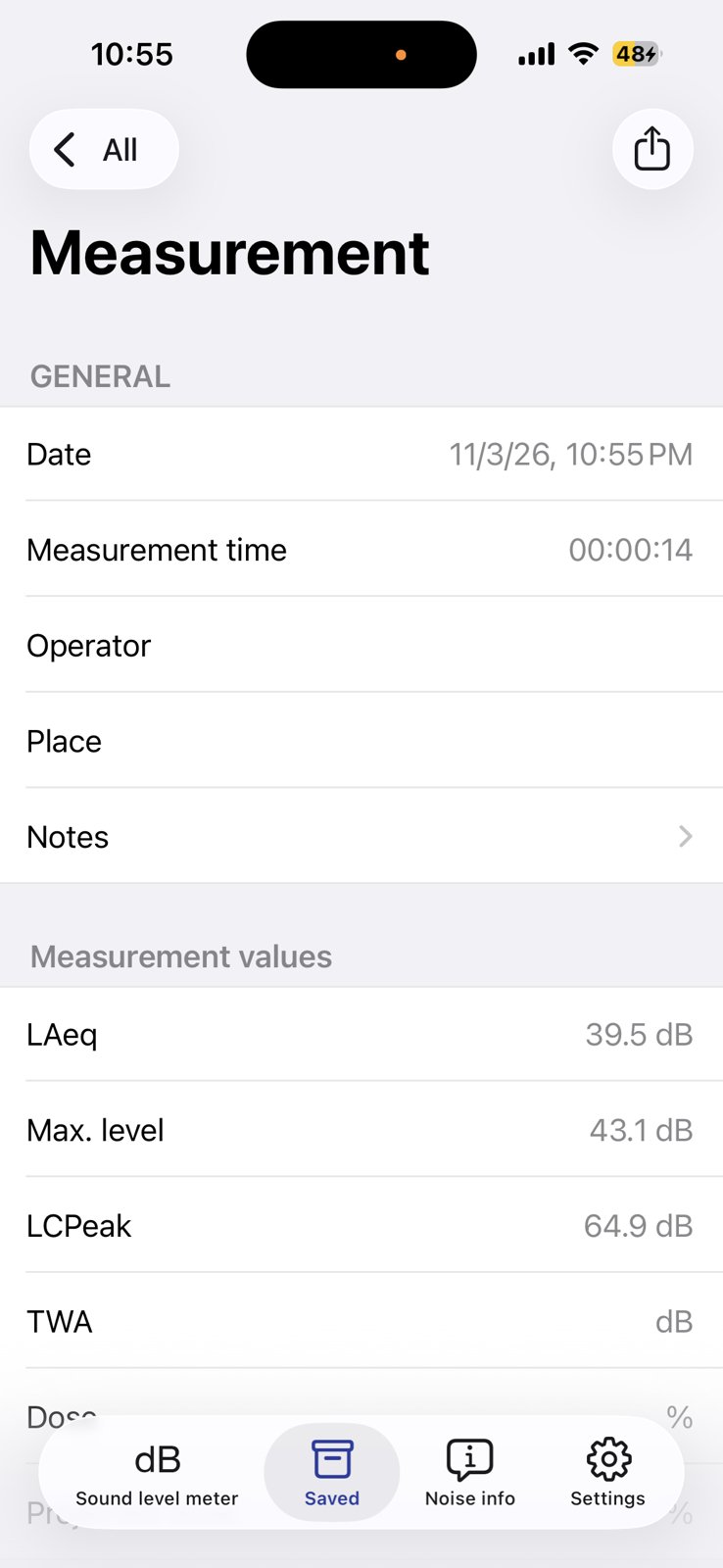
Noise. I measure every room at night with the NIOSH SLM app on my phone, with the AC off and on. Anything under about 33 dB feels very quiet to me. The meter can’t tell you what the noise is, so I also note road noise, boats and anything that went on all night. The Bangkok readings are in the quietest hotel rooms in Bangkok.
The sleep test. Did I sleep well, and did anything wake me up? It’s a pass, mixed or fail.
Wi-Fi. I run a speed test in the room. At the Mandarin Oriental Bangkok, it was 204 Mbps down and 133 up.
The AC. The lowest temperature it can be set to: 16°C at the Rosewood Bangkok, for example, and 18°C at the Mandarin Oriental.
I’ve been measuring these since my Manila series, so older reviews don’t have them.
The details. Room size (the hotel’s published size for that room type), breakfast hours, late checkout, pool and gym hours, and taxes and fees all go in the stats box at the top of each review.
Prices
Prices come from my real bills and hotel folios, though I never publish the folio itself. Hotel prices are per night, all in, with taxes and fees, and I say what the rate included. The Mandarin Oriental’s $777, for example, included breakfast for two and a $150 credit through Fora. If breakfast wasn’t included, I give its price separately.
Prices are for one person: the room, plus one person’s share of the food. For an older stay, I give the year, like La Mamounia at $1,200 in 2019.
Restaurants
Restaurants get four scores, for setting, food, service and value, plus an overall score. They work basically the same way, with less focus on local culture. Service is more about how fast the food arrives, and a bonus if the staff are warm, explain the menu and are very attentive. Flexibility counts, like modifying dishes. In really good service, they’ll even create a dish that isn’t on the menu. Value is how nice the food is, and whether I think it’s worth it. The scores aren’t curved on price here either, though I’ll often note in the review when a higher price makes it less worth it.
I also score every dish I tried, in a table with each dish’s price. In Thailand, prices are in baht and US dollars, at 33 baht to the dollar, and the total includes service and tax, per person. If I didn’t try a dish, it gets no score.
What I disclose
- Comps: anything free, like an upgrade or a gift.
- Fora: I’m a Fora travel advisor. When I book through Fora, the review lists the perks, and I earn a commission. It doesn’t cost you more. See how booking through me works.
- Who paid: if my family paid for a meal, the review says so.
- Memberships: if I’m a member of a club I review.
I dictate my reviews and use AI to help edit them, but every score, price and opinion is mine. If something comes from the hotel or a travel site, like airport times, the review says so. For Michelin Keys, I note each hotel’s key count and whether I think it’s right; the seventeen I’ve stayed at are ranked in are Michelin Key hotels worth it?
FAQ
Do hotels pay for your reviews?
No. I pay my own way, and anything comped is disclosed in the review.
Do you earn money from bookings?
Yes, when you book a hotel through me with Fora. You pay the same price, and you get the Fora perks.
What does a 10 mean?
One of the best in the world in that category, setting the standard. I give 10s very rarely.
Are the scores adjusted for price?
No. The same room gets the same score at any price, and I don’t rate expensive hotels more harshly.
Subscribe to the Key & Fork newsletter
New hotel and restaurant reviews, travel guides, hotel comparisons and updates on places I’ve stayed. No spam, unsubscribe anytime.