Hapag Review: A One-Michelin-Star Cordillera Tasting Menu in Rockwell
Makati, Manila, Philippines MNL
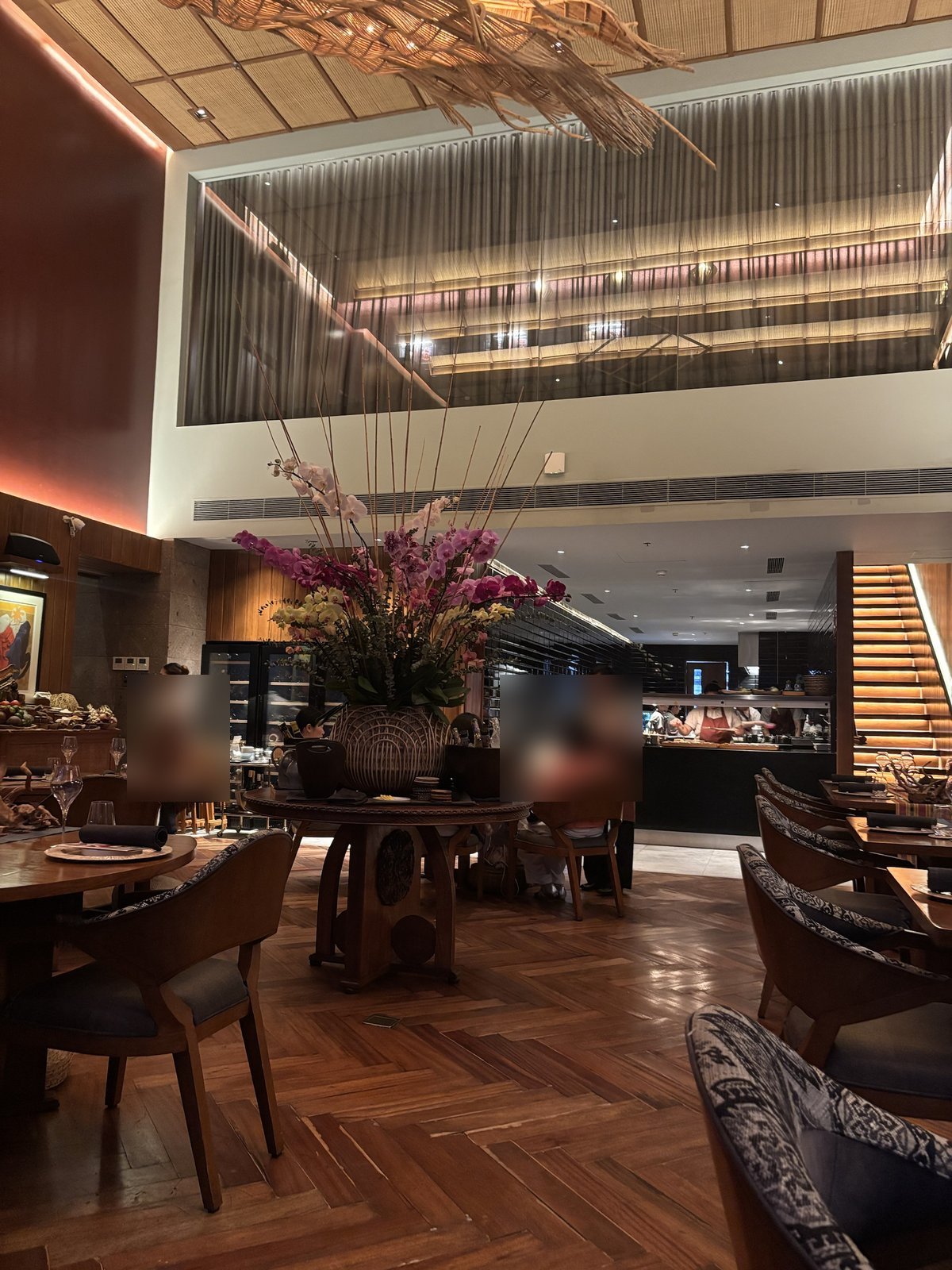
The short version: Hapag, on the 7th floor of the Balmori in Rockwell, has one Michelin star, and it’s my favorite restaurant in Manila so far. The eight-course tasting menu changes by region of the Philippines; mine was the Cordillera menu, and the best dishes, the pansit, the smoked longganisa, the smoked beef tartare and the duck broth, were excellent. The room is beautiful, high-end Filipino with dark tones, and the service is the best I’ve had in the city. Dinner for three, with no drinks, came to about ₱8,600 ($134) a person, including the ₱12,000 reservation deposit, which I think is a good value for what you get. I’d go back.
I’ve been to Hapag twice. This review is from my second visit, a dinner for three in October 2026. We paid for everything ourselves.
Pros
- Some of the best Filipino food I’ve had: the pansit, the longganisa, the tartare and the duck broth
- Service that combines attentiveness with warmth and silence
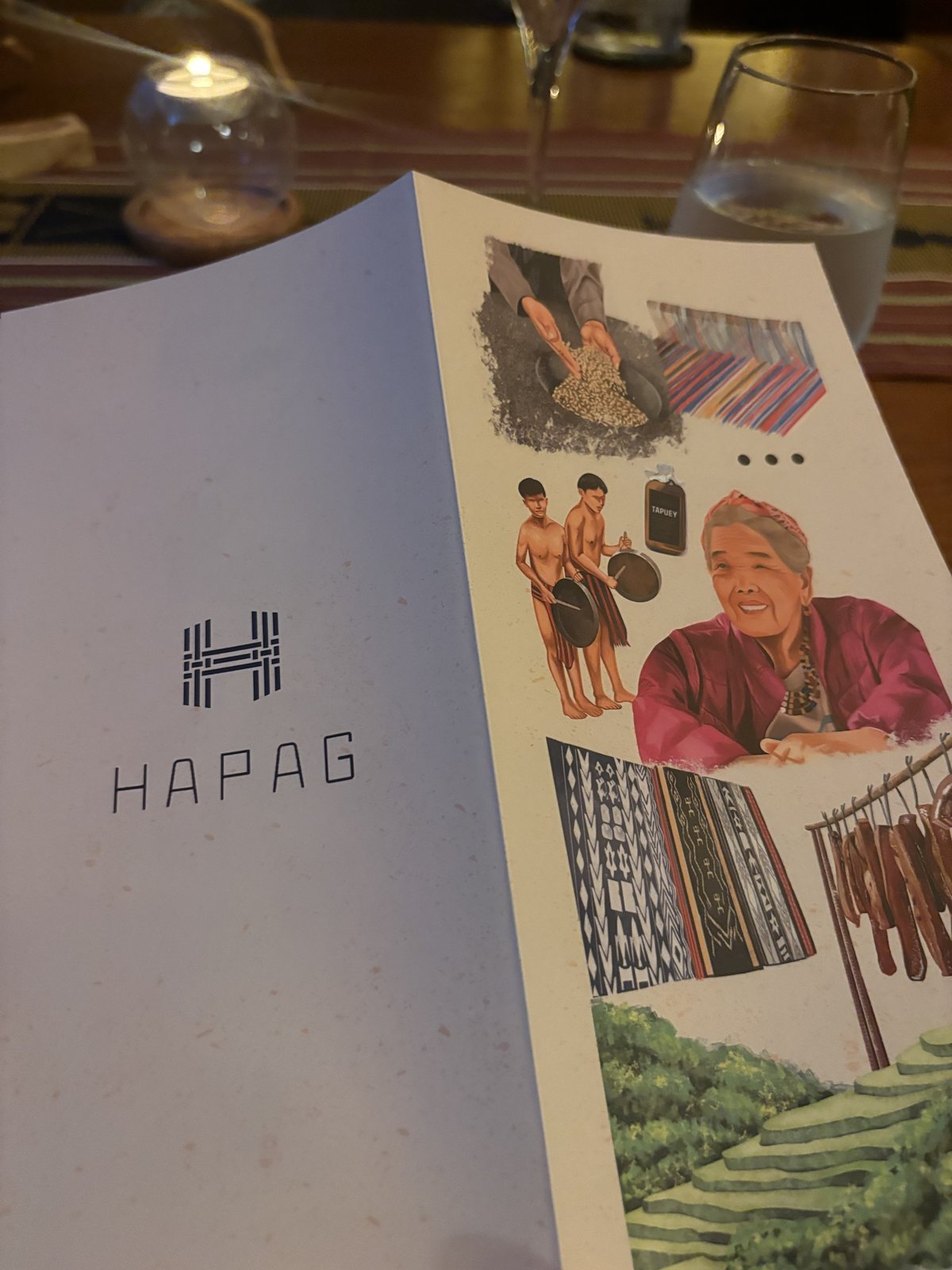
- Each dish comes with the story and the real trip behind it
- A beautiful room with floor-to-ceiling windows over Rockwell
- A tour of the artwork and fermentation jars when you arrive
- Eight generous courses for about $134, with one Michelin star
Cons
- A few courses were weaker: the bread, the heirloom rice and the mushroom snack
- About ₱8,600 a person before drinks, more than most Manila restaurants
Getting there
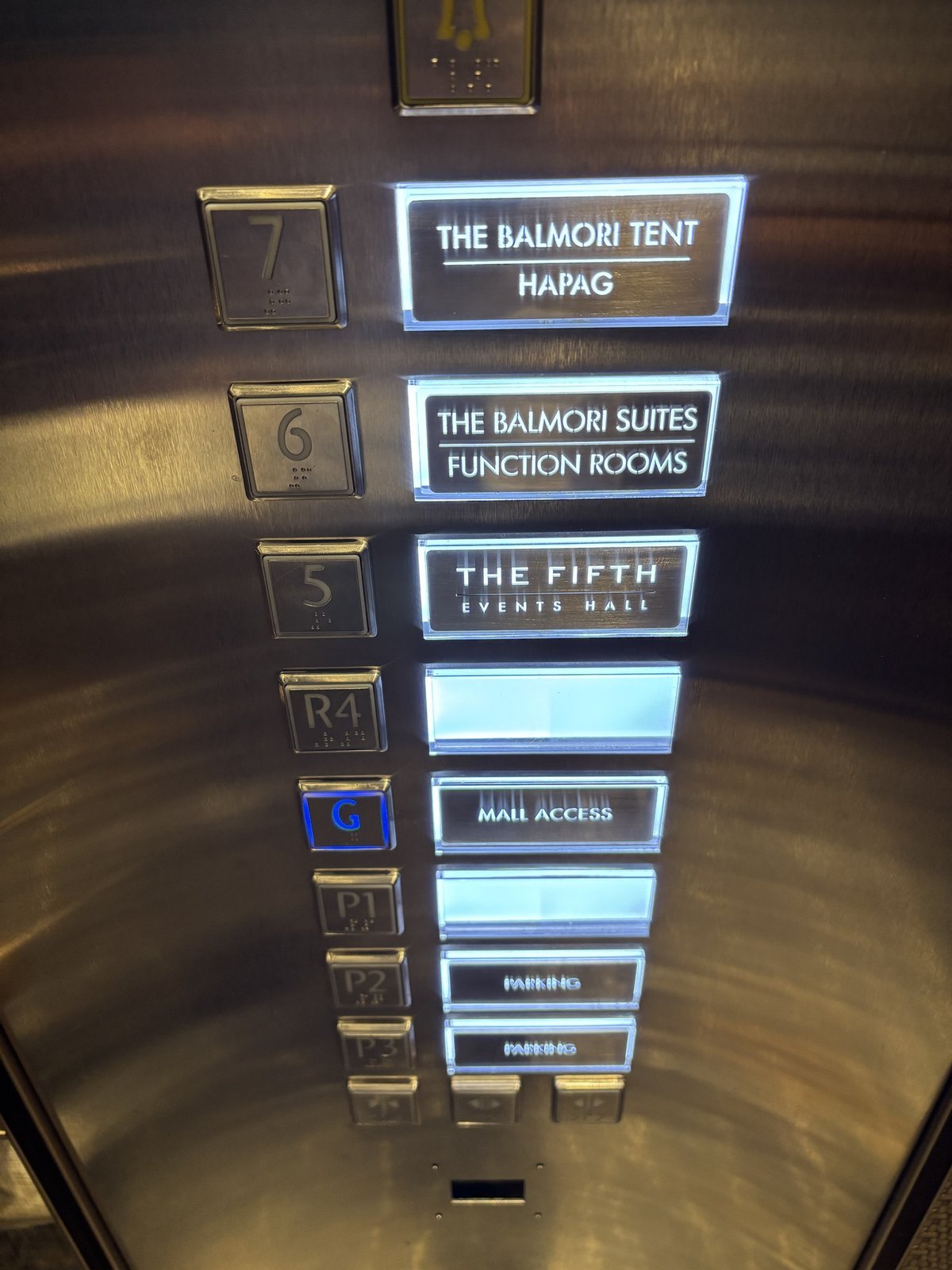
Hapag is in Power Plant Mall in Rockwell, Makati, my favorite mall in Manila and a great place to walk around before or after your meal. The best way in is through the Balmori entrance. Take the elevator to the 7th floor; on the way up, you look out over all of Rockwell, and it already feels like a special occasion.
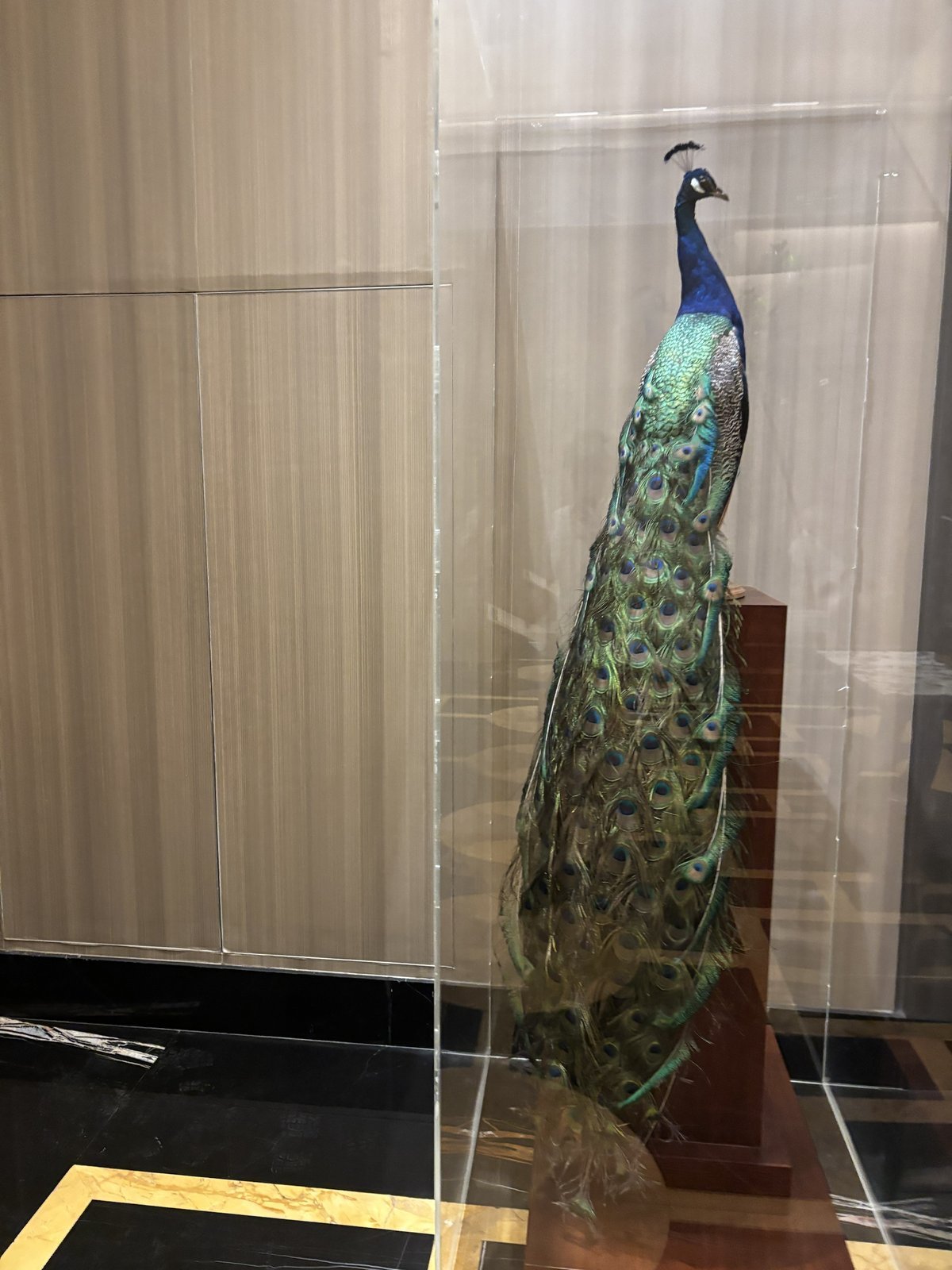
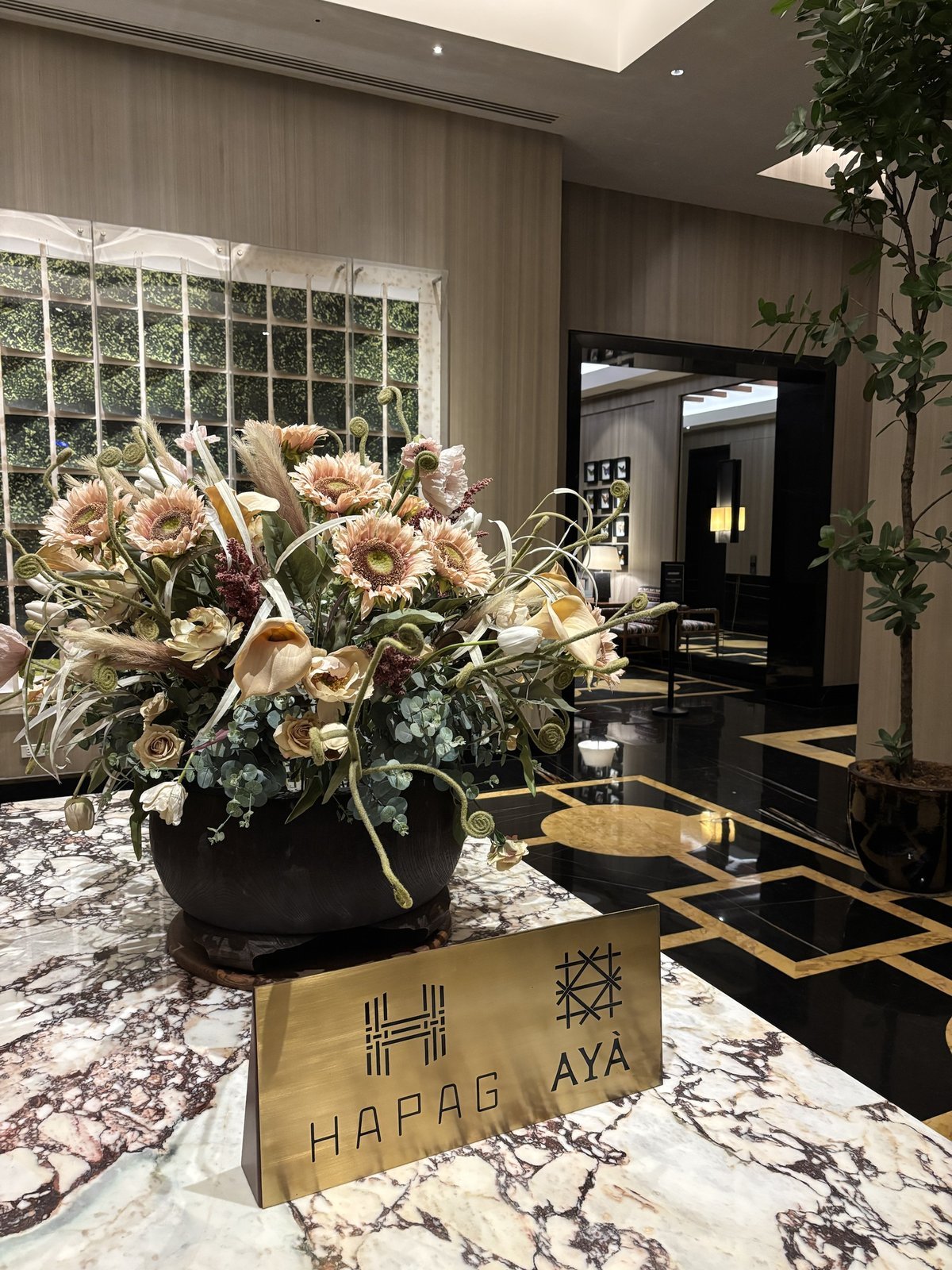
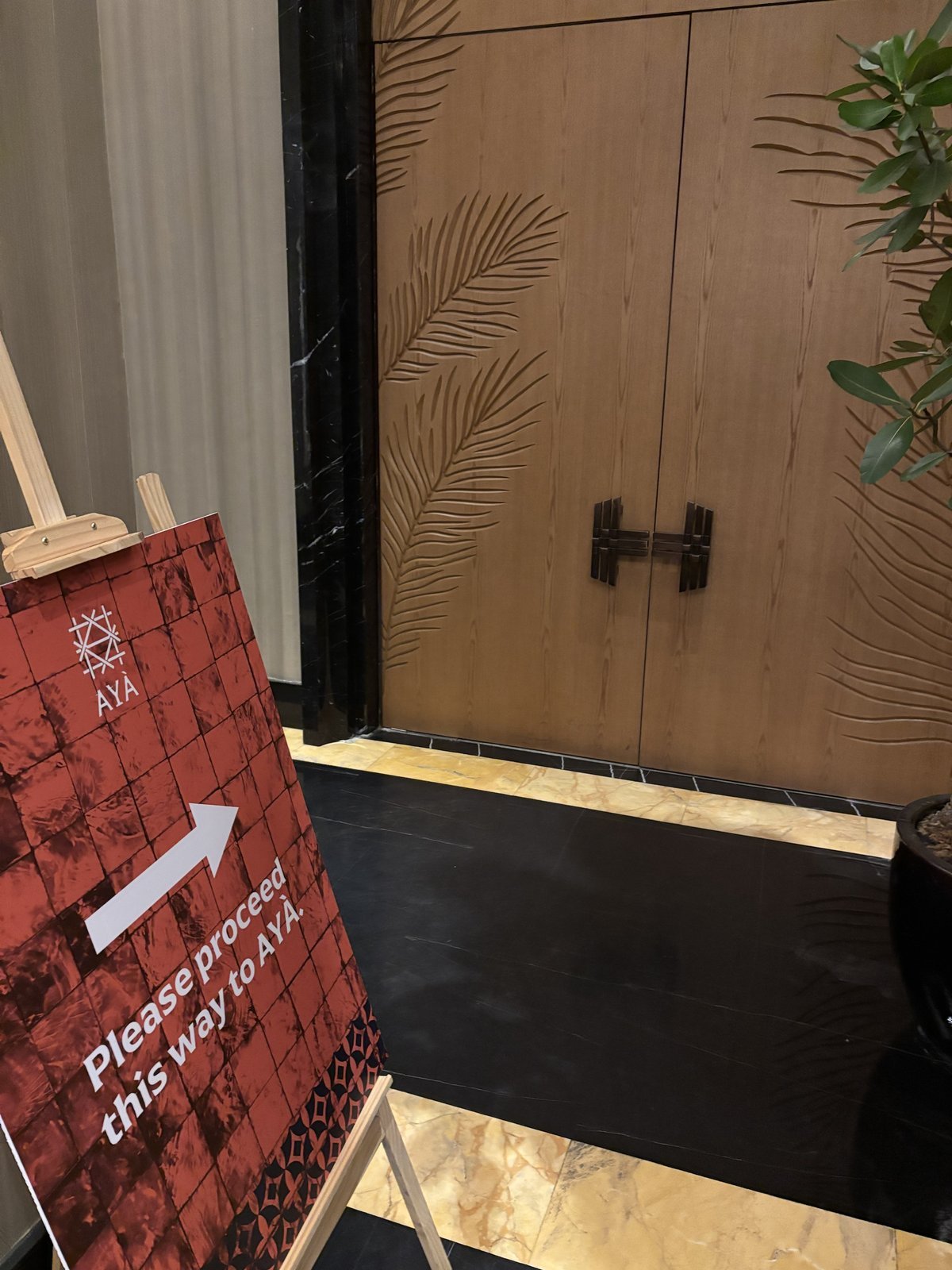
You come out into an elegant lobby, with an artificial peacock and a colorful display of flowers. On the right is the entrance to Hapag and its sister spot, Ayà, a cocktail lounge. I haven’t been to Ayà, but it’s a little different, more outdoor and overlooking the area, with a garden outside where they grow their own produce for both Hapag and Ayà. I didn’t get photos of it, but it’s a very beautiful spot to walk around if you can.
The setting: 9.5 out of 10
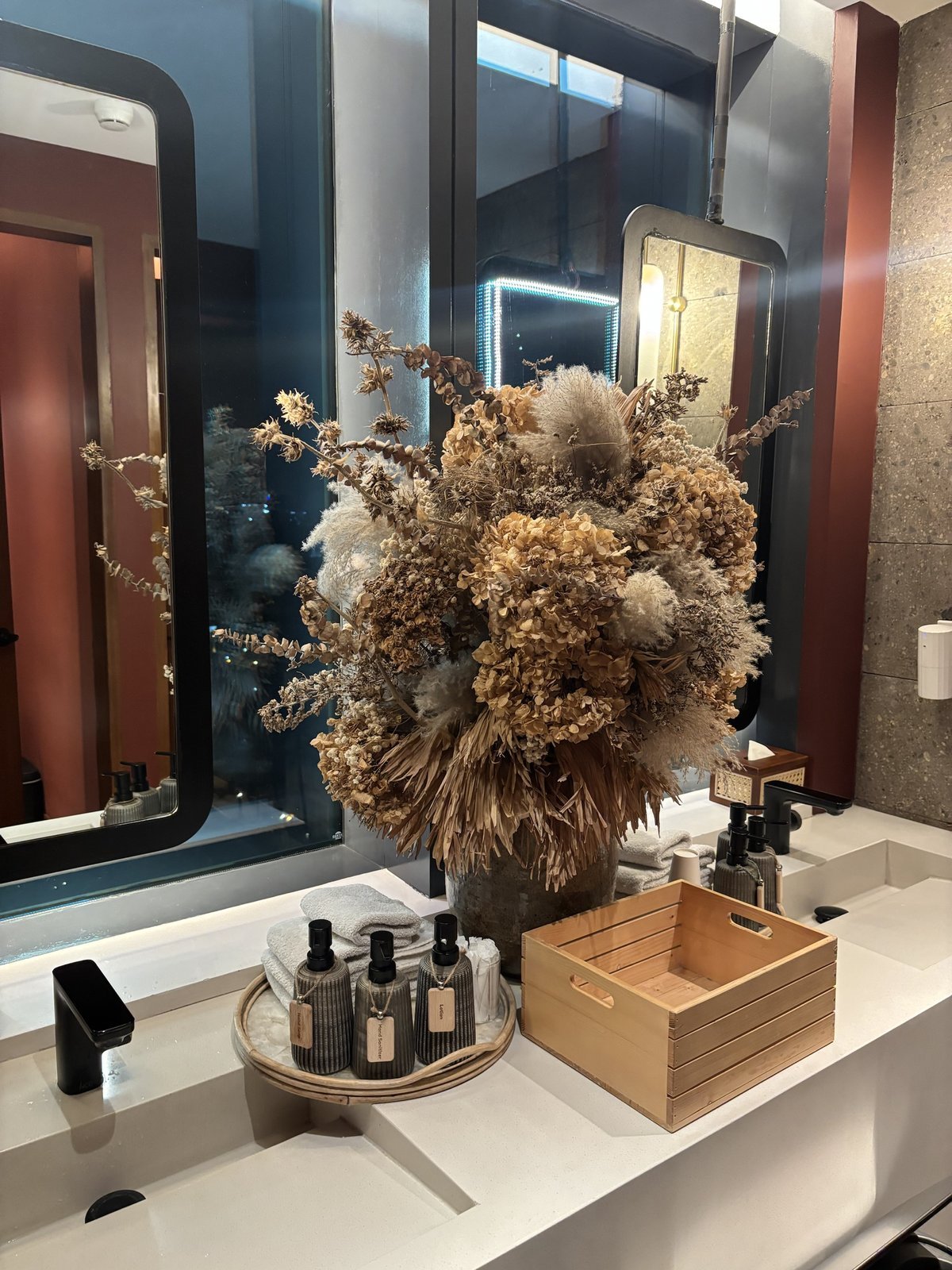
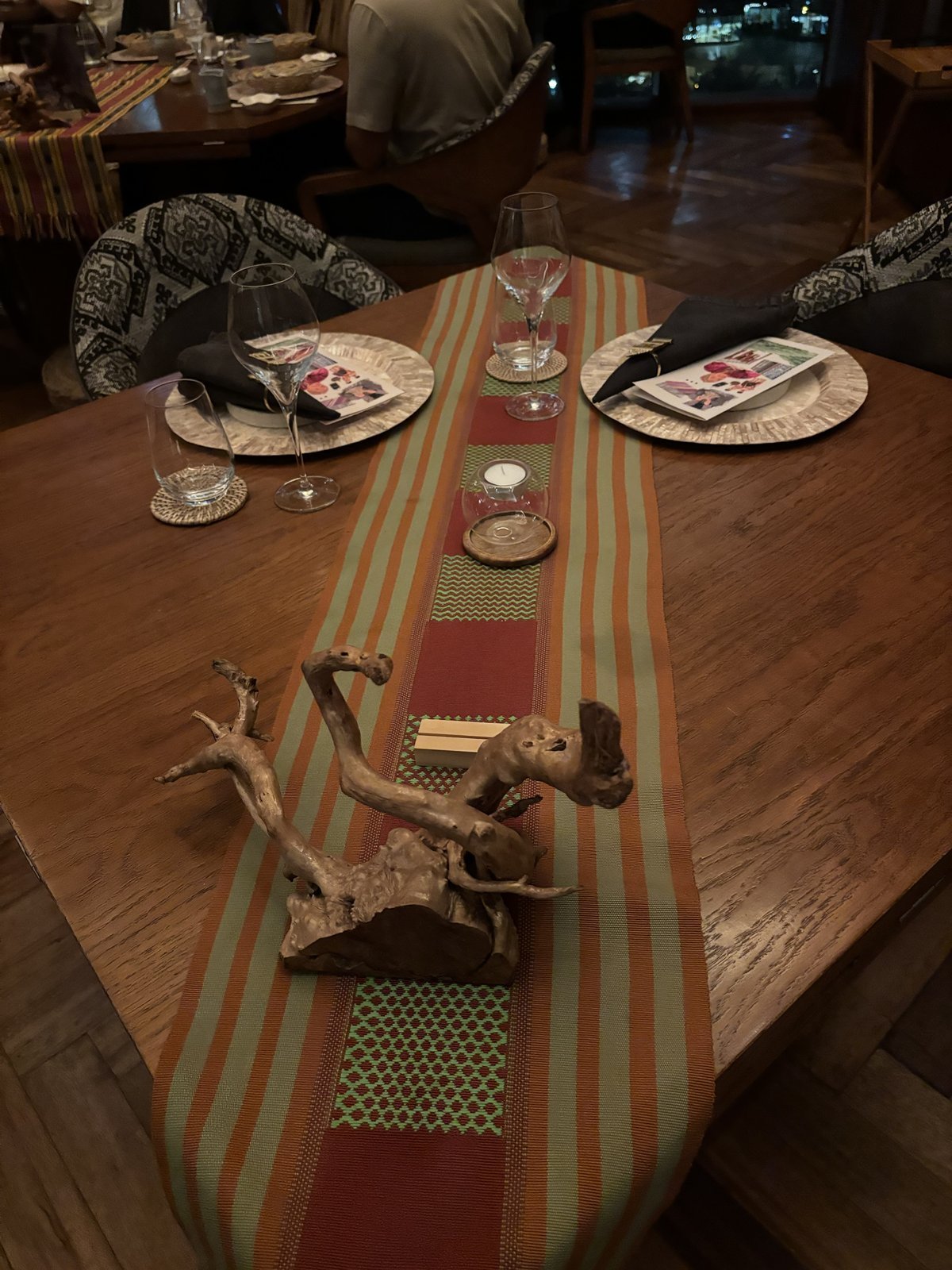
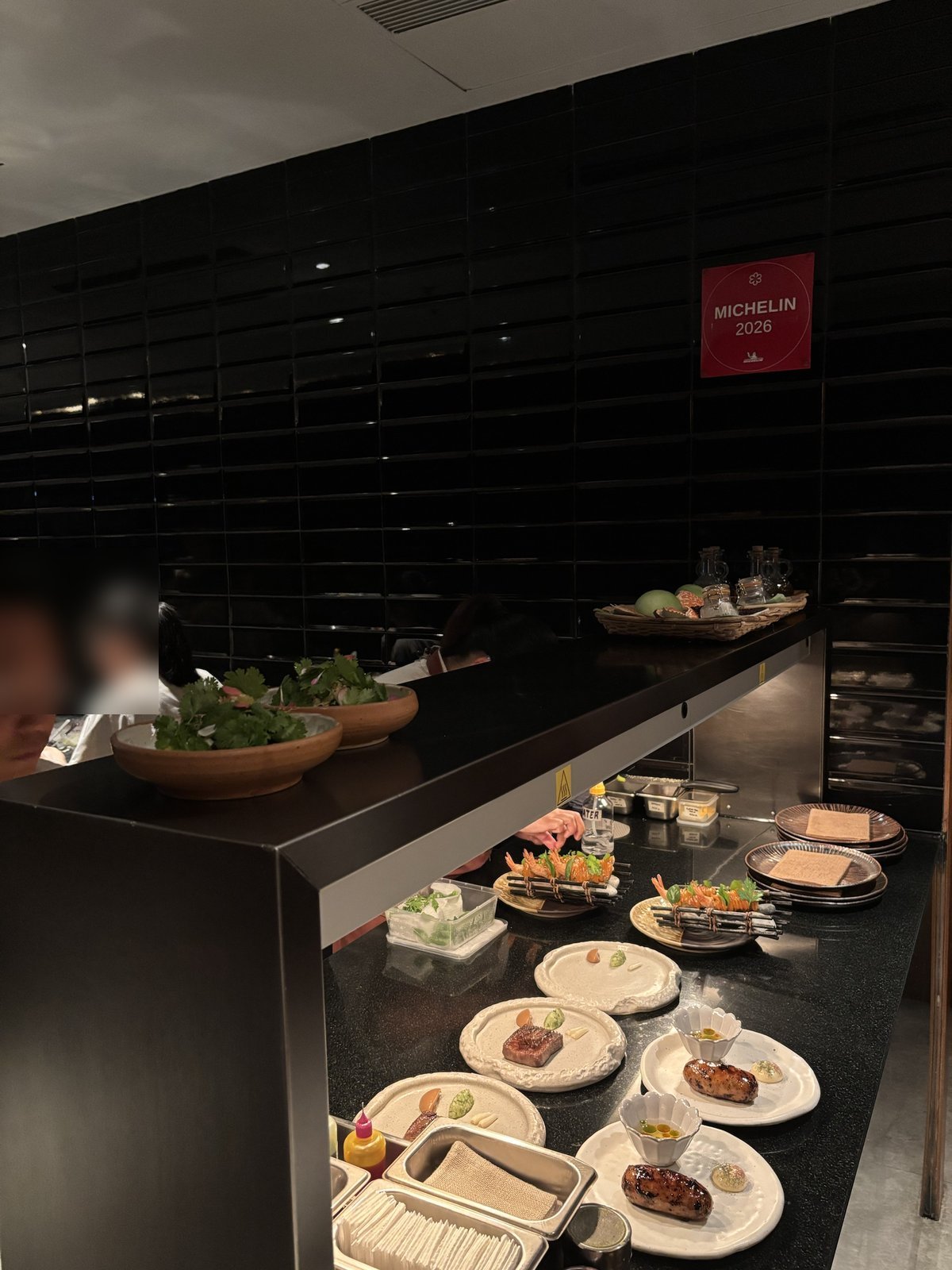
Probably the best setting of any Manila restaurant I’ve been to. It feels high-end Filipino, with dark undertones and Filipino artwork, but elegant and classy, with floor-to-ceiling windows over Rockwell, beautiful flowers, and displays of the food and condiments they source from around the Philippines.
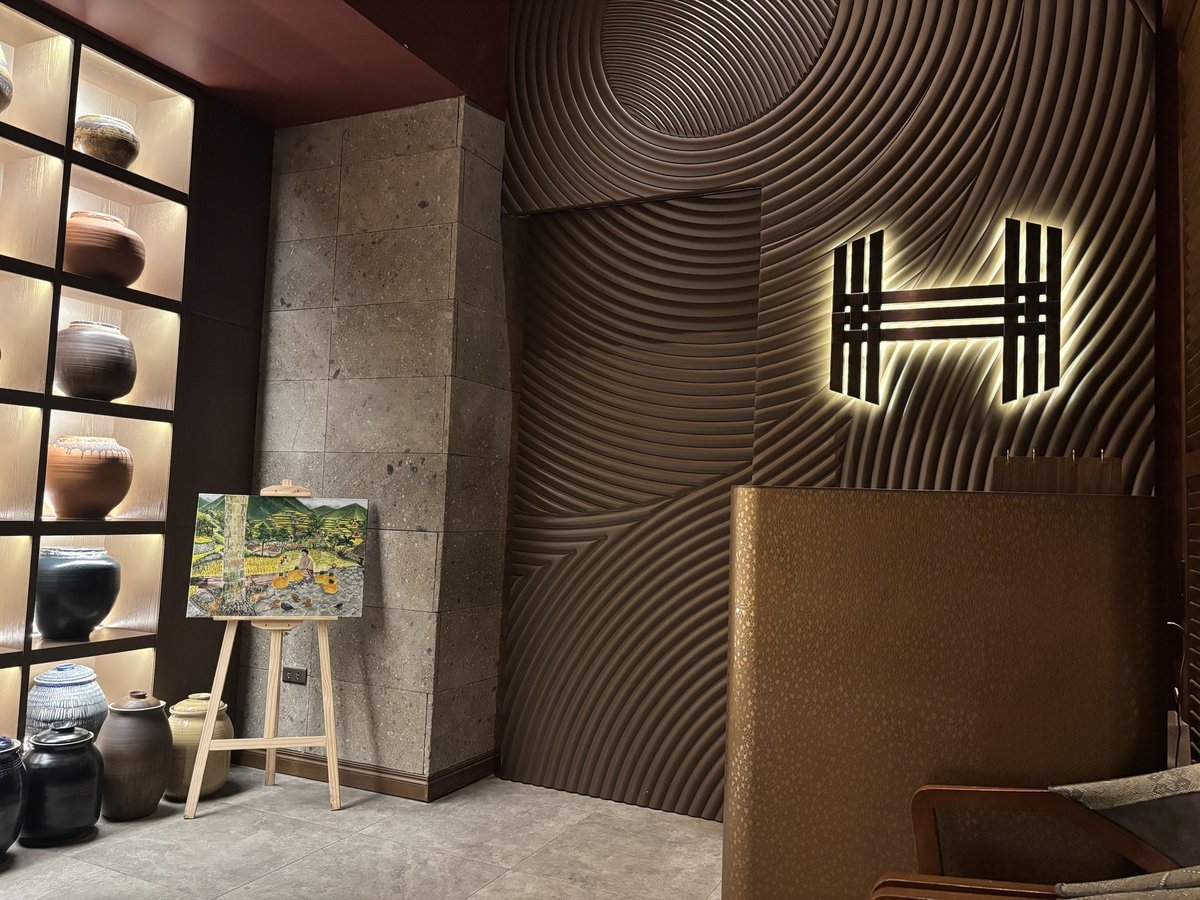
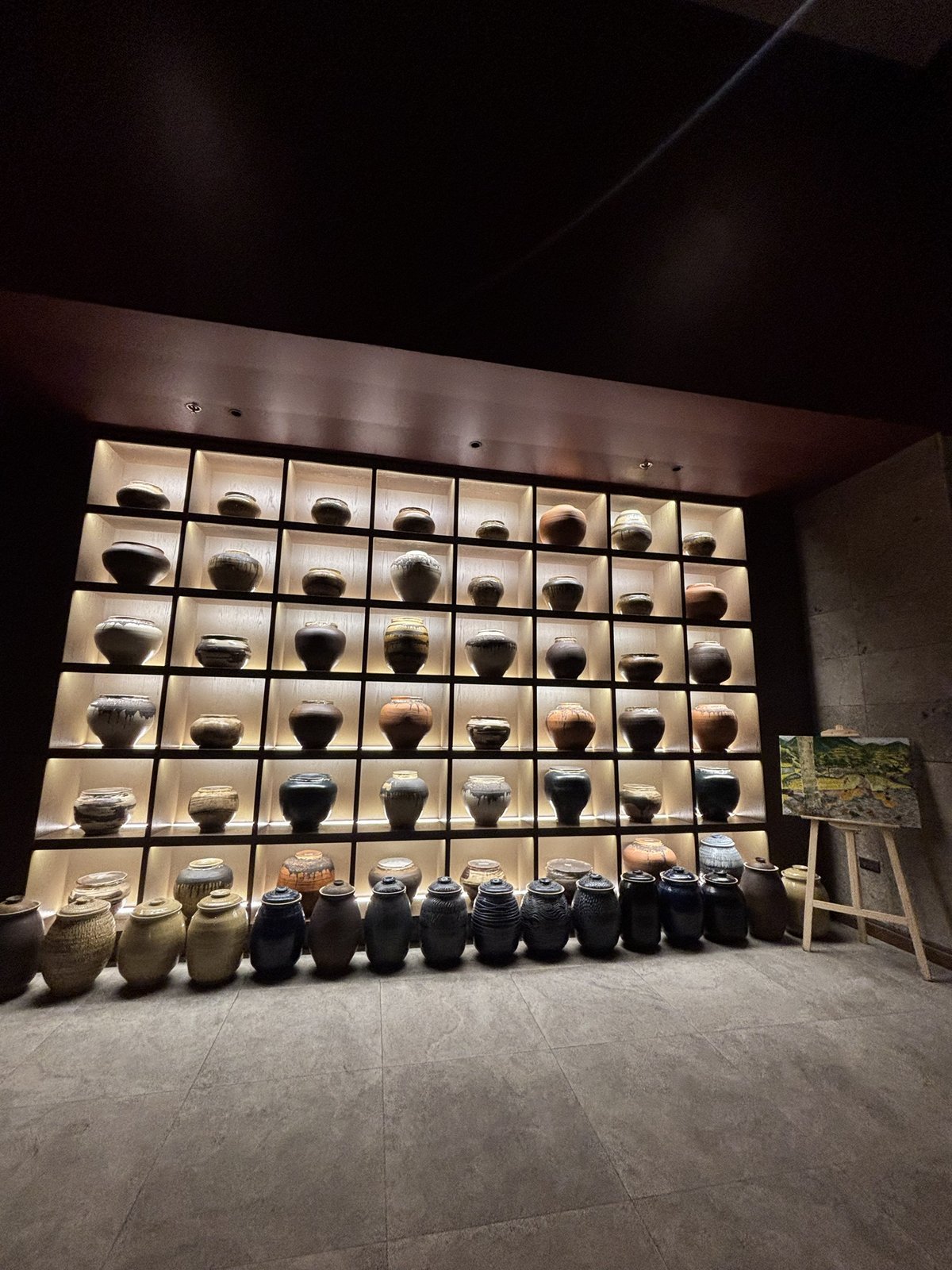
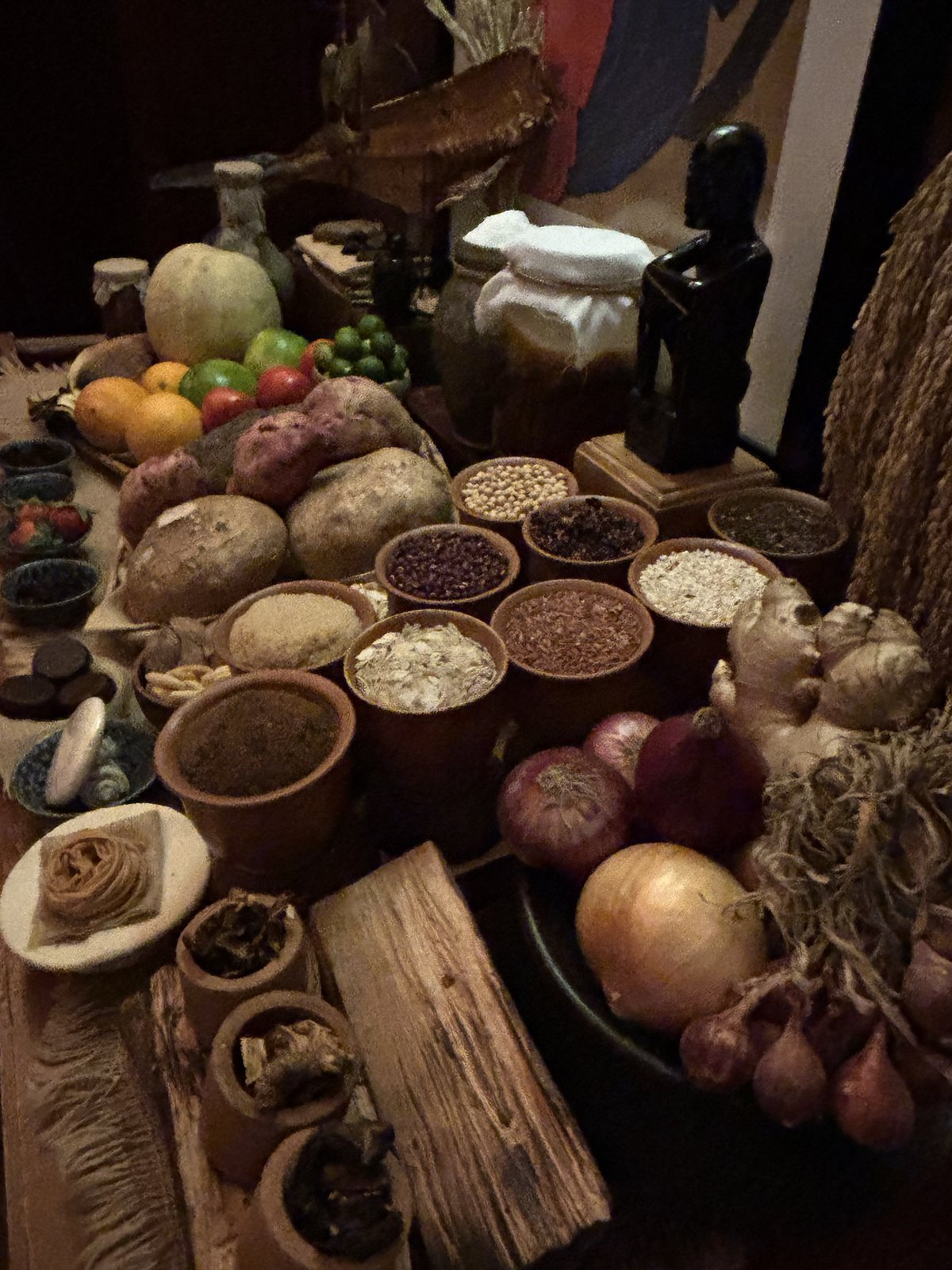
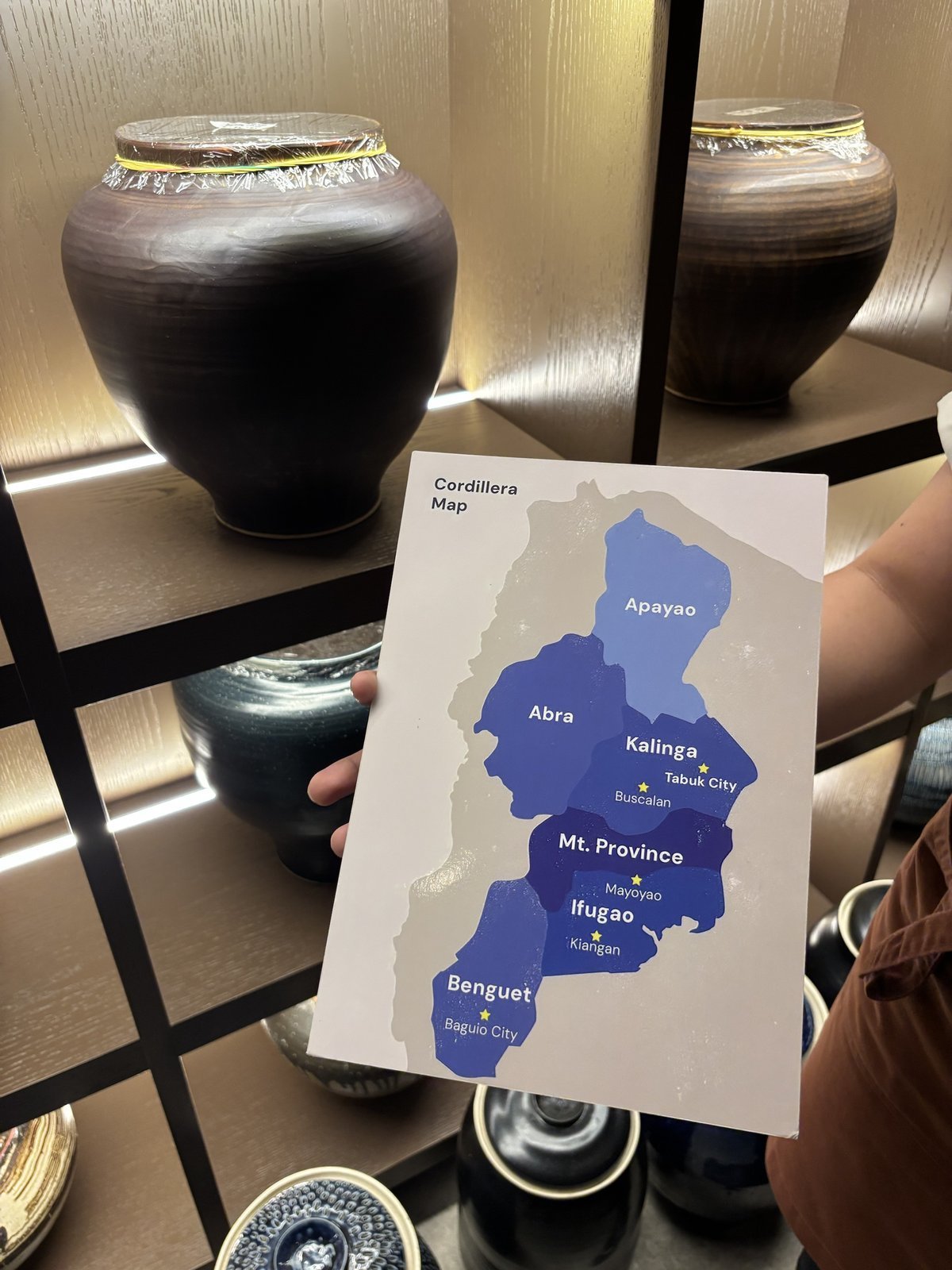
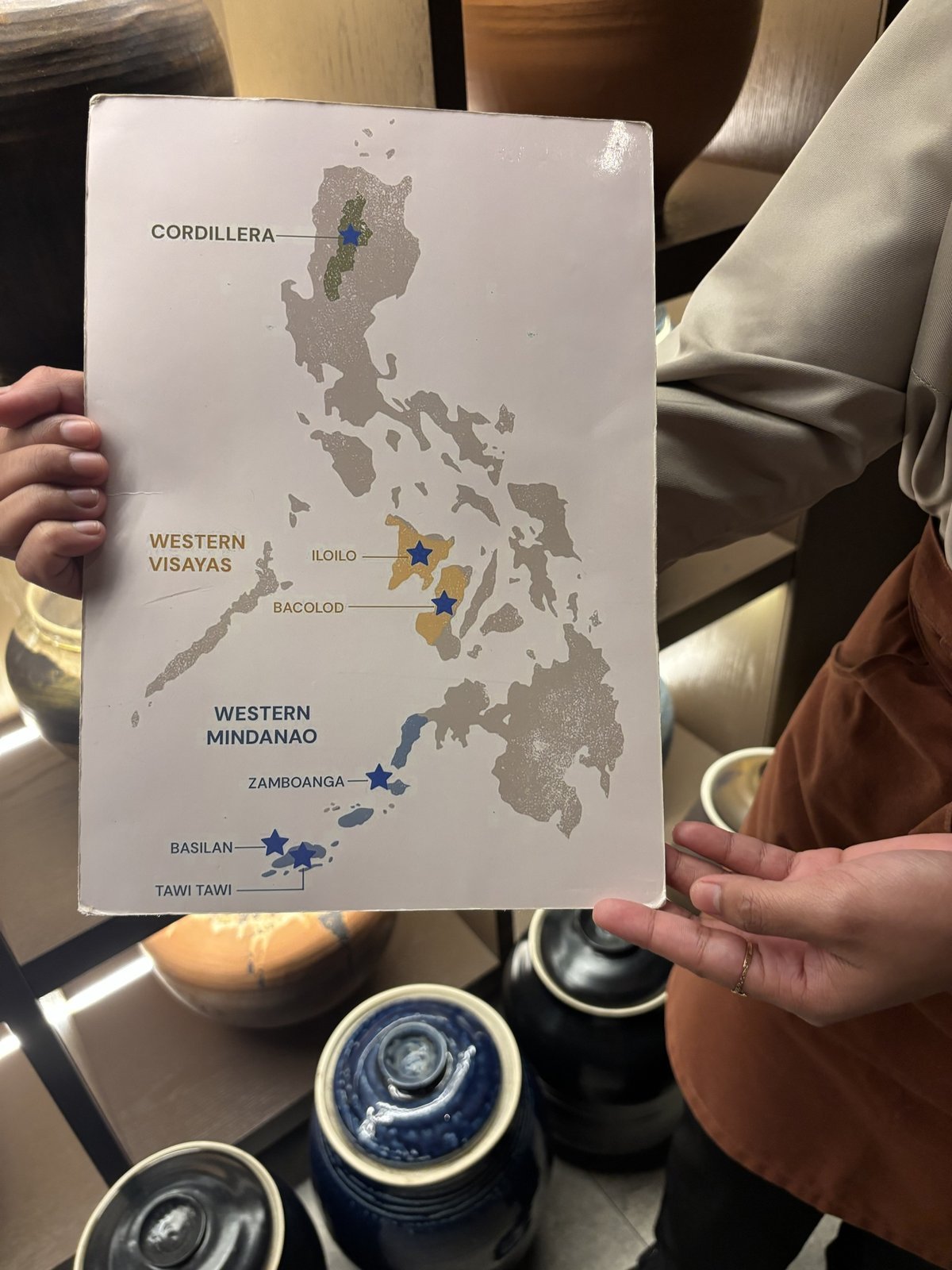
When you arrive, they give you a tour of the artwork: the fermentation jars, and maps of the Cordillera, Mindanao and the other regions the menus come from.
The food: 9 out of 10
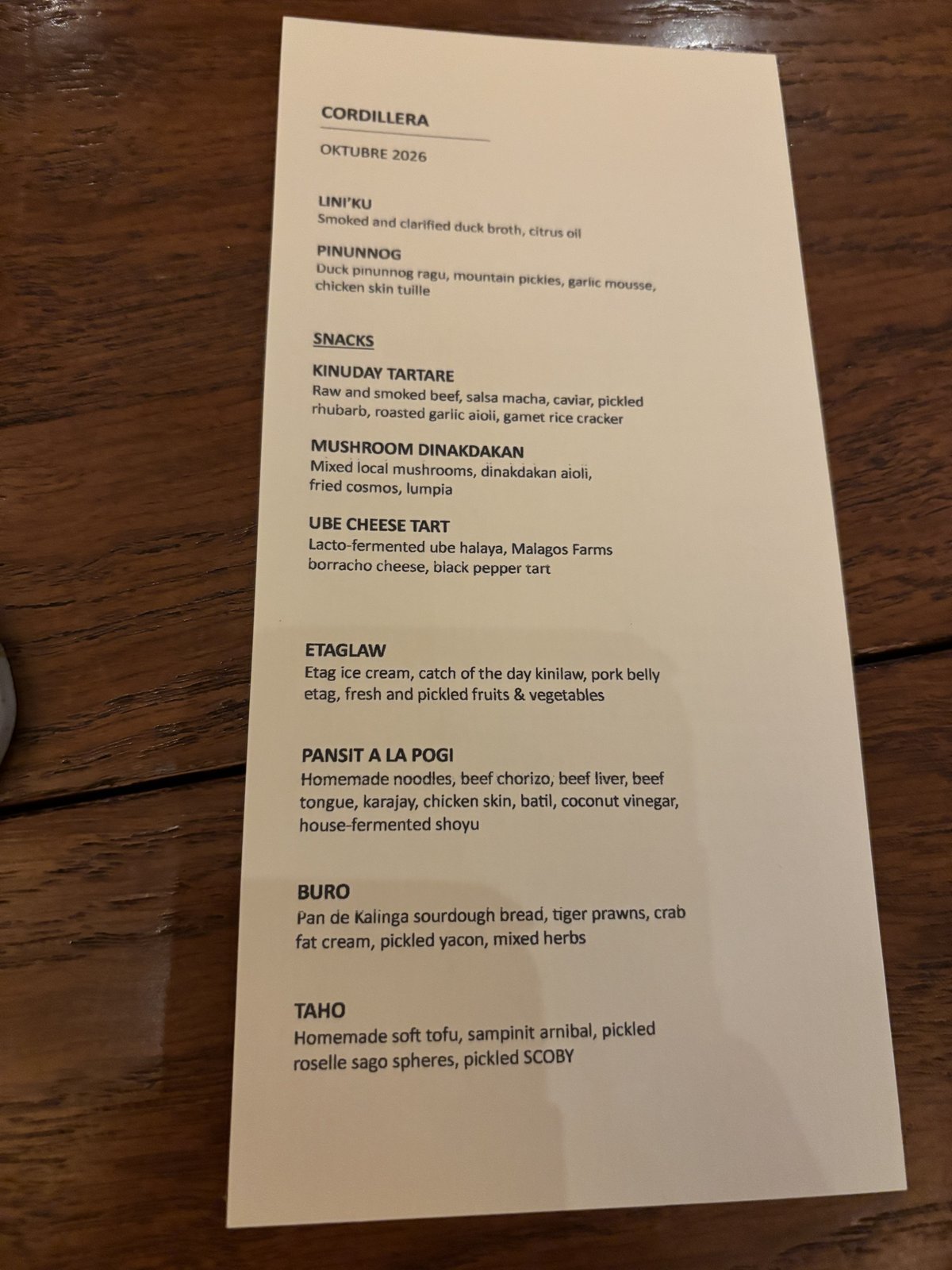
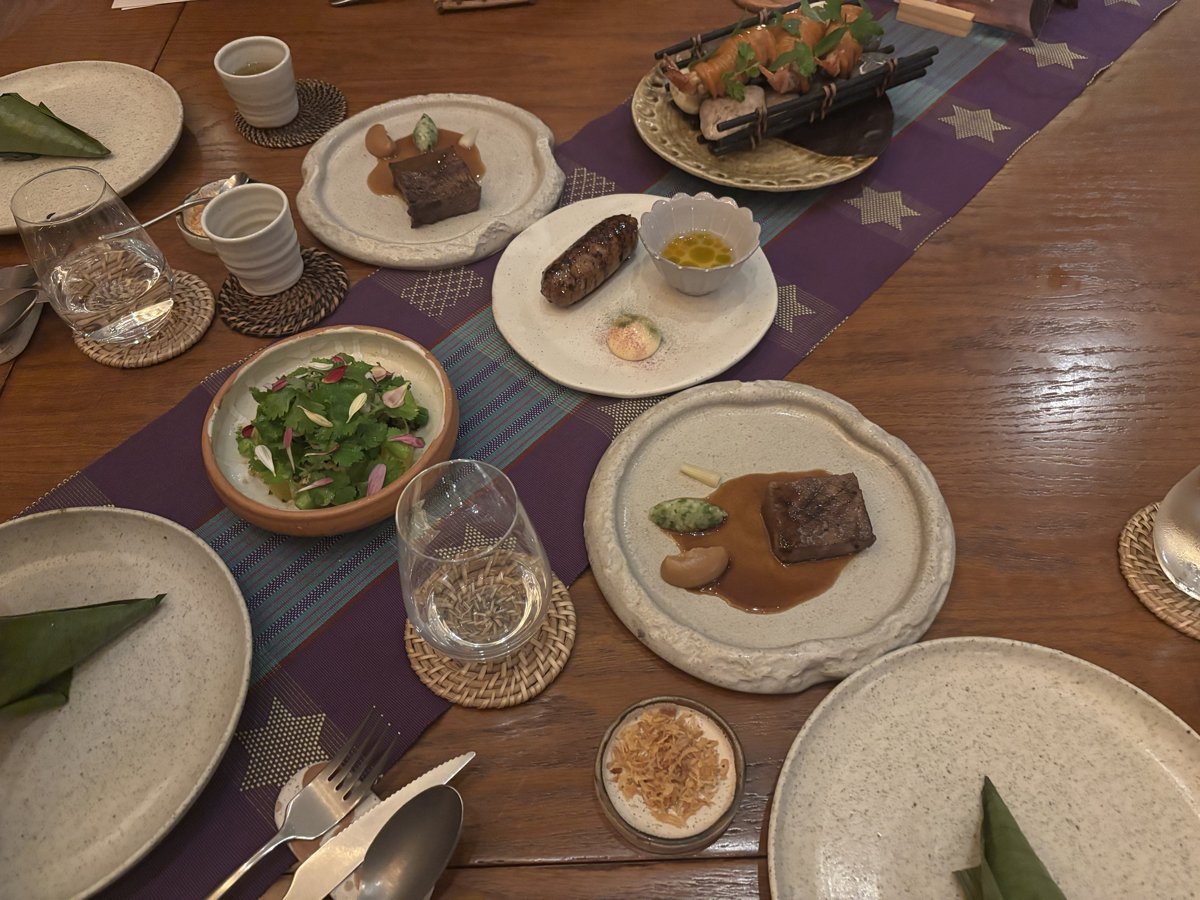
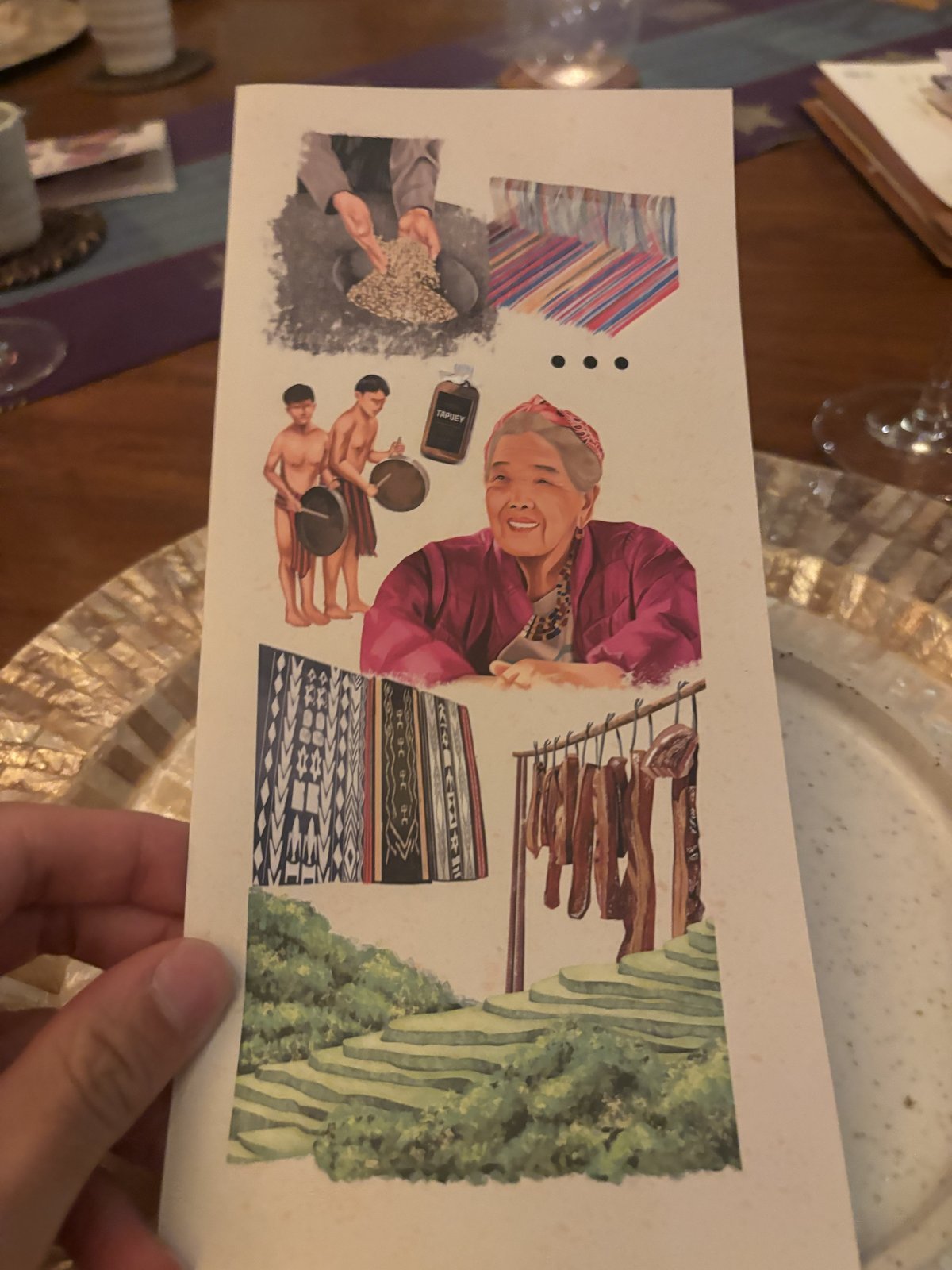
The tasting menu is eight courses, and it changes by region of the Philippines. Mine was the Cordillera menu for October 2026, built around the mountain provinces of northern Luzon: smoking, curing and fermenting, mountain vegetables and heirloom rice.
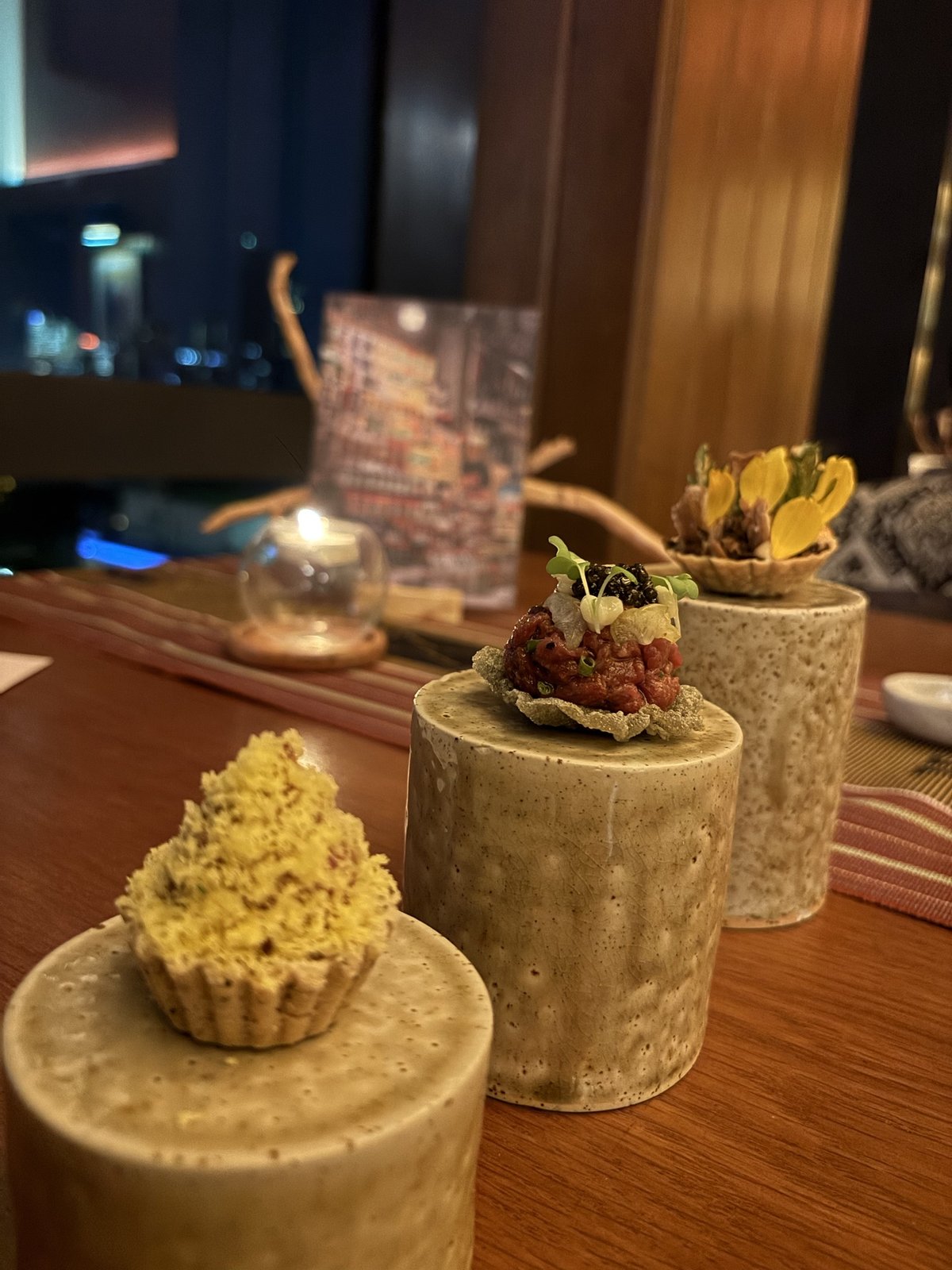
Lini’ku: 9 out of 10. A smoked and clarified duck broth, rich and tasty, a little hot at first. The cracker that comes with it is good too.
Kinuday tartare: 9 out of 10. Raw and smoked beef, using a Cordillera technique for the smokiness. Very smoky, but fresh, especially in the aftertaste.
Ube cheese tart: 8.5 out of 10. Lacto-fermented ube on a black pepper tart.
Mushroom dinakdakan: 7.5 out of 10. Mushrooms with lumpia. Rich, and a little much in one bite.
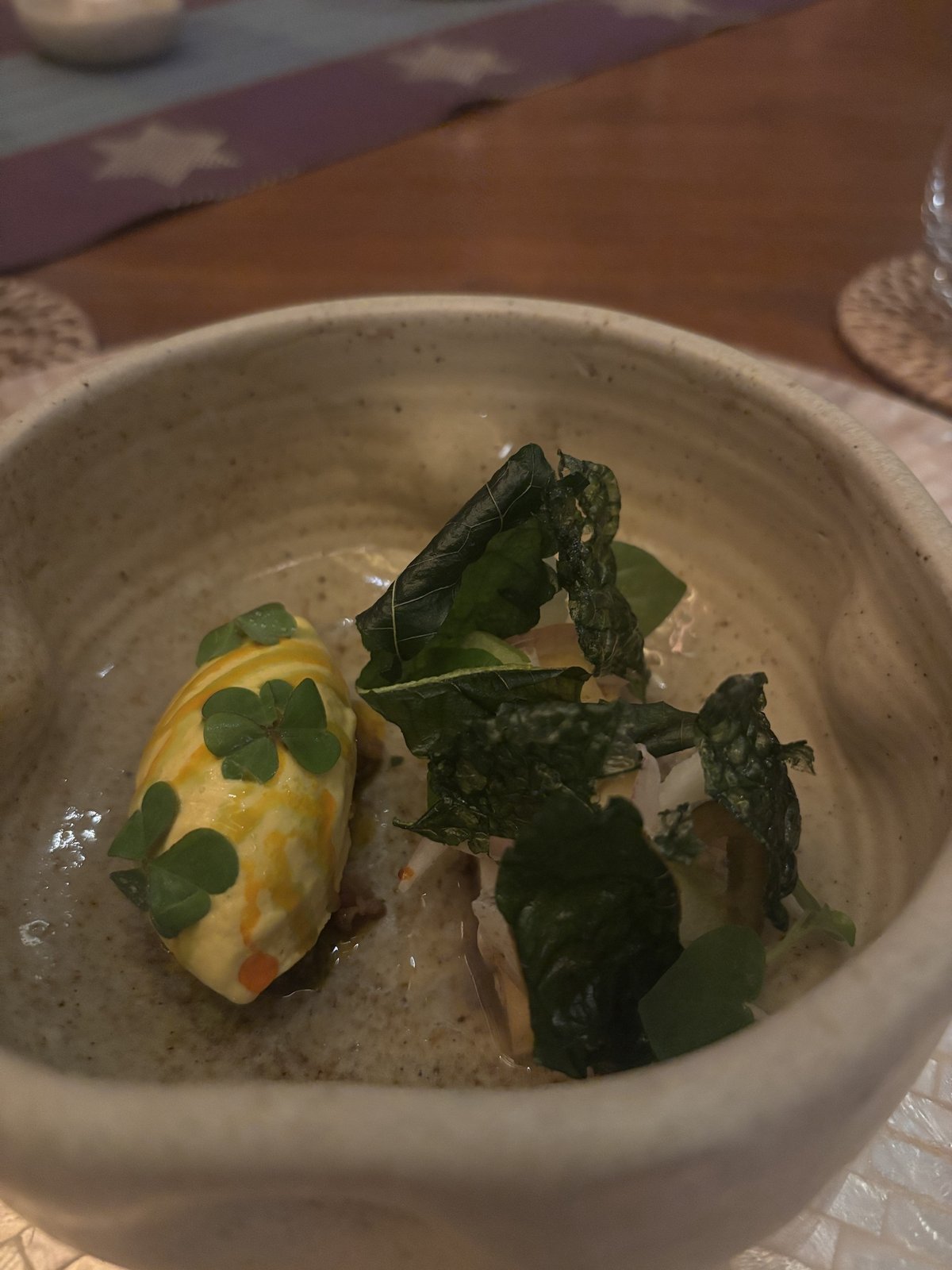
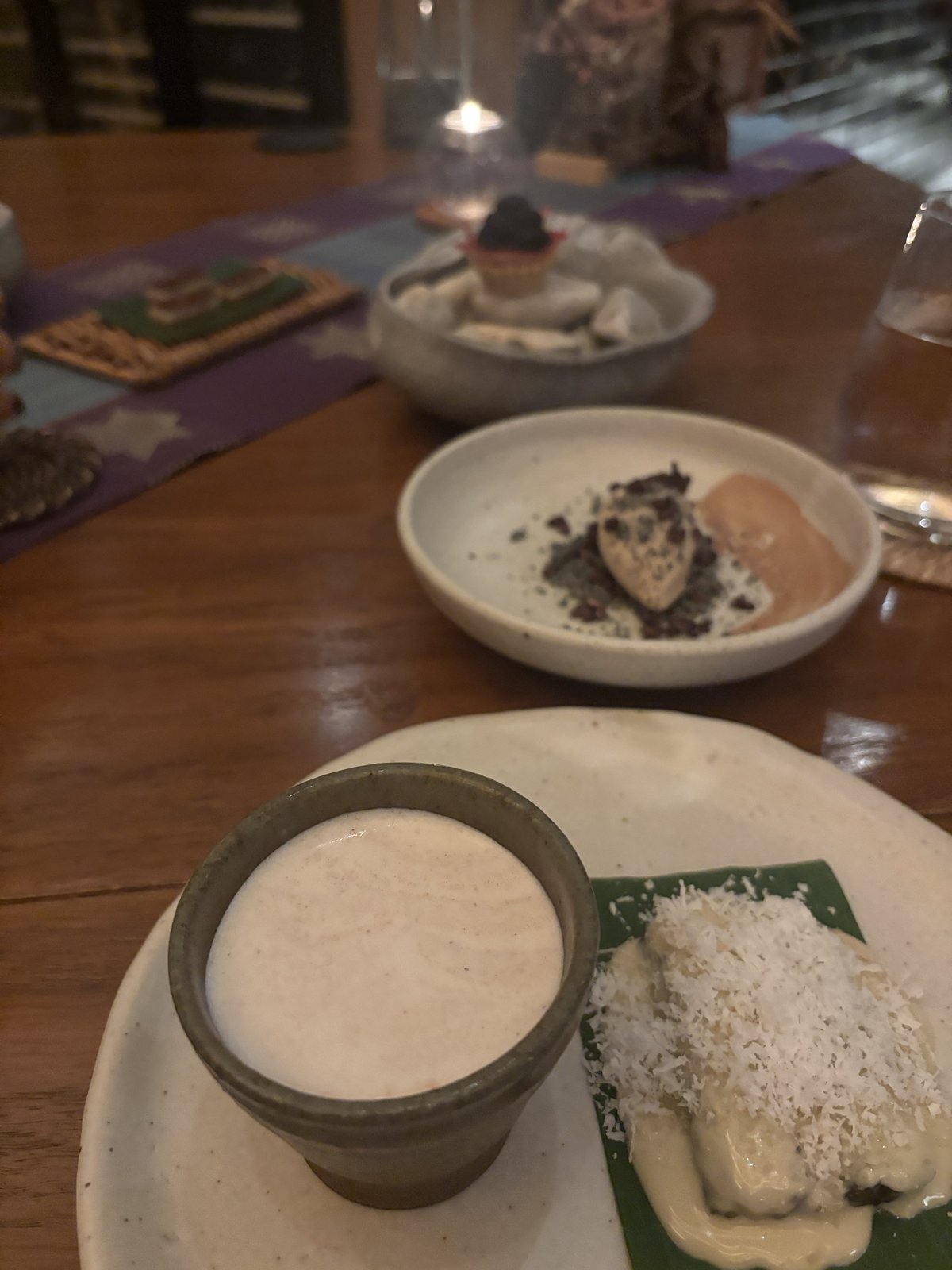
Etaglaw: 9 out of 10. Etag is Cordillera cured and smoked pork. Here it goes into a savory coconut milk ice cream, topped with fried etag that tastes like bacon and adds a bit of spice. The ice cream and the etag pair really well together. Fresh and sweet.
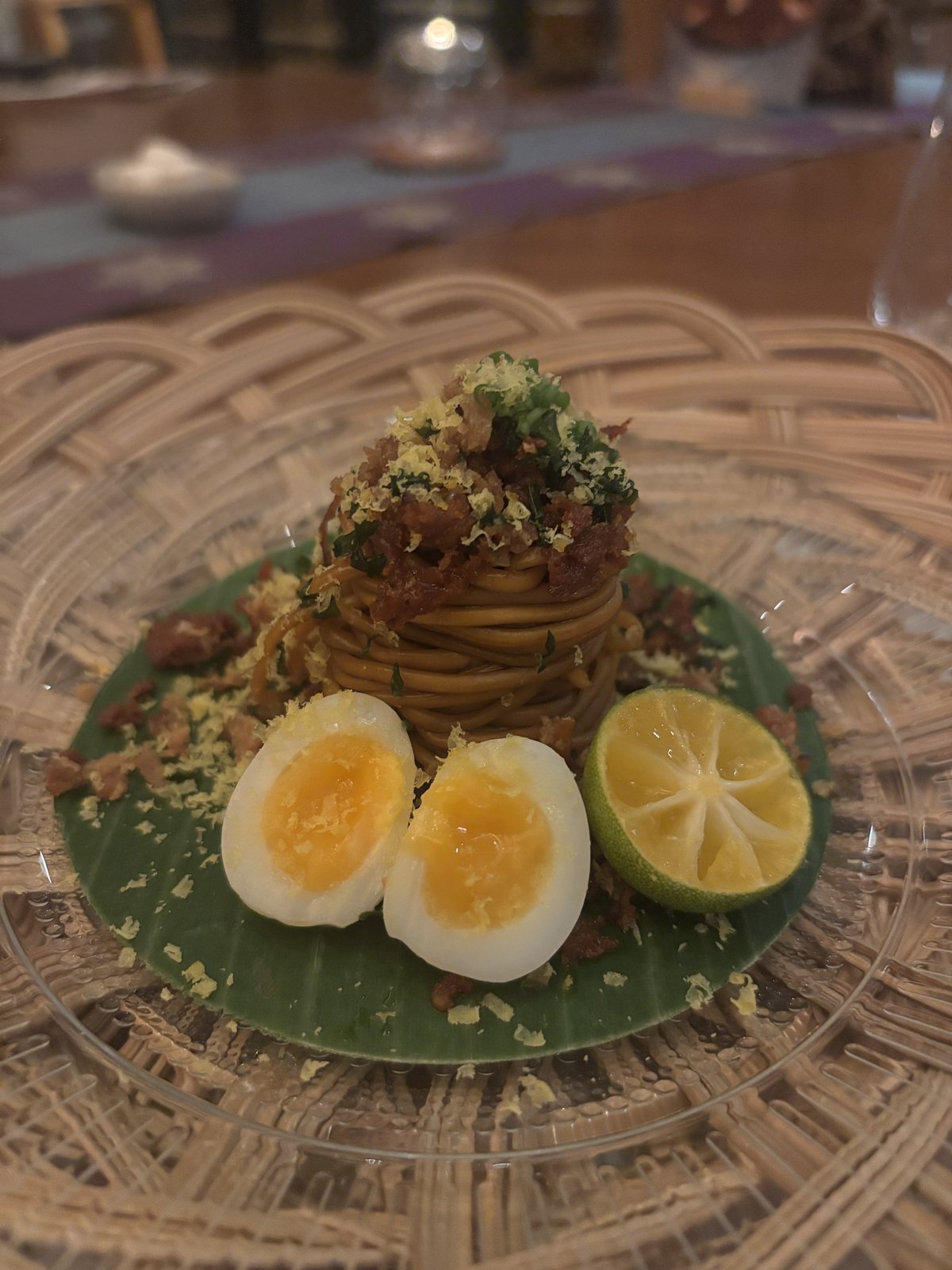
Pansit a la Pogi: 9.5 out of 10. My favorite dish: homemade noodles and condiments, with a tiny bit of spice and a homey feel.
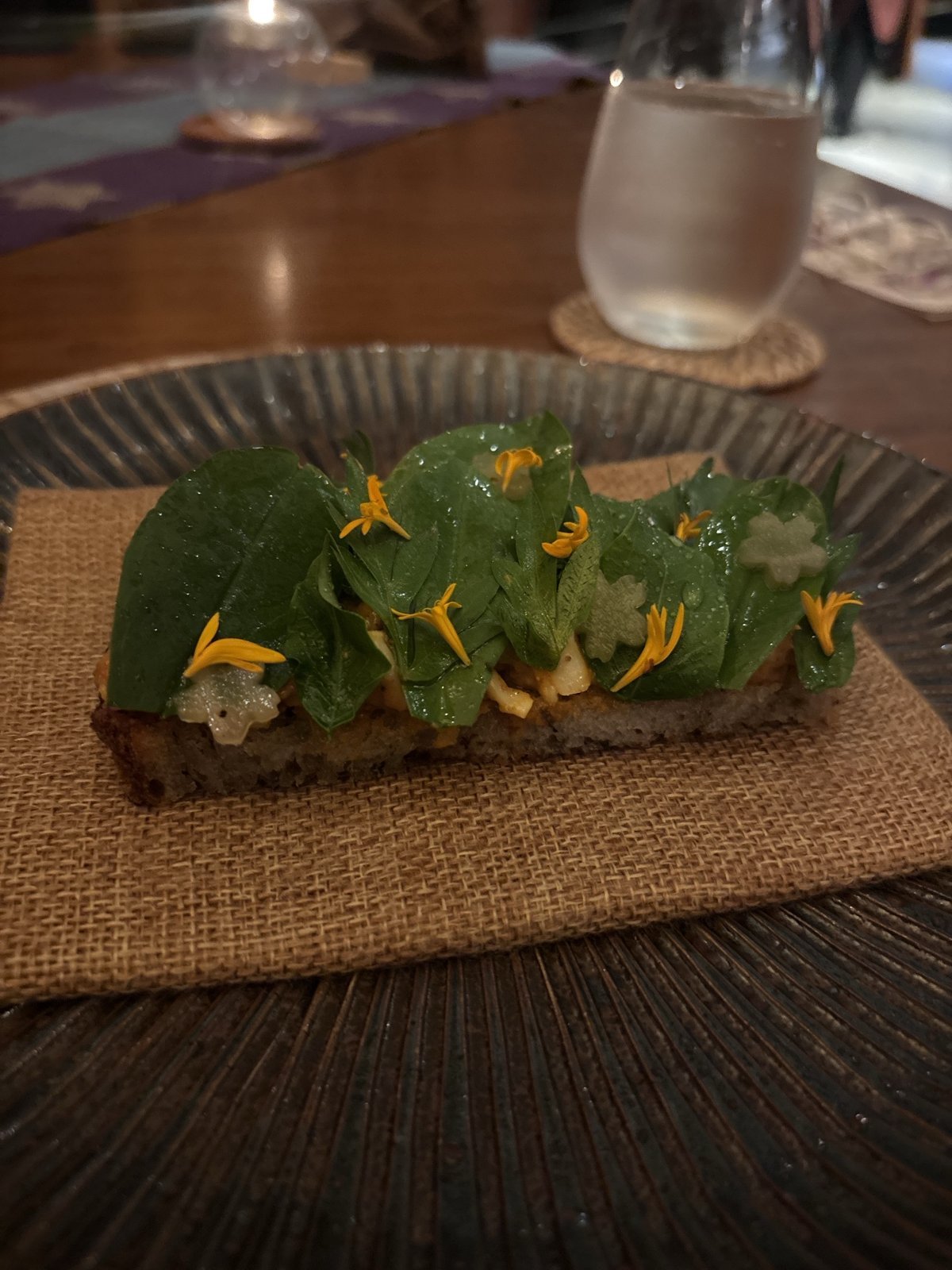
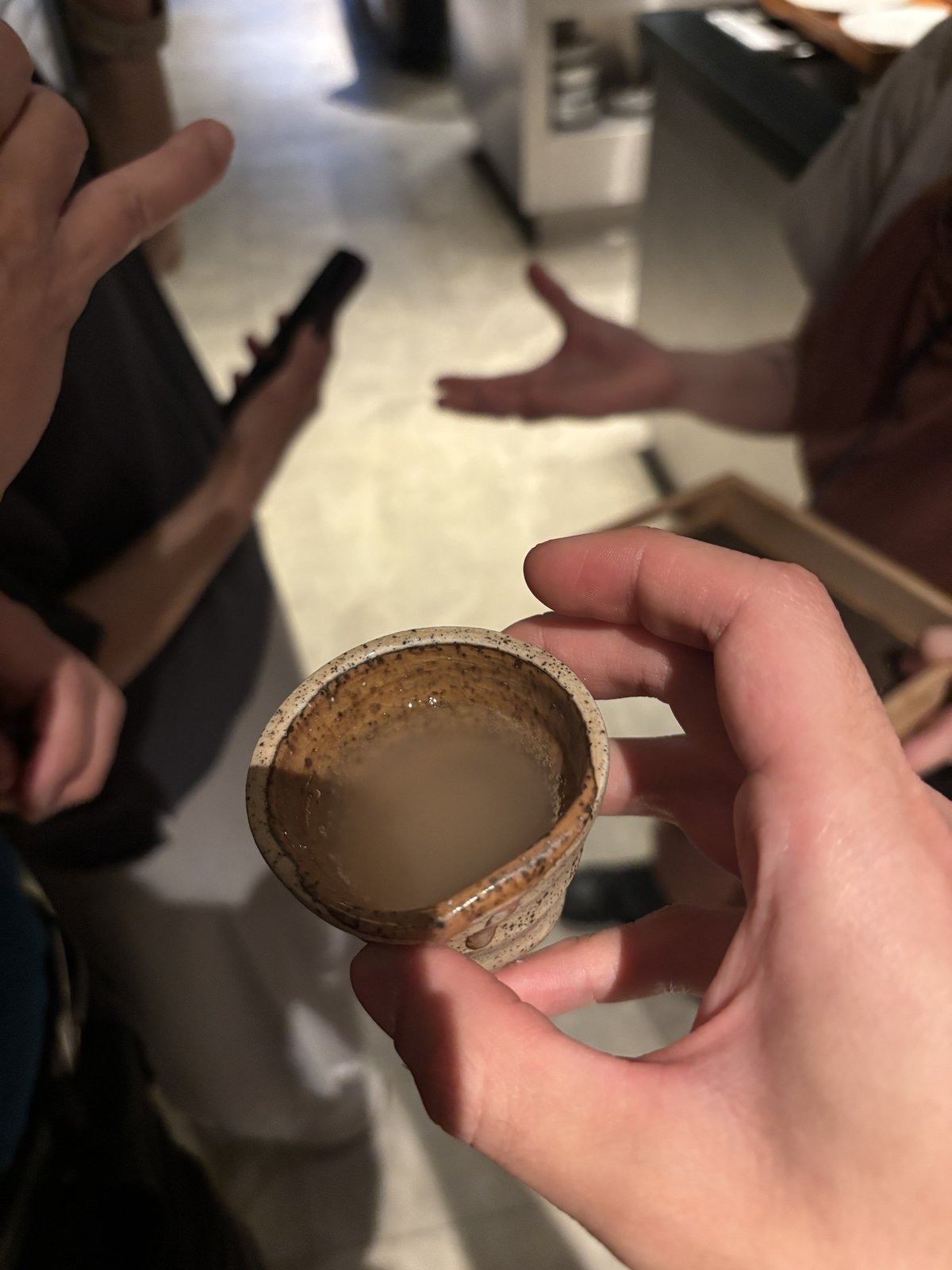
Buro: 7 out of 10. Buro is a Cordillera condiment of fermented fish, seafood and rice, and they use it as the starter for their sourdough, served with edible herbs on top. It’s just not really my style; a little heavy.
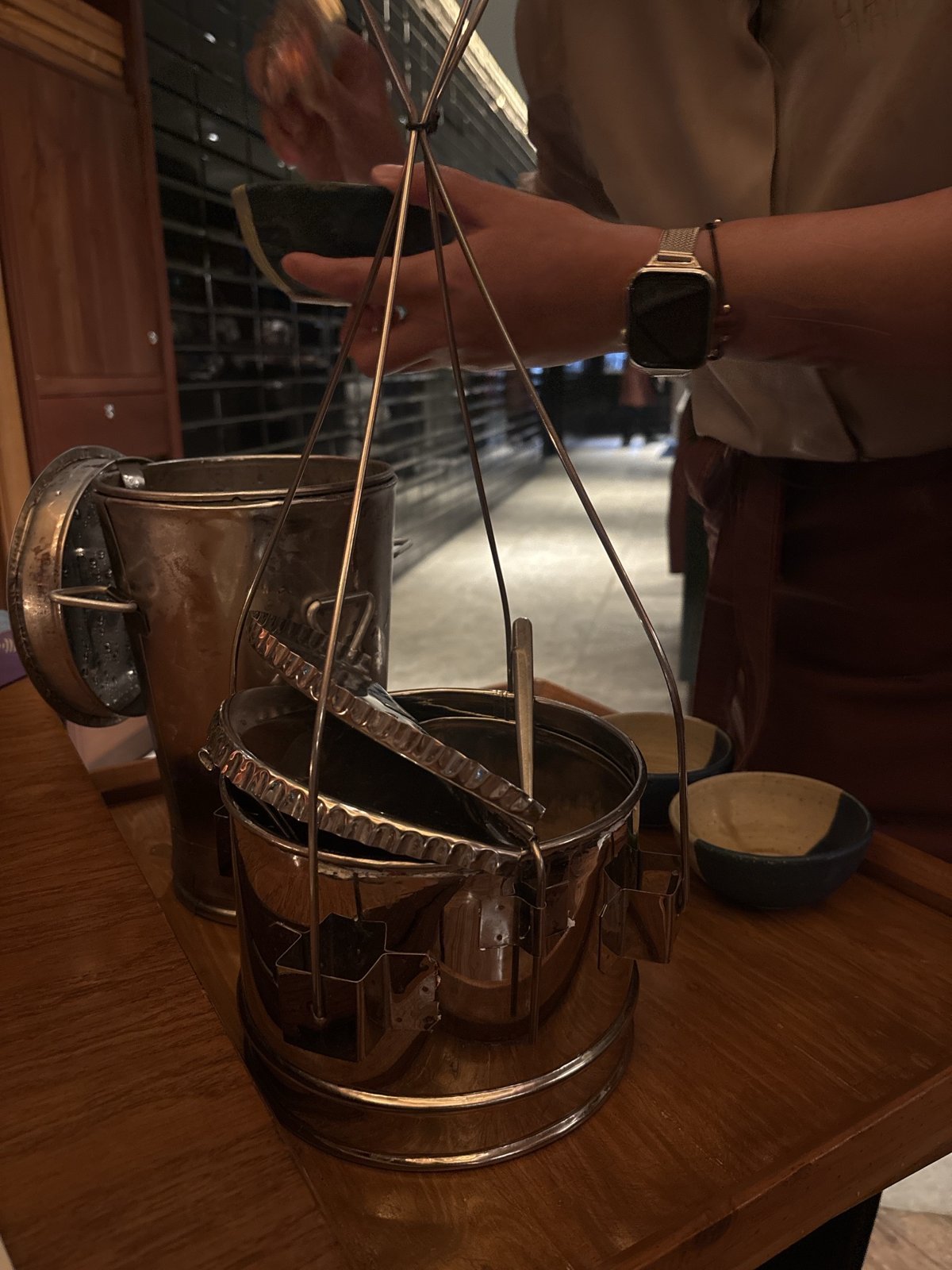
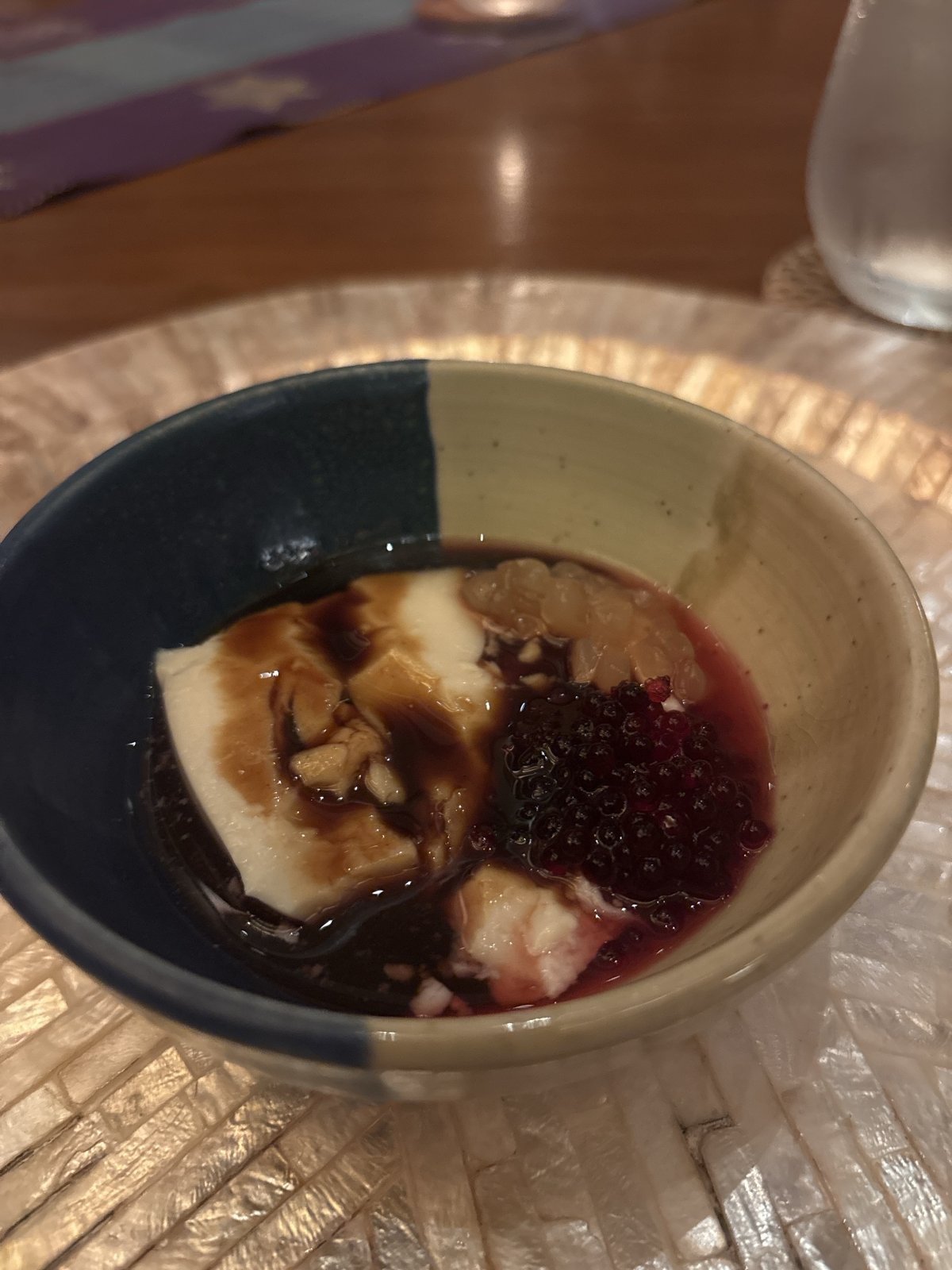
Taho: 7.5 out of 10. A palate cleanser of homemade silky tofu, served from traditional taho vendor pots, a fun touch.
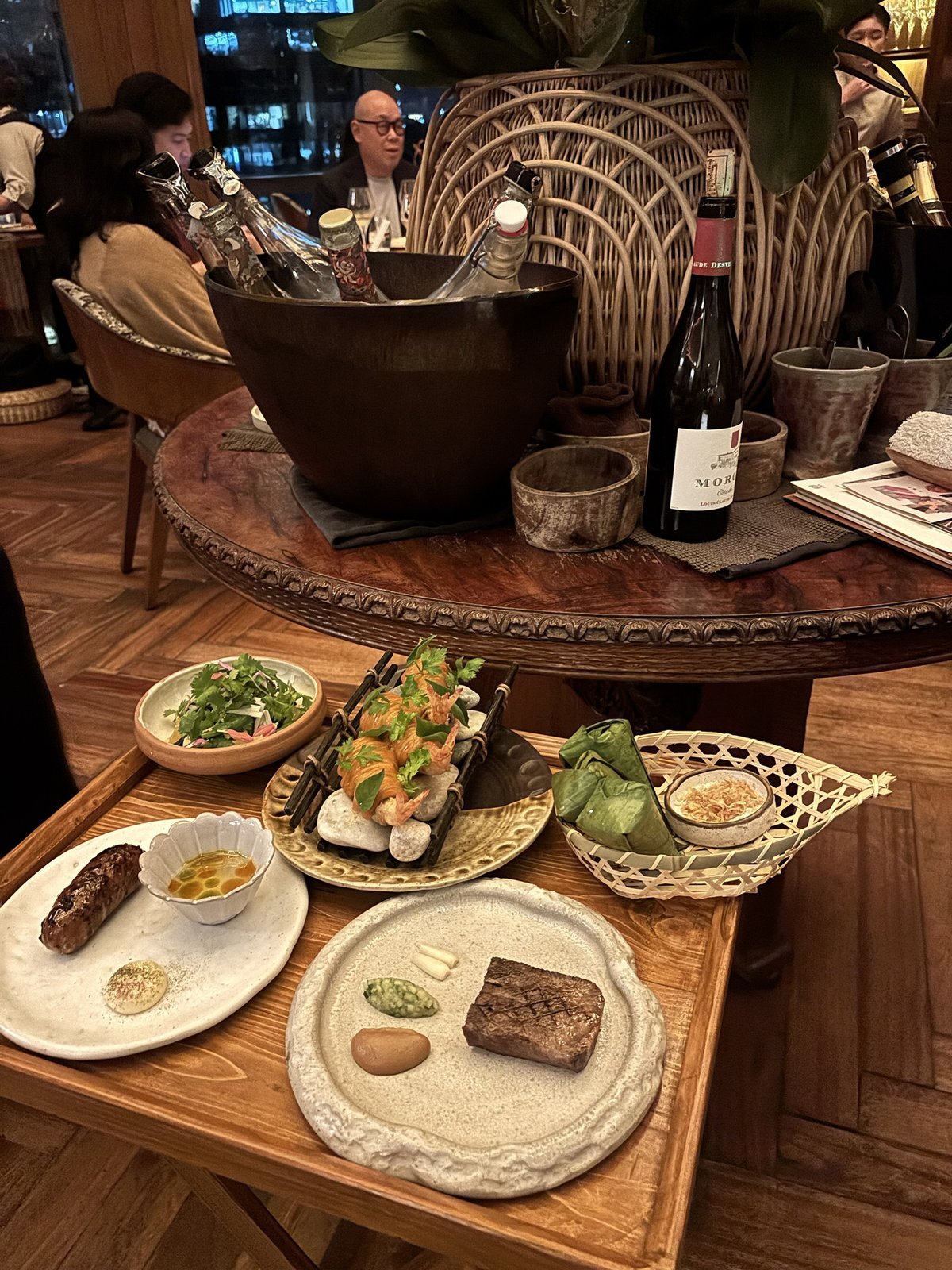
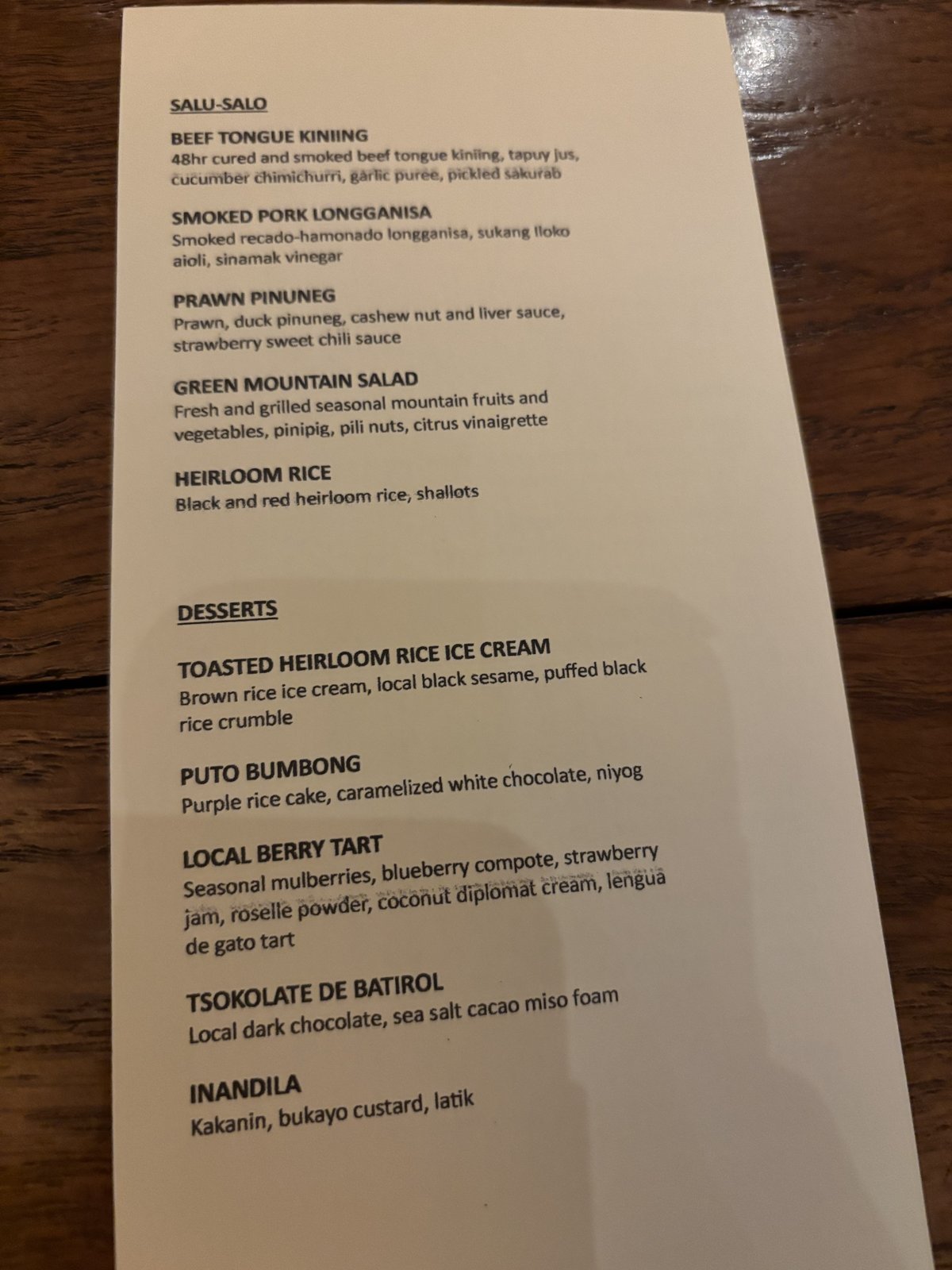
The mains, called the salu-salo, come out together to share:
- Smoked pork longganisa: 9.5 out of 10. Smoked, then caramelized with sugar and vinegar. Excellent.
- Beef tongue kiniing: 8 out of 10. I didn’t realize it was tongue until I read the menu afterward.
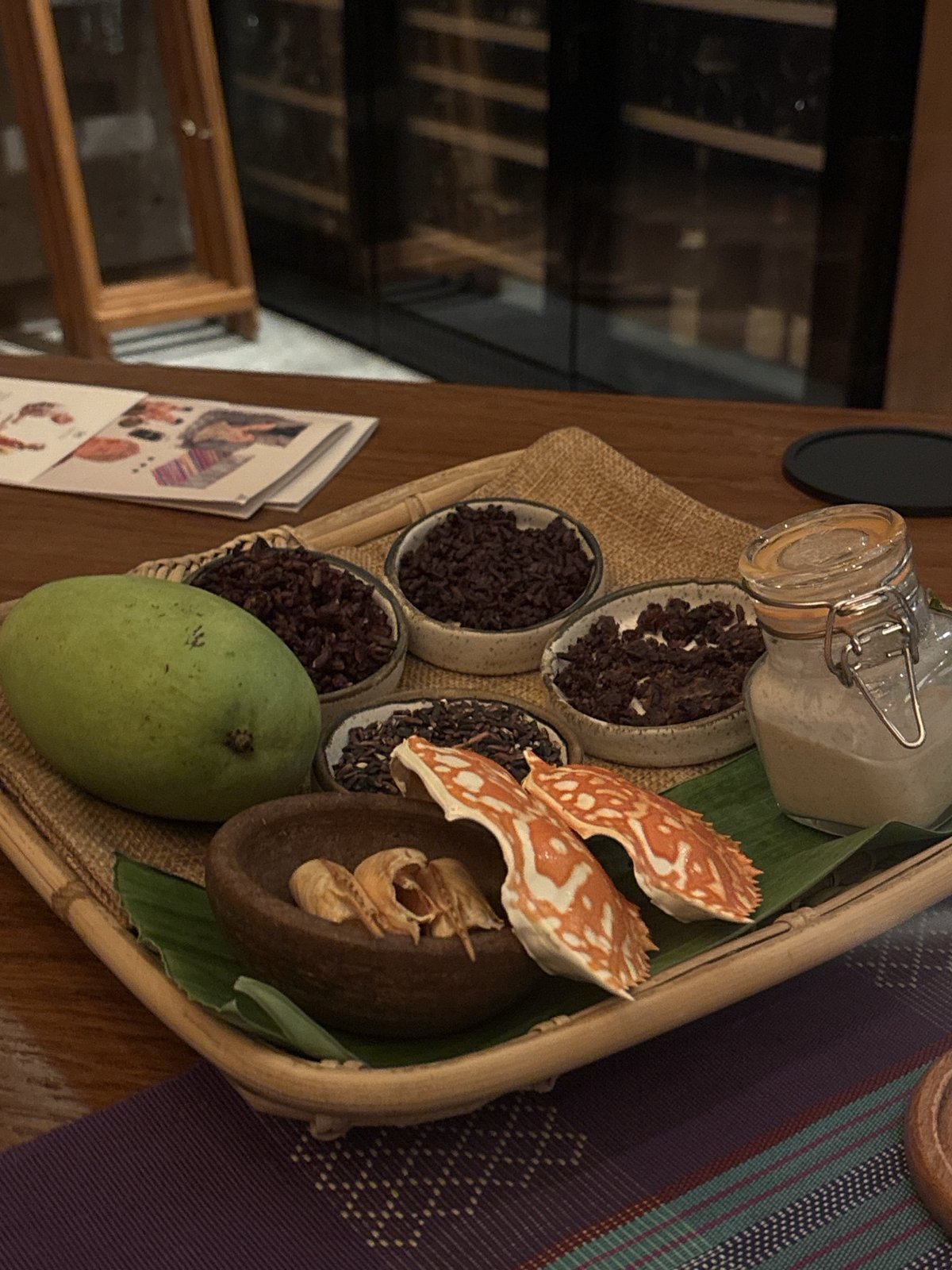
- Heirloom rice: 7 out of 10. Black and red rice; it could use a little more flavor.
- There was also a green mountain salad and a prawn dish, which I didn’t try.
Desserts. The puto bumbong, a purple rice cake with caramelized white chocolate, is an 8. So is the local berry tart; the strawberries could be a little sweeter, but they’re from Baguio, which is nice to see.
The best dishes are some of the best Filipino food I’ve had, and only a few courses fell short.
Service: 10 out of 10
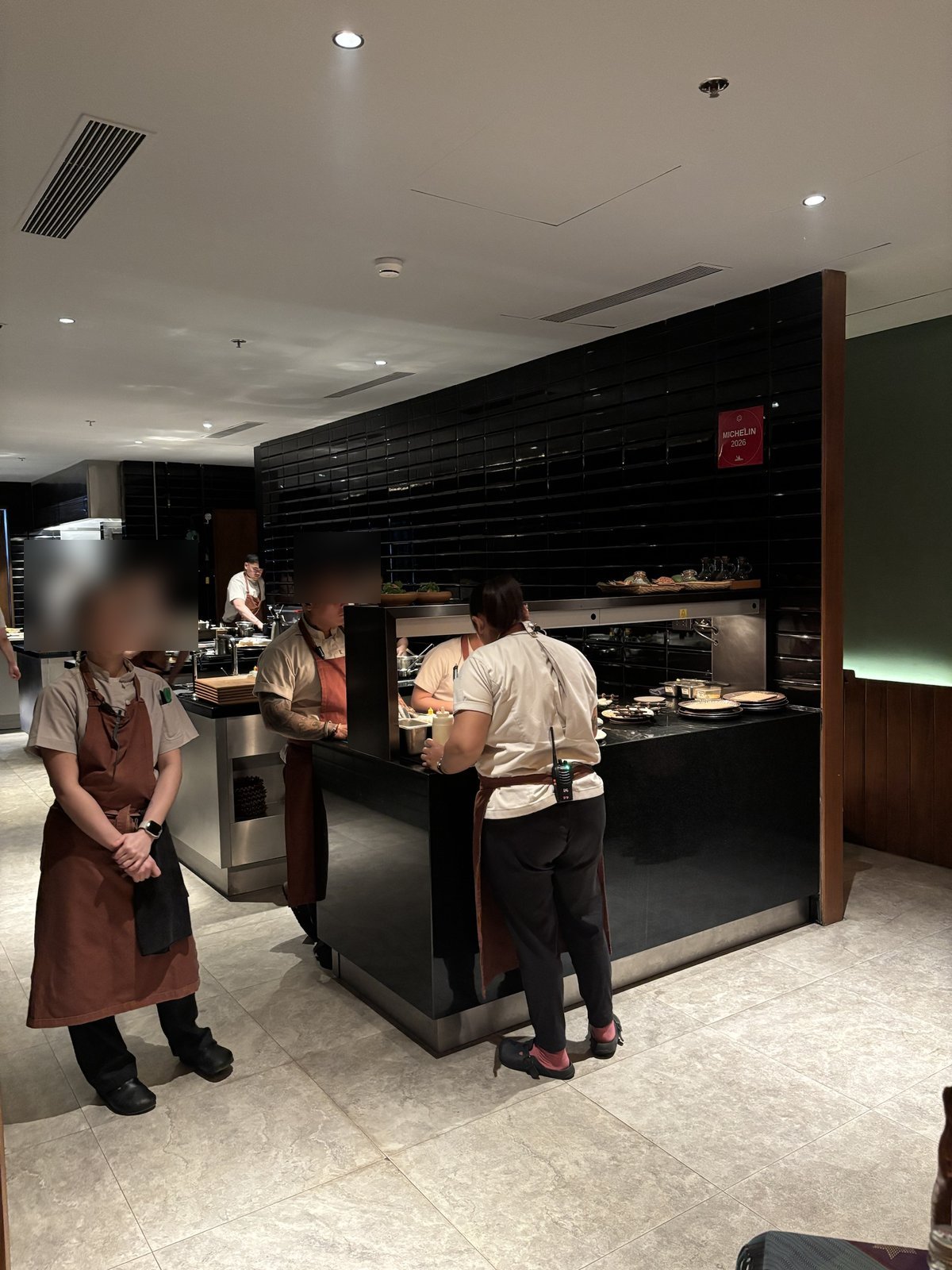
The best service I’ve had in Manila. It combines attentiveness with warmth and silence: you never have to wait, and you’re always being quietly taken care of, yet the staff are warm and very knowledgeable.
They tell you the inspiration behind each dish, with photos of the real trips that inspired it, like the ones to Baguio, so the meal feels like a story. As the executive sous chef left for the night, he came by to say goodbye and ask how the food was.
They were also completely flexible with timing. Our reservation was for 6:30, and I moved it to 7. My parents arrived closer to 7:20, and I didn’t get there until 8. Not once was there any complaint; they accommodated everything. The service is truly exceptional.
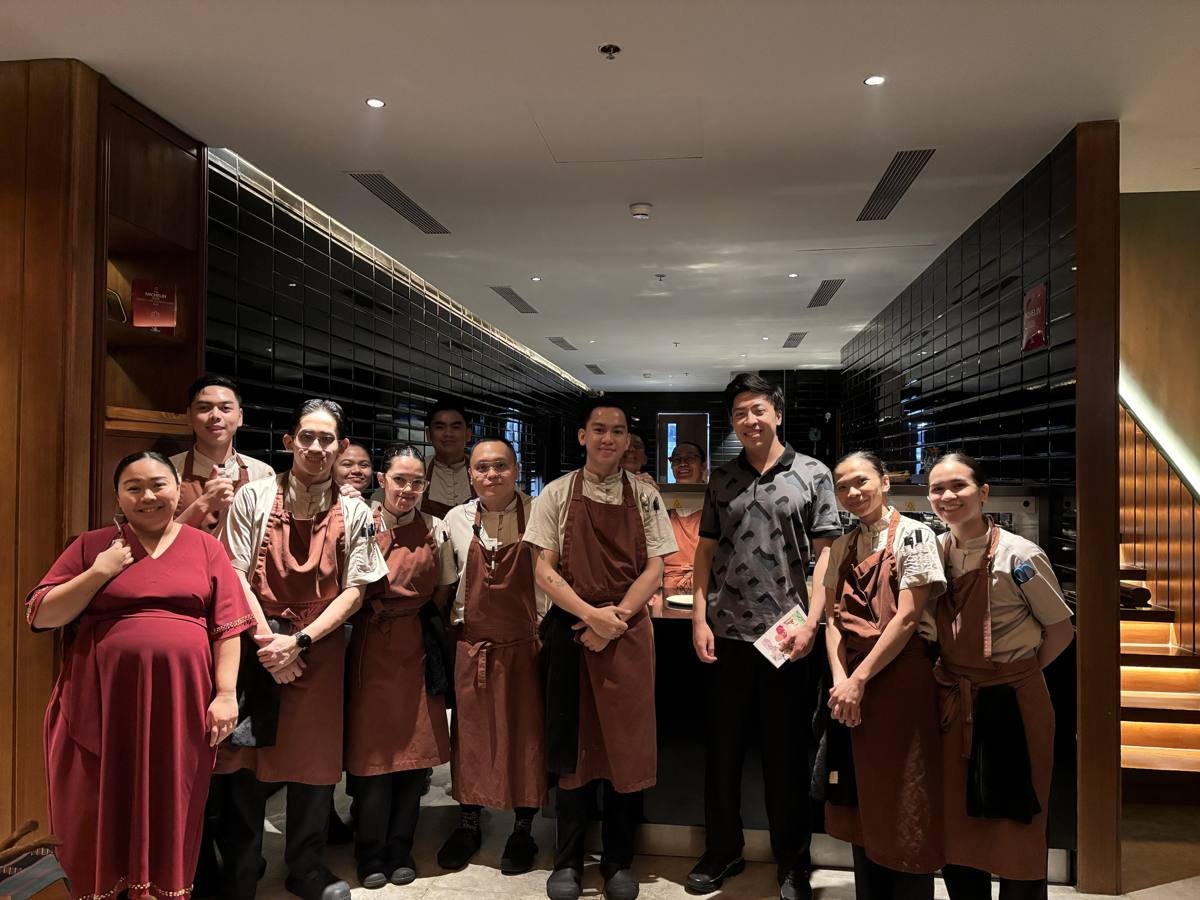
My first visit was just as good. I asked for a photo with the chef, and the whole team came out for a group photo.
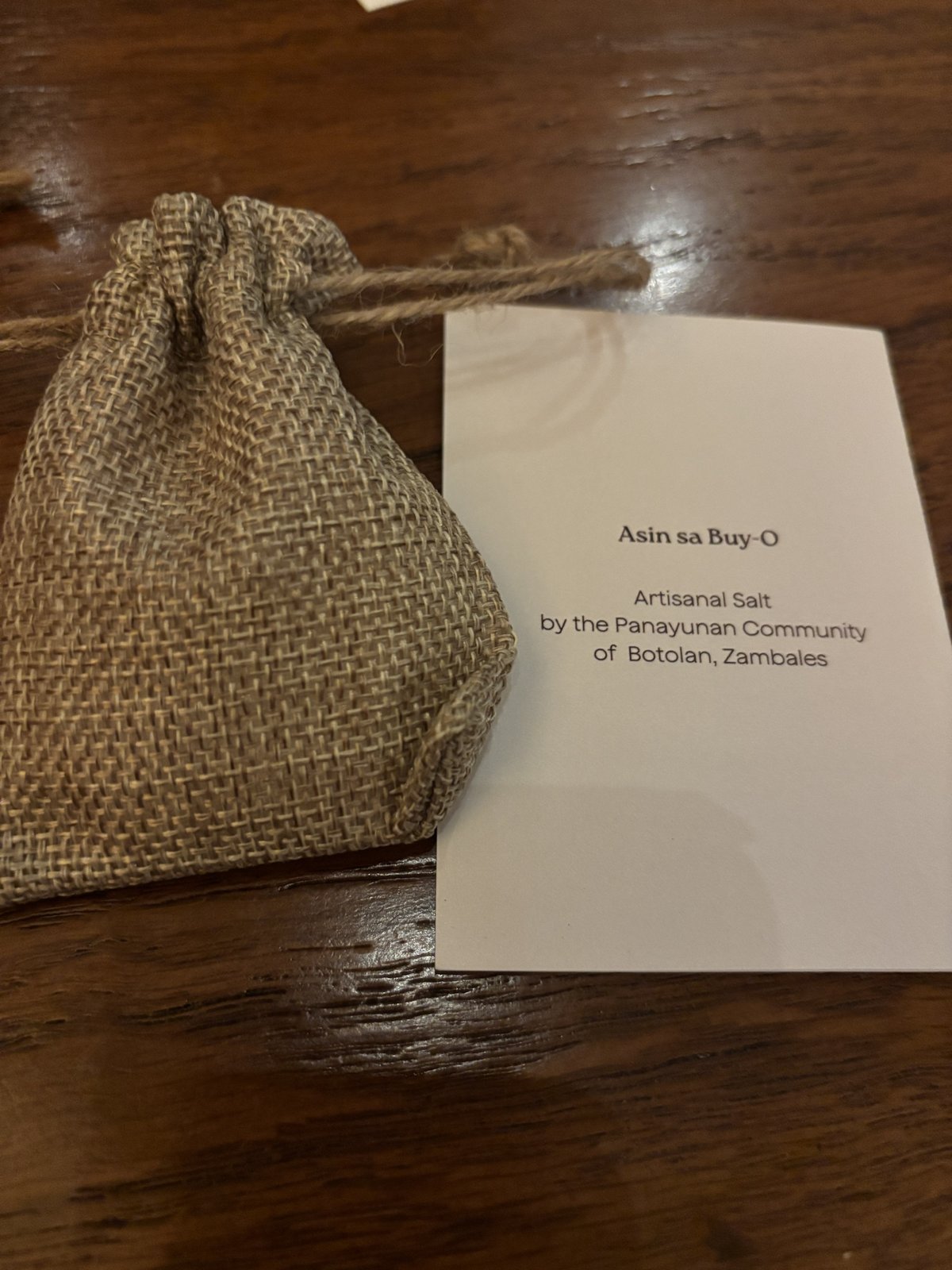
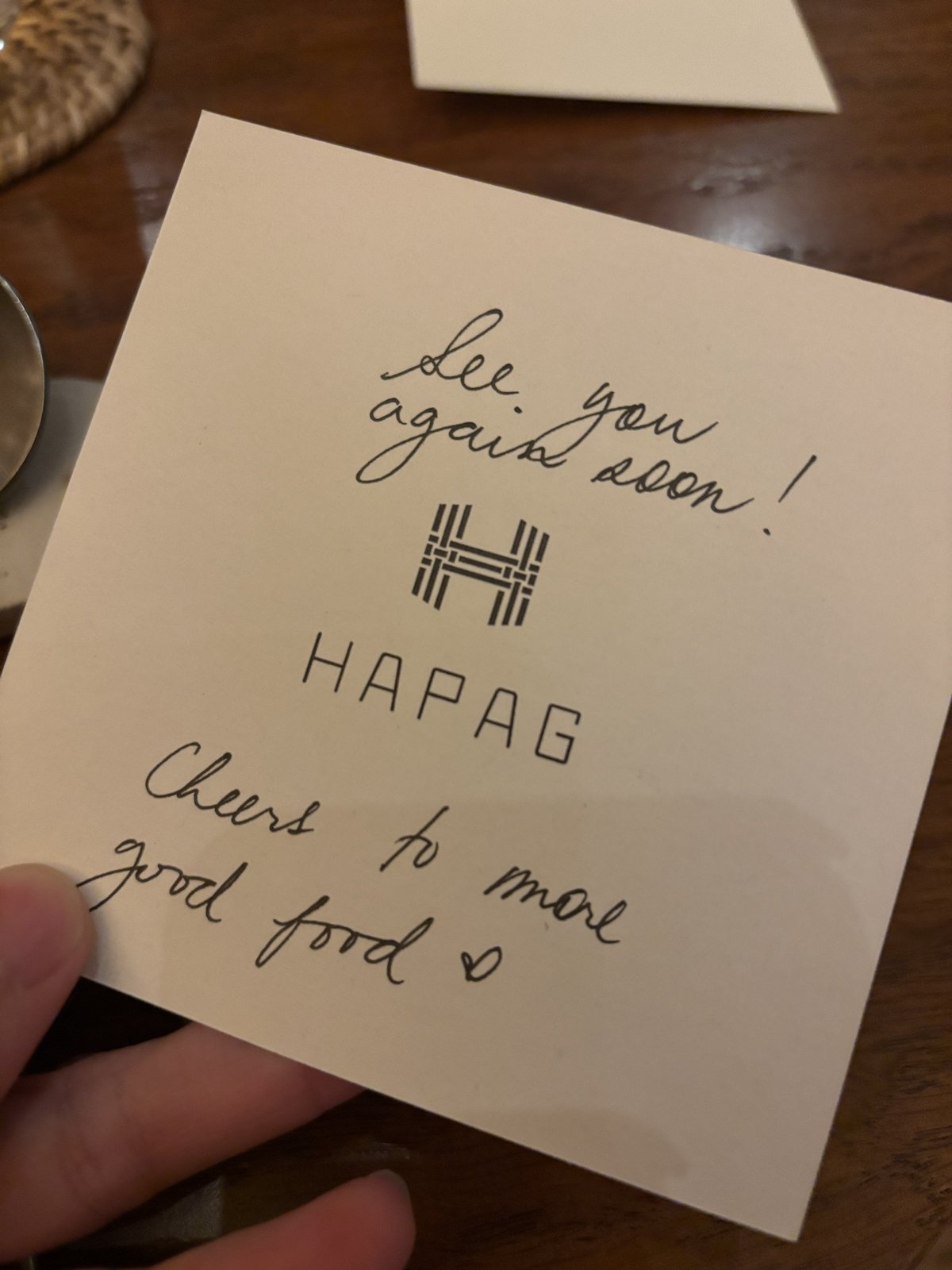
At the end, they gave us a handwritten card and a small bag of artisanal salt from a community in Zambales.
What it cost
Dinner for three, with the tasting menu and no drinks or pairings, came to ₱25,803.57, about ₱8,600 ($134) a person. That’s the ₱12,000 deposit you pay to make the reservation, plus ₱13,803.57 on the night. The deposit is pretty normal among the Michelin restaurants in the Philippines, but it’s something to be aware of when you book.
Value: 8 out of 10
I think it’s a good value. It’s a Michelin-star restaurant, and about $134 a person gets you eight courses of a decent size. Several are a mix: the salu-salo is five shared mains, and dessert is several different desserts, so it’s actually bigger than most tasting menus. And you get the setting on top of that.
It is at the higher end of the Michelin restaurants in Manila, though. As of late 2025, according to PhilSTAR L!fe, Kasa Palma’s tasting menus ran about ₱6,500 to ₱8,500 a person, and its setting isn’t as good, since it’s in Poblacion. Gallery by Chele’s ten-course menu was about ₱6,500, and Asador Alfonso’s about ₱12,000 for two, though it’s quite far away. Prices change, so check before you book.
Vs. China Blue and Mirèio
China Blue and Mirèio are both great values at lunch, at about ₱1,700 to ₱1,900 a person. Hapag costs more than four times as much, but it’s a different kind of meal: a full tasting menu that tells the story of a region of the Philippines.
Who it’s for
Anyone looking for a special dinner, with a stunning setting, top service and Filipino food that feels authentic yet elevated. I’d recommend it.
Tips if you go
- Go in through the Balmori entrance of Power Plant and take the elevator to 7.
- Leave time to walk around Power Plant before or after.
- Ask about the artwork when you arrive; the tour is worth it.
- If you can, walk around the garden by Ayà, where they grow produce for both restaurants.
- Book ahead; it’s closed on Mondays, and there’s a ₱12,000 deposit to reserve.
- Check which region the menu is on; it changes.
Verdict: 9.5 out of 10
My favorite restaurant in Manila so far: a beautiful room, the best service in the city, and excellent Filipino food, told as a story about the Cordillera. A few courses were weaker, but the best ones were as good as it gets. Would I go back? Yes. This restaurant is in my Where to Eat in Manila guide, with all fourteen ranked and matched to occasions.
FAQ
Where is Hapag?
On the 7th floor of the Balmori in Rockwell, Makati, at Power Plant Mall. Go in through the Balmori entrance and take the elevator to 7.
Does Hapag have a Michelin star?
Yes, one star in the Michelin Guide Philippines.
How much does Hapag cost?
Our eight-course tasting menu for three, with no drinks, came to ₱25,803.57, about ₱8,600 ($134) a person, including the ₱12,000 deposit to reserve.
What are Hapag’s hours?
Dinner is 6 to 10 p.m., Tuesday to Sunday, with lunch from 11 a.m. to 2 p.m., Thursday to Sunday. It’s closed on Mondays. Check the website, hapagmnl.com, to reserve.
What is the menu at Hapag?
An eight-course tasting menu that changes by region of the Philippines. In October 2026, it was the Cordillera menu.
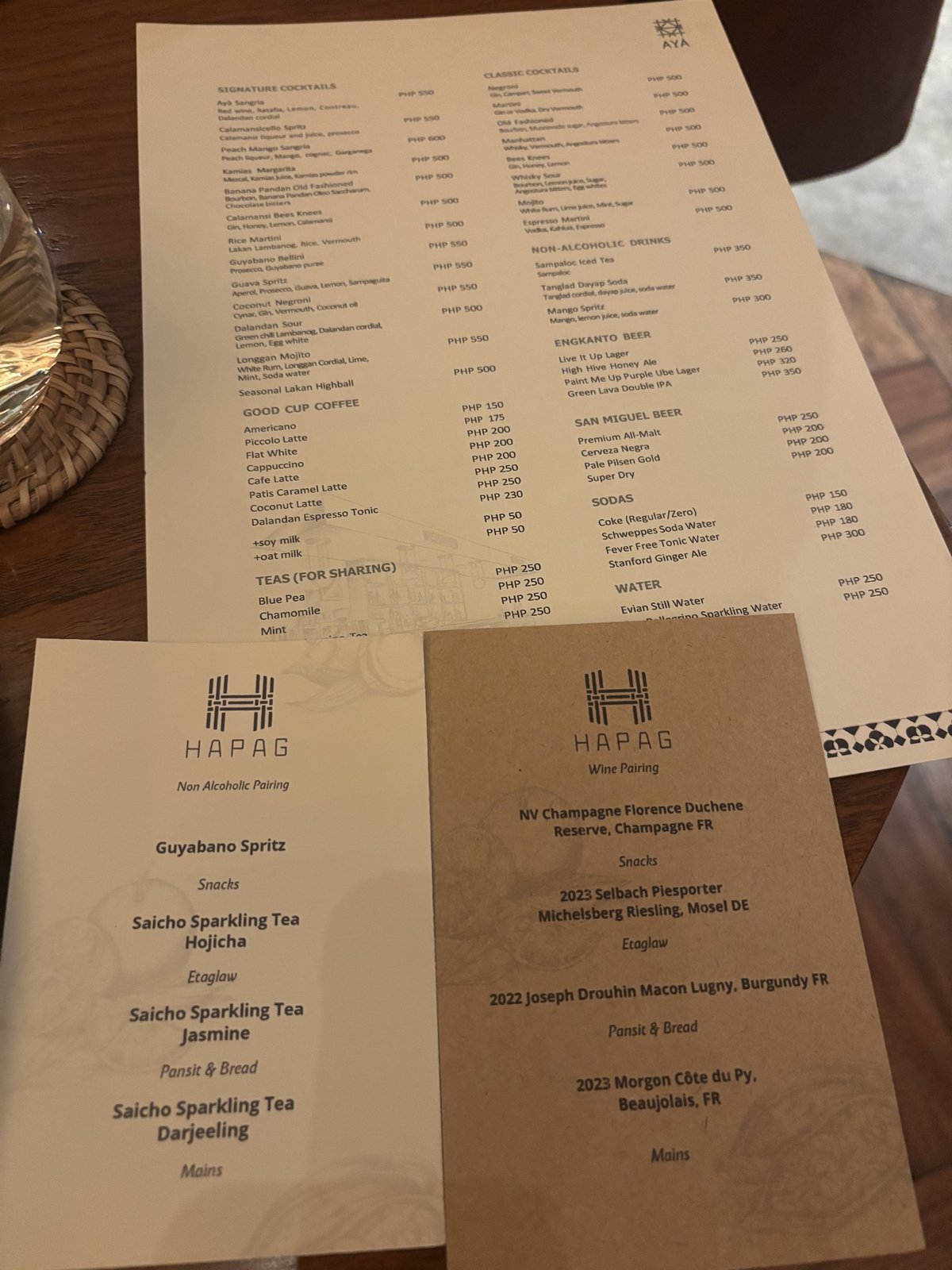
Is there a wine pairing?
Yes, and a non-alcoholic pairing. We didn’t do either.
Where to stay in Manila: 10 luxury hotels, compared
I stayed at ten Manila luxury hotels in ten nights and measured the Wi-Fi, noise and AC in every room. Get the guide and new Manila reviews by email. Or read it now →
Where it is
Open in Google Maps ↗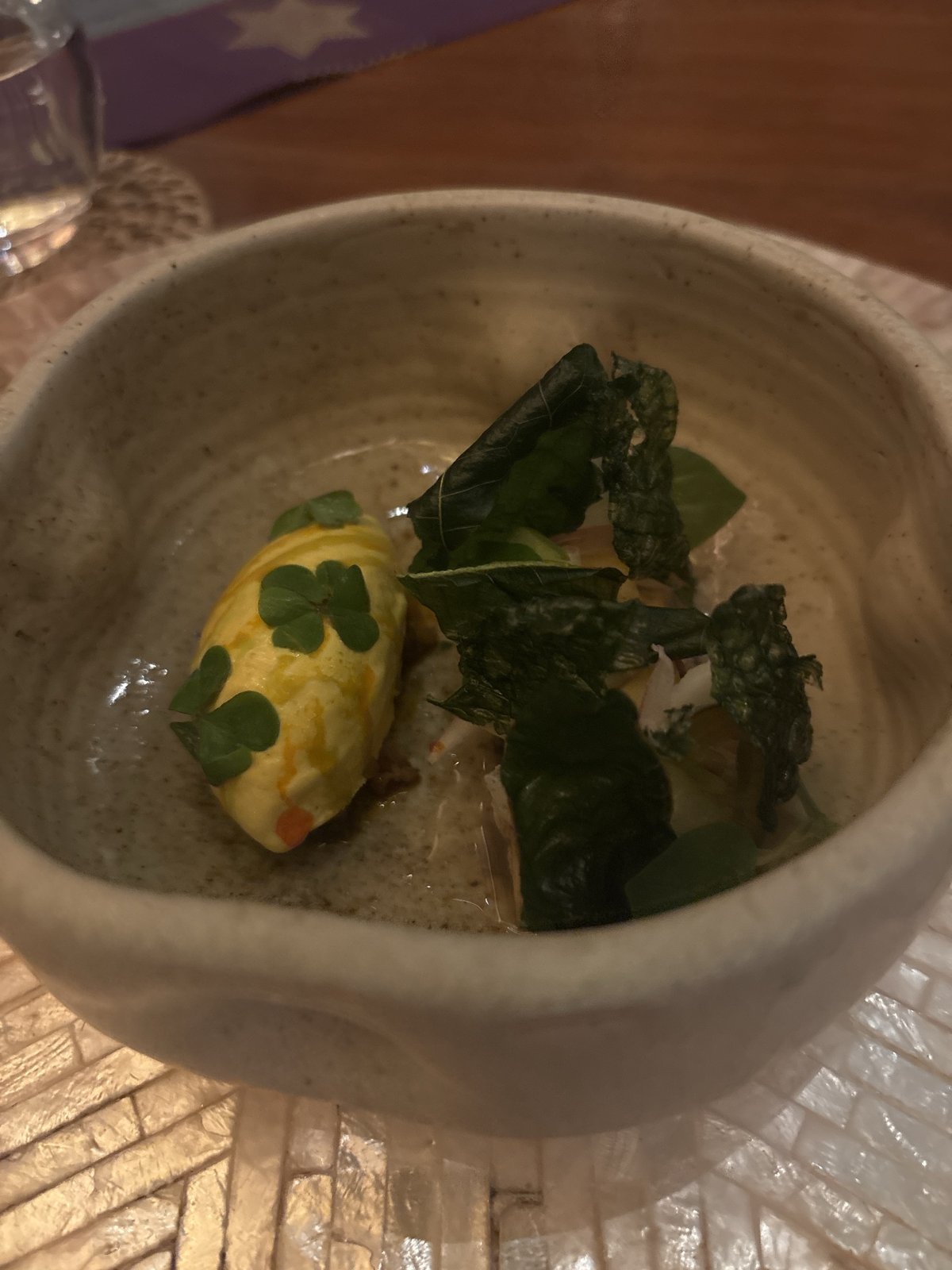
Where to stay in Manila: 10 luxury hotels, compared
I stayed at ten Manila luxury hotels in ten nights and measured the Wi-Fi, noise and AC in every room. Get the guide and new Manila reviews by email. Or read it now →